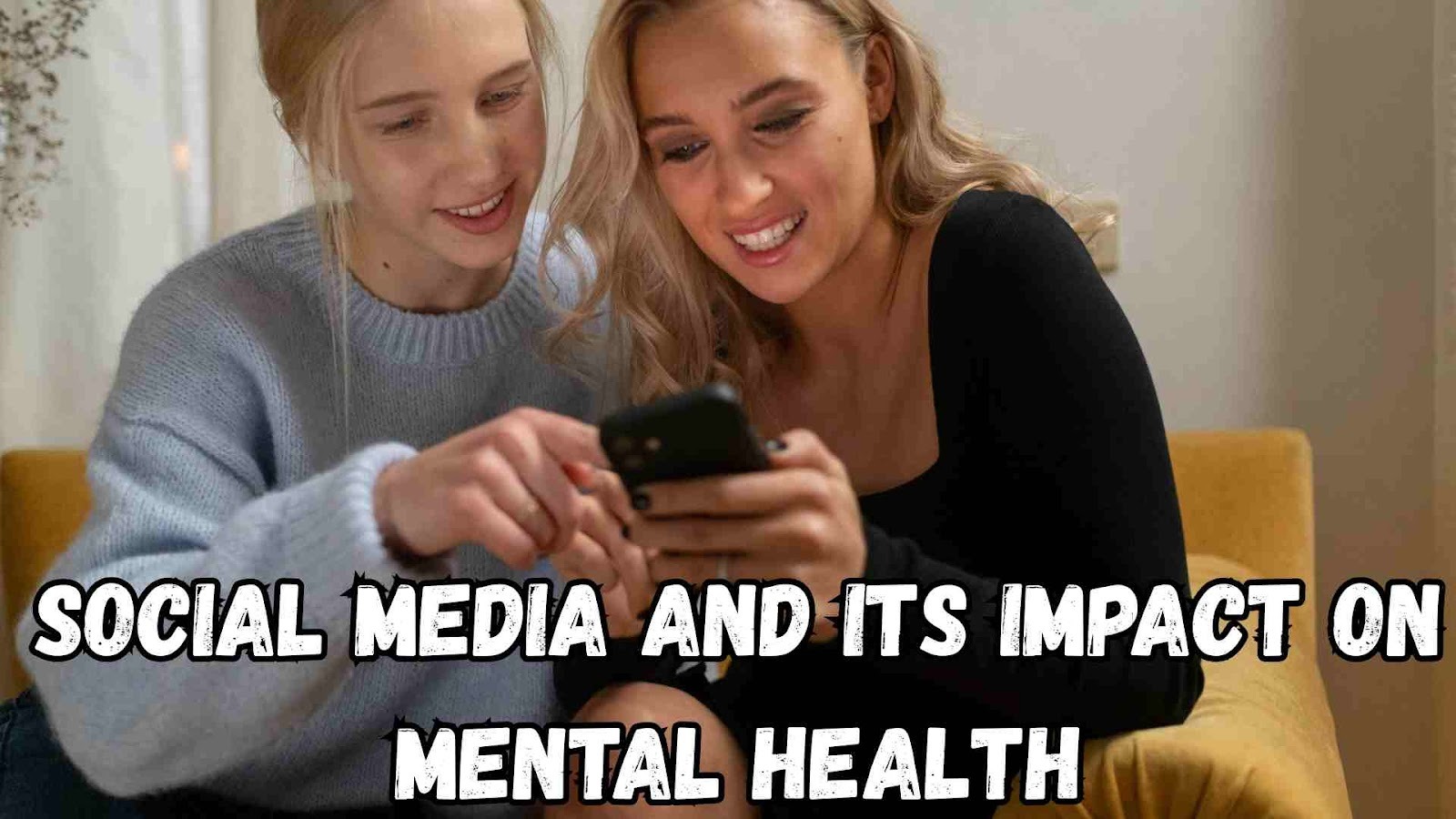
Social media and its impact on mental health has become a growing concern as digital platforms increasingly shape how people think, feel, and connect. From scrolling through curated lives to constant notifications, online spaces influence emotions in subtle yet powerful ways. While these platforms offer opportunities for online communication, self-expression, and staying informed, they can also contribute to anxiety and depression, digital addiction, and low self-esteem if not used mindfully.
This article explores both the positive and negative effects of social platforms, highlighting how daily habits, comparisons, and screen time affect emotional well-being. It also discusses the role of cyberbullying effects and the importance of building emotional well-being in a digital world. By understanding these influences, readers can learn how to create healthier online behaviors and maintain balance between virtual interactions and real-life mental health.
Understanding Social Media and Its Impact on Mental Health
Definition and Overview
Social media and its impact on mental health refers to how digital platforms influence emotional, psychological, and social well-being. Social networks allow users to share content, communicate instantly, and build virtual communities. While these platforms enhance online communication and access to information, they also shape self-perception, mood, and behavior. The constant exposure to opinions, images, and feedback can affect emotional well-being both positively and negatively, depending on usage patterns.
Background and Evolution
Social media began as simple networking tools but quickly evolved into powerful digital ecosystems. Over time, features like likes, comments, stories, and short videos increased engagement. This evolution intensified screen time effects and changed how people seek validation. As platforms grew, concerns about digital addiction and mental health challenges became more visible, making this topic highly significant today.
Importance of Mental Health in the Digital Age
Why This Topic Matters
The discussion around social media and its impact on mental health matters because billions of people use these platforms daily. Students, professionals, and even children are exposed to constant digital interaction. This widespread use directly affects self-esteem issues, stress levels, and focus. Understanding these effects helps individuals make informed choices and supports healthier digital habits.
Connection to Daily Life
Social media influences daily routines, relationships, and productivity. Notifications can interrupt focus, while comparisons can shape emotions. When managed well, platforms support mental health awareness and connection. When misused, they may increase anxiety and depression and feelings of isolation.
Positive Effects of Social Media on Mental Health
Emotional and Social Benefits
When used intentionally, social media and its impact on mental health can be positive. It allows people to connect with like-minded individuals, share experiences, and access supportive communities. Educational content and awareness campaigns also promote emotional understanding and growth.
Key Advantages
1.Builds online support communities
2.Encourages self-expression and creativity
3.Spreads mental health education
4.Helps maintain long-distance relationships
5.Provides access to helpful resources
These benefits highlight how social platforms can strengthen emotional well-being when balanced properly.
Negative Effects and Challenges
Psychological Drawbacks
Despite benefits, social media and its impact on mental health includes several challenges. Constant comparison to curated content can lead to low self-esteem and dissatisfaction. Negative interactions and cyberbullying effects may increase stress and emotional distress.
Common Mental Health Concerns
Excessive use often leads to unhealthy habits. Users may feel pressure to stay online, resulting in digital addiction and reduced real-life interaction. Over time, this can worsen screen time effects and emotional fatigue.
Major Challenges
1.Increased anxiety from constant comparison
2.Risk of online harassment
3.Sleep disruption due to excessive screen use
4.Reduced attention span
5.Emotional dependence on validation
How Social Media Influences Mental Health
Mechanisms Behind the Impact
Social media and its impact on mental health works through psychological triggers such as likes, shares, and comments. These features activate reward systems in the brain, encouraging repeated use. Over time, this can affect mood regulation and self-worth.
Role of Algorithms
Algorithms prioritize engaging content, which may amplify emotional reactions. While this keeps users engaged, it can also increase exposure to negative or unrealistic content, affecting emotional well-being.
Types of Social Media Usage Patterns
Active vs Passive Use
Active use involves posting, messaging, and meaningful interaction. Passive use includes scrolling without engagement. Research suggests active use supports connection, while passive use may worsen self-esteem issues and mood.
Balanced Usage
Maintaining balance is key to reducing negative outcomes. Limiting time spent and choosing meaningful interactions can reduce harmful effects linked to social media and its impact on mental health.

Tips for Healthier Social Media Use
Practical Recommendations
To reduce negative effects, users should adopt mindful habits. Setting boundaries and focusing on quality interactions improves emotional health and minimizes anxiety and depression risks.
Healthy Usage Tips
1.Set daily time limits
2.Unfollow accounts that trigger negativity
3.Prioritize real-life connections
4.Take regular digital breaks
5.Engage with positive and educational content
Real-Life Use Cases and Examples
Everyday Scenarios
Many individuals use social platforms for learning, networking, and support. For example, mental health pages provide coping strategies, while community groups offer encouragement. These examples show that social media and its impact on mental health depends largely on intention and awareness.
Final Perspective
By understanding patterns, benefits, and challenges, users can reshape their digital habits. With mindful use, social platforms can support mental health awareness rather than harm it, creating a healthier balance between online and offline life.
Conclusion
In conclusion, social media and its impact on mental health is a complex issue shaped by how platforms are used. As discussed, social media offers valuable benefits such as online communication, support communities, and mental health awareness, but it also presents challenges like anxiety and depression, digital addiction, and self-esteem issues. Understanding usage patterns, psychological triggers, and setting healthy boundaries is essential. By practicing mindful engagement and balancing online and offline life, individuals can protect their emotional well-being. Addressing social media and its impact on mental health responsibly helps ensure that digital platforms remain tools for connection rather than sources of emotional strain.