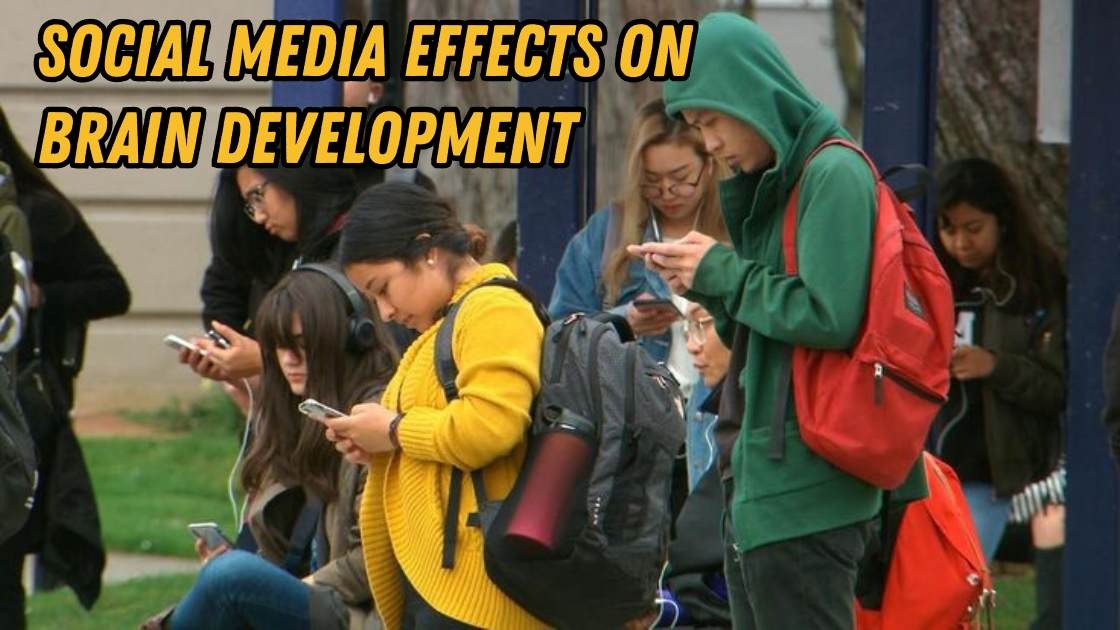
In today’s digital age, social media effects on brain development have become a hot topic for researchers and parents alike. From the ways teens process information to how adults handle attention and memory, the influence of constant connectivity is profound. This article explores the latest scientific research, revealing how platforms impact cognitive development, emotional regulation, and neuroplasticity.
You will also discover practical strategies for healthy usage, including managing screen time, fostering critical thinking skills, and understanding the role of digital habits in shaping the brain. By diving into both the risks and potential benefits, we aim to provide a clear guide for navigating social media in a way that supports mental growth and overall well-being.
Understanding the Concept of Social Media Effects on Brain Development
The social media effects on brain development have been a growing concern as digital platforms become integral to daily life. At its core, this concept explores how prolonged exposure to social networks influences cognitive functions, emotional regulation, attention span, and overall mental health. Researchers have found that frequent use of platforms such as Instagram, TikTok, and Facebook can alter neural pathways in developing brains, especially in adolescents and young adults. Understanding these effects is crucial for parents, educators, and mental health professionals aiming to promote healthy digital habits and safeguard psychological well-being.
Historical Background of Social Media Usage
The journey of social media began in the early 2000s with platforms like Friendster and MySpace, quickly evolving to Facebook, Twitter, and Instagram. Initially, these networks were designed to enhance communication skills and social interactions, but researchers soon observed links between prolonged use and changes in brain function. Studies highlighted that excessive scrolling could influence decision-making processes, impulse control, and even memory retention. Over time, the emphasis shifted toward examining neurodevelopmental impacts, particularly how the brain adapts to constant digital stimuli.
Importance of Studying Social Media Effects on Brain Development
Studying social media effects on brain development is essential because modern life heavily relies on digital platforms. Educational growth, critical thinking skills, and emotional intelligence are all influenced by how individuals engage with social media. Adolescents, whose brains are still maturing, are particularly vulnerable to changes in attention control and risk-taking behavior. Understanding these impacts allows for implementing strategies to balance technology use with other mental stimulation activities, like reading, physical exercise, and face-to-face social interactions.
Positive Effects of Social Media on Brain Development
While much of the discussion focuses on risks, social media also offers several cognitive and social benefits when used responsibly. These include:
-Enhanced learning opportunities through educational content and online communities
-Improved communication skills by interacting with diverse groups
-Boosted creativity by sharing ideas, art, and projects
-Increased emotional support through connection with friends and interest groups
Responsible use encourages neuroplasticity, helping the brain adapt and grow in response to new experiences. Understanding the beneficial aspects ensures that social media is not entirely viewed as harmful.
Negative Effects of Social Media on Brain Development
Despite its benefits, the negative consequences of excessive social media use cannot be ignored. Studies have shown that overexposure can lead to:
-Reduced attention span and impaired focus
-Increased stress levels and anxiety
-Poor sleep quality due to late-night scrolling
-Weakened emotional regulation and self-esteem issues
-Altered reward pathways, making the brain crave constant digital validation
These impacts highlight the need for structured screen time, awareness about addictive behaviors, and mental health monitoring.
How Social Media Influences Cognitive and Emotional Development
The developing brain is highly sensitive to stimuli. Social media platforms, with their constant notifications and likes, can shape cognitive processing and emotional responses. Research suggests that frequent exposure affects working memory, problem-solving abilities, and decision-making skills. Emotionally, social media can influence mood fluctuations, social comparison tendencies, and empathy levels. By understanding these patterns, parents and educators can guide adolescents toward balanced digital engagement and healthier behavioral development.
The Role of Dopamine in Social Media Engagement
One major factor behind the influence of social media on the brain is dopamine release, the chemical responsible for pleasure and reward. Every like, share, or comment triggers a small dopamine surge, reinforcing habit formation and making the brain seek repetitive engagement. Over time, this can affect neural pathways, attention management, and emotional stability, especially in younger users whose prefrontal cortex is still developing.
Practical Strategies to Minimize Negative Effects
While the effects of social media on brain development can be significant, several strategies help mitigate potential harm:
- Set Screen Time Limits: Encourage no more than 1–2 hours of recreational use daily
- Promote Physical Activities: Exercise boosts cognitive growth and reduces screen dependency
- Foster Offline Social Interaction: Face-to-face communication enhances emotional intelligence
- Encourage Mindful Usage: Teach adolescents to critically evaluate digital content
- Monitor Sleep Patterns: Maintain a regular sleep schedule to support brain function
Implementing these strategies can lead to a healthier balance between digital consumption and real-world experiences.
Case Studies and Real-Life Examples
Several studies illustrate the impact of social media on developing brains. One research project tracked teenagers’ attention spans over five years and found that heavy social media users scored lower in concentration-based tasks. Another study revealed increased stress levels and emotional dysregulation among young adults constantly engaged with multiple platforms. Conversely, individuals using social media for educational purposes or creative collaboration demonstrated improved problem-solving skills and enhanced communication abilities. These examples emphasize that outcomes largely depend on usage patterns, highlighting the importance of guidance and moderation.

Future Perspectives and Research Directions
As social media continues to evolve, understanding its long-term effects on brain development remains critical. Future research is likely to focus on neuroimaging studies, AI-driven behavioral analytics, and the influence of emerging platforms like virtual reality on cognitive growth. Policymakers, educators, and parents must collaborate to promote safe and constructive digital environments, ensuring that technology supports rather than hinders brain development.
Conclusion:
In conclusion, understanding social media effects on brain development is essential for fostering healthy cognitive growth and emotional well-being. While responsible usage can enhance communication skills, creativity, and critical thinking, excessive exposure may lead to attention deficits, stress, and weakened emotional regulation. By promoting mindful digital habits, balanced screen time, and engaging in offline activities, parents and educators can guide adolescents and young adults toward positive outcomes. Awareness and proactive strategies ensure that social media becomes a tool for growth rather than a source of mental strain.