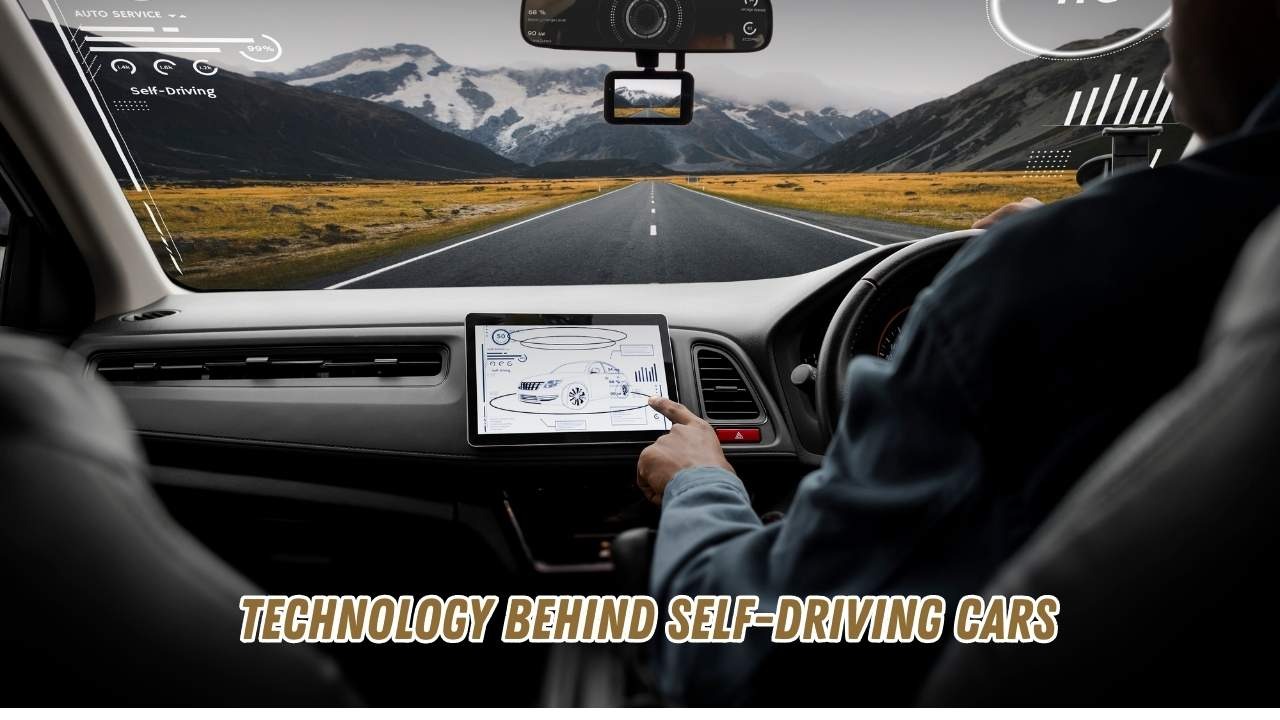
The technology behind self-driving cars is transforming the way we think about transportation, making the concept of fully autonomous vehicles closer to reality than ever before. These advanced machines rely on a combination of artificial intelligence, machine learning, sensor systems, and computer vision to navigate complex roads safely and efficiently.
In this article, we will explore how these vehicles process data in real time, make critical decisions, and interact with their environment without human intervention. Additionally, we will delve into the role of LIDAR technology, radar systems, and advanced algorithms that enable precise detection of obstacles and traffic patterns.
Whether you are curious about the science behind self-driving cars or interested in the future of autonomous vehicles, this guide will provide a clear and engaging overview of the key technologies driving this revolution.
Understanding the Technology Behind Self-Driving Cars
Self-driving cars, also known as autonomous vehicles, are revolutionizing modern transportation. At their core, these vehicles rely on a blend of advanced algorithms, machine learning, and sensor systems to operate without human intervention. The technology behind self-driving cars integrates multiple disciplines, including artificial intelligence, computer vision, and robotics, allowing vehicles to perceive their environment, make decisions, and safely navigate roads. Understanding this technology is essential to appreciating how these vehicles are reshaping mobility, safety, and efficiency in the automotive industry.
A Brief History and Evolution
The development of autonomous vehicles has been unfolding over several decades. Early experiments in the 1980s and 1990s focused on basic navigation systems and rudimentary sensor technologies. Over time, advancements in AI and computing power enabled more sophisticated systems capable of interpreting complex traffic environments. Companies like Tesla, Waymo, and Uber have significantly accelerated development, integrating radar, LIDAR, and camera systems to achieve higher levels of automation. This evolution highlights the importance of ongoing research and development in making self-driving cars a practical reality.
Key Features of Self-Driving Cars
The success of autonomous vehicles depends on several critical components:
Sensor Systems
Self-driving cars are equipped with LIDAR, radar, and ultrasonic sensors that detect objects, pedestrians, and lane markings in real time. These sensors provide continuous feedback to ensure safe navigation.
Artificial Intelligence and Machine Learning
AI algorithms process sensor data to identify patterns, predict the behavior of other road users, and make split-second decisions. Machine learning allows the system to improve over time based on accumulated driving data.
Navigation and Mapping
High-definition maps combined with GPS enable vehicles to plan routes, avoid obstacles, and anticipate traffic conditions.
Vehicle-to-Everything (V2X) Communication
V2X technology allows self-driving cars to communicate with other vehicles, traffic signals, and infrastructure, enhancing safety and efficiency.
Safety Protocols
Built-in redundancy systems ensure that vehicles can handle unexpected failures, maintaining safety at all times.
How the Technology Works
Understanding the steps in autonomous driving provides insight into its complexity:
- Data Processing: AI and machine learning algorithms analyze this data to detect obstacles and predict movement.
- Decision Making: The system determines optimal speed, lane position, and turning maneuvers.
- Actuation: Commands are sent to steering, braking, and acceleration systems for execution.
- Feedback Loop: Continuous sensor updates allow the vehicle to adjust decisions in real time.
- Data Collection: Cameras and sensors capture detailed information about the vehicle’s environment
This step-by-step process ensures precision and reliability, making self-driving cars safe for public roads.
Types of Autonomous Vehicles
Autonomous vehicles are classified based on their level of automation:
Level 0 to Level 2
These levels include vehicles with driver assistance features such as adaptive cruise control and lane-keeping.
Level 3 to Level 4
Vehicles can handle most driving tasks autonomously, requiring human intervention only in complex scenarios.
Level 5
Fully autonomous cars capable of operating without a driver, representing the ultimate goal of self-driving technology.
Benefits of Self-Driving Cars
Self-driving cars offer multiple advantages:
- Reduced traffic accidents due to fewer human errors
- Increased mobility for elderly and disabled individuals
- Improved fuel efficiency through optimized driving patterns
- Reduced congestion via coordinated vehicle communication
- Enhanced convenience and productivity for commuters
These benefits demonstrate the transformative potential of autonomous vehicles for society.
Challenges and Limitations
Despite their promise, self-driving cars face several hurdles:
- High development and maintenance costs limit widespread adoption
- Complex ethical and legal issues around accident liability
- Sensor limitations in adverse weather conditions
- Cybersecurity risks targeting vehicle control systems
- Public skepticism and regulatory constraints slowing market integration
Addressing these challenges is crucial for the long-term success of autonomous vehicles.
Real-World Use Cases
Autonomous technology is already applied in various sectors:
- Ride-sharing services using self-driving taxis
- Logistics and delivery through autonomous trucks
- Public transportation in controlled urban environments
- Agriculture and mining with automated machinery
- Smart city integration improving traffic management
These examples highlight how the technology behind self-driving cars is expanding beyond personal vehicles to broader applications.
Recommendations and Future Outlook
For individuals and businesses considering autonomous vehicles:
- Stay informed about regulations and safety standards
- Invest in vehicles with advanced AI and sensor systems
- Participate in pilot programs and trials to understand technology
- Focus on cybersecurity measures to prevent hacking
- Monitor industry developments for emerging opportunities
The future of self-driving cars is promising, driven by continuous advancements in AI, machine learning, and sensor technologies. As adoption grows, these vehicles are expected to make transportation safer, smarter, and more efficient than ever.
CONCLUSION
Self-driving cars are rapidly reshaping the future of transportation, offering improved safety, efficiency, and convenience for commuters worldwide. By combining artificial intelligence, machine learning, and advanced sensor systems, these vehicles can navigate complex environments with minimal human intervention. While challenges like cybersecurity, regulatory hurdles, and high development costs remain, the potential benefits of autonomous vehicles are undeniable. Understanding the technology behind self-driving cars highlights its significance in creating smarter, safer, and more sustainable mobility solutions. As innovation continues, the integration of these systems promises a transformative impact on daily travel and global transportation infrastructure.