Youth empowerment through education plays a crucial role in shaping confident, capable, and responsible future leaders. When young people gain access to quality learning, they not only acquire academic knowledge but also develop essential life skills that prepare them for real-world challenges.
This article explores how learning initiatives, supportive environments, and practical experiences contribute to personal growth and social progress. It will highlight how skill development, community engagement, and career opportunities play a vital part in helping young individuals unlock their full potential. By understanding these key elements, we can better support the next generation in building a brighter, more sustainable future for themselves and society.
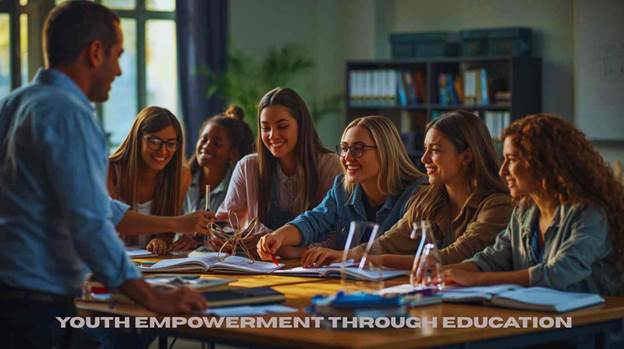
Understanding the Importance of Youth Empowerment Through Education
Definition and Concept
Youth empowerment through education refers to the process of equipping young individuals with the knowledge, confidence, skills, and values necessary to actively participate in personal, social, and economic development. It is not limited to classroom learning; rather, it includes life skills, leadership abilities, emotional intelligence, and exposure to real-world situations. Education gives youth the power to understand themselves, identify their abilities, and take steps toward a constructive future. Over time, educational systems have increasingly recognized the need to develop well-rounded learners rather than simply focusing on academic achievements.
Historical Background
In earlier periods, formal education was often restricted to elite groups or those who could afford it. Over centuries, reform movements and global awareness increased the demand for inclusive learning environments for all. Governments, social organizations, and international bodies emphasized literacy, equal access, and reduced discrimination. With the advancement of technology and globalization, the need for skill development and digital literacy became central to preparing youth for a rapidly changing world.
Why Empowerment Matters for Today’s Youth
Building Confidence and Identity
When young people engage in meaningful learning, they begin to understand who they are and what they can achieve. Education gives them a sense of identity and purpose. Through supportive environments, mentorship, and guidance, youth learn how to develop self-esteem and belief in their potential.
Encouraging Active Participation in Society
Empowered youth play active roles in society. They understand their rights and responsibilities and are more likely to contribute to community discussions, volunteer activities, and public decision-making. Programs promoting community engagement help young individuals form connections, solve local problems, and work toward collective growth.
Core Components of Effective Youth Empowerment Programs
Holistic Learning Approach
A strong empowerment model focuses on enhancing intellectual, emotional, and social development.
Academic Knowledge
Academic learning provides foundational understanding in language, science, mathematics, and broader world concepts. These subjects help young people build analytical and reasoning abilities.
Practical and Vocational Skills
Practical learning includes hands-on practice, technology use, project development, internships, and real-world problem-solving. These skills strengthen future career opportunities and adaptability.
Character and Values
This component emphasizes empathy, respect, ethical awareness, teamwork, and discipline. Values shape how youth respond to challenges and interact with others.
Supportive Learning Environment
Supportive environments are essential for effective empowerment. This includes positive teacher-student relationships, safe educational spaces, mentorship programs, and emotional support systems.
Access to Information and Technology
Digital tools allow youth to explore global knowledge, learn independently, and participate in virtual exchange environments. However, the digital divide remains a challenge in many communities.
Benefits of Youth Empowerment Through Education
Personal Transformation
Young individuals gain confidence, communication skills, creativity, and resilience. They learn how to express ideas clearly and solve problems independently.
Economic Development
When a country invests in youth learning, it develops a powerful workforce. Educated youth contribute through innovation, entrepreneurship, research, and skilled labor, leading to economic stability and growth.
Enhanced Social Harmony
Empowered youth promote peace, cultural respect, and understanding. They are more likely to reject violence, discrimination, and harmful social practices.
Better Decision-Making
Education helps youth assess situations logically, compare alternatives, and make informed personal and professional choices.
Challenges That Limit the Impact of Empowerment
Limited Educational Access
Many students around the world still lack access to quality learning due to remote locations, lack of infrastructure, or under-resourced schools.
Economic Restrictions
Families struggling financially may push youth toward early employment rather than education, reducing long-term development opportunities.
Technological Inequality
Although technology is essential for modern learning, not all students have access to the internet, devices, or digital training.
Cultural or Gender Barriers
In certain regions, traditional beliefs or gender norms restrict educational opportunities, particularly for girls.

Examples of Successful Empowerment Initiatives
School Leadership and Student Clubs
Schools that encourage participation in student councils, debate groups, or cultural clubs help youth develop leadership qualities and teamwork skills.
Vocational and Technical Training Centers
Youth training institutes offering skills in agriculture, engineering, technology, arts, and design prepare learners for practical work environments. These programs increase job readiness and independence.
Community Service and Awareness Campaigns
Local volunteer projects, environmental clean-ups, health awareness initiatives, or charity events promote social responsibility and meaningful public contribution.
Youth Mentorship and Counseling Programs
Experienced mentors offer guidance, emotional support, and career advice, helping youth shape clear developmental goals.
Strategies to Strengthen Empowerment Efforts
Improving Accessibility
Governments and organizations should work to provide affordable learning materials, scholarships, transportation support, and local development centers.
Enhancing Teacher Training
Teachers play a central role in empowerment. Continuous training in communication, inclusive teaching, and motivational strategies helps create supportive classroom environments.
Encouraging Extracurricular Participation
Art, sports, drama, public speaking, and creative competitions allow youth to explore talents beyond classroom learning.
Integrating Technology in Learning
Digital labs, online courses, and virtual workshops help students access global knowledge and build technical proficiency.
Promoting Parental and Community Involvement
When families and communities support education, students remain motivated and confident. Local engagement strengthens accountability and shared responsibility.
Conclusion
Youth empowerment through education is essential for shaping confident, skilled, and responsible future leaders. It helps young individuals develop knowledge, life skills, and the ability to contribute positively to society. By creating supportive learning environments, expanding access to resources, and encouraging practical experiences, we enable youth to unlock their full potential. Strengthening youth empowerment through education also supports economic growth, social harmony, and innovation. To continue fostering progress, educators, communities, and families should work together and stay engaged in promoting learning opportunities. Explore more ways to support and inspire the next generation.