
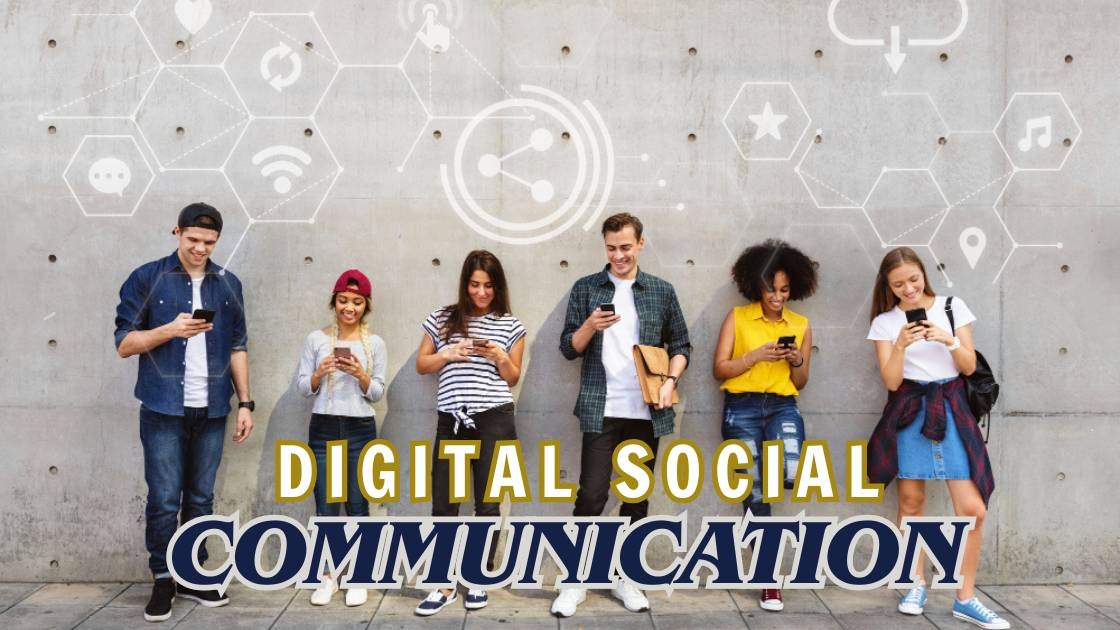
Digital social communication has fundamentally reshaped the way we connect, share, and build relationships in the modern world. What began with simple text messages and emails has evolved into a complex ecosystem of online interaction platforms, video calls, and instant messaging apps that transcend geographical boundaries. Today’s social media networks enable us to maintain connections with friends, family, and colleagues across continents in real-time, creating possibilities that seemed unimaginable just a few decades ago. This transformation has affected every aspect of our lives from how we conduct business and education to how we form friendships and express ourselves.
In this article, we’ll explore the remarkable journey of how technology has revolutionized human connection, examining the key milestones that shaped our virtual communication landscape and understanding both the opportunities and challenges this evolution presents for society today.
Related Article: Virtual Life: Redefining Human Interaction in the Digital Age
The Dawn of Digital Connectivity
The journey of digital social communication began in the 1970s with the emergence of early computer networks and email systems. The first email was sent in 1971 by Ray Tomlinson, marking a pivotal moment in how humans would exchange information. By the 1990s, the internet became publicly accessible, introducing chat rooms and instant messaging platforms like ICQ and AOL Instant Messenger. These early tools laid the foundation for what would become a complete transformation in human interaction.
The real breakthrough came with the launch of social networking sites in the early 2000s. Friendster, MySpace, and eventually Facebook revolutionized how people maintained relationships and shared their lives online. Suddenly, staying connected with old friends, sharing photos, and expressing thoughts became effortless through online platforms.
How Technology Reshaped Communication Patterns
From Text to Multimedia Interaction
Modern digital social communication extends far beyond simple text messages. Today’s communication landscape includes:
- Video conferencing tools like Zoom and Microsoft Teams
- Image-sharing platforms such as Instagram and Snapchat
- Short-form video content on TikTok and YouTube Shorts
- Voice messaging and podcast platforms
- Virtual and augmented reality experiences
This evolution has made conversations richer and more expressive. People can now share entire experiences through live streams, video calls allow face-to-face conversations across continents, and multimedia messaging enables us to communicate emotions and ideas more effectively than ever before.
The Rise of Mobile Communication
Smartphones revolutionized digital social communication by making connectivity portable and constant. With devices in our pockets, we’re perpetually connected to our social networks. Mobile apps have introduced features like push notifications, location sharing, and instant photo uploads that keep us engaged throughout the day. This shift has transformed communication from a scheduled activity to an ongoing, fluid experience.
The Benefits of Digital Transformation
Breaking Geographic Boundaries
One of the most significant advantages of modern digital social communication is its ability to eliminate distance as a barrier. Families separated by oceans can share daily moments through video calls. Businesses collaborate across time zones seamlessly. Remote collaboration has become standard practice, enabling diverse teams to work together regardless of physical location.
Democratizing Information and Voices
Social media platforms have given everyone a voice. Individuals can share their stories, advocate for causes, and build communities around shared interests. This democratization has empowered marginalized groups, enabled grassroots movements, and created opportunities for people to connect over niche interests that might not have viable communities in their immediate physical surroundings.
Enhanced Professional Networking
Professional networking platforms like LinkedIn have transformed career development. People can showcase their expertise, connect with industry leaders, and discover opportunities worldwide. The ability to maintain professional relationships digitally has opened doors that traditional networking could never provide.

Challenges in the Digital Age
Information Overload and Mental Health
The constant connectivity enabled by digital social communication comes with drawbacks. Many people experience anxiety from the pressure to stay updated, respond immediately, and maintain their online presence. The fear of missing out (FOMO) has become a recognized psychological challenge in our hyperconnected world.
Privacy and Security Concerns
As we share more of our lives through digital channels, privacy becomes increasingly complex. Data breaches, identity theft, and unauthorized surveillance pose real threats. Users must navigate the balance between connection and protecting their personal information.
The Quality vs. Quantity Debate
While digital tools enable us to maintain hundreds of connections, questions arise about the depth of these relationships. Critics argue that digital social communication sometimes prioritizes breadth over meaningful engagement, leading to superficial interactions that lack the richness of in-person conversations.
Real-World Impact and Examples
The COVID-19 pandemic demonstrated both the power and necessity of digital social communication. When physical distancing became mandatory, digital tools kept societies functioning. Schools transitioned to online learning, businesses adopted remote work models, and people maintained social bonds through virtual gatherings. This period accelerated digital adoption by years, proving that technology could sustain human connection even in unprecedented circumstances.
Conclusion
The transformation of digital social communication has fundamentally altered the fabric of human connection. From early emails to today’s sophisticated social media platforms, technology has expanded our ability to connect, collaborate, and share experiences across the globe. While challenges like privacy concerns and mental health impacts require ongoing attention, the benefits of instant connectivity and barrier-free interaction are undeniable. As technology continues to evolve, digital communication tools will further shape how we build relationships, conduct business, and maintain our social bonds. Understanding this evolution helps us navigate the digital age more thoughtfully and intentionally.


1 Comment
Add Yours →[…] Related Article: The Evolution of Digital Social Communication: How Technology Has Transformed Human Connection […]