
Youth social development is the lifelong process through which children and adolescents learn to communicate, form relationships, and navigate social situations with confidence. Whether you are a parent trying to help a shy 8 year old make friends or a teacher managing group dynamics in a high school classroom, understanding how young people grow socially is the foundation for every effective intervention.
This guide breaks down the science, the stages, and the practical strategies behind adolescent social growth so you can take meaningful action today.
Youth social development matters because it directly predicts mental health outcomes, academic performance, and long term career readiness. Young people who develop strong interpersonal skills early are far better equipped to handle the challenges of adulthood.
Data from the Collaborative for Academic, Social, and Emotional Learning (CASEL) confirms that students enrolled in structured social and emotional learning programs gain an average of 11 percentile points in academic achievement over peers without access to such programs. The World Health Organization’s 2023 adolescent mental health report further reinforces this, showing that teens with strong peer bonds and community ties experience notably lower levels of depression and chronic loneliness.
On the professional side, the LinkedIn 2024 Workplace Learning Report consistently places communication, emotional intelligence, and collaboration among the most in demand skills across industries. Building these abilities during adolescence gives young people a tangible head start.
Table of Contents

What Exactly Is Youth Social Development?
Youth social development is the gradual acquisition of interpersonal awareness, relational skills, and group cooperation abilities that unfolds from early childhood through the teenage years. It encompasses how young people learn to listen, express themselves, handle disagreements, and contribute to shared goals.
This process is shaped by multiple overlapping environments. Family relationships lay the groundwork. Schools provide structured practice. Peer groups test and refine those skills under real world pressure. Cultural norms, socioeconomic conditions, and digital spaces all add additional layers of influence.
The Five Pillars of Social Competence in Youth
Healthy social growth in young people rests on five interconnected abilities:
Emotional regulation is the capacity to manage strong feelings like anger, excitement, or disappointment without damaging relationships. Research published by the American Psychological Association shows that adolescents with better emotional regulation skills report stronger friendships and lower anxiety levels.
Active communication goes beyond talking. It includes listening without interrupting, reading nonverbal cues, and adjusting tone based on context.
Empathy and perspective taking allow a young person to understand and share the feelings of someone whose experience may be entirely different from their own.
Conflict resolution provides tools for working through disagreements constructively, without aggression or silent withdrawal.
Teamwork and cooperation teach young people to contribute toward group objectives while respecting differing opinions and abilities.
Key Stages of Social Development From Childhood to Adolescence
Social maturity does not arrive overnight. It follows a broad developmental arc, though individual timelines vary widely.
Ages 3 to 5 (Early Childhood): Children engage in parallel play, begin practicing basic turn taking, and start labeling emotions they observe in others.
Ages 6 to 11 (Middle Childhood): Friendships grow more stable and selective. Children develop a stronger understanding of fairness, learn to follow group norms, and begin resolving minor conflicts with less adult intervention.
Ages 12 to 14 (Early Adolescence): Peer approval becomes a dominant social motivator. Teens grow acutely aware of social hierarchies, begin forming identity through group membership, and experience friendships with deeper emotional complexity.
Ages 15 to 18 (Late Adolescence): Relationships become more intimate and reciprocal. Older teens demonstrate greater capacity for loyalty, mutual vulnerability, and independent social decision making. Romantic relationships and preparation for adult social roles also emerge during this stage.
Recognizing where a young person falls on this spectrum helps caregivers set realistic expectations rather than pushing for maturity that is developmentally premature.
How Social Media and Screen Time Shape Teen Social Skills
Digital technology is neither purely helpful nor purely harmful for adolescent social development. Its impact depends almost entirely on how it is used.
The American Psychological Association’s 2023 Health Advisory on Social Media Use in Adolescence found that teenagers spending more than three hours per day on social platforms face approximately twice the risk of poor mental health outcomes, including heightened anxiety and feelings of social isolation.
However, intentional digital engagement can support social growth. Video calls with extended family build conversational comfort in younger children. Collaborative online projects teach real time teamwork. Creative platforms like youth coding communities and digital storytelling groups encourage constructive peer feedback.
The goal is not to eliminate screens but to shift the balance from passive consumption toward active, relationship building digital experiences.
Proven Strategies for Parents to Foster Social Growth
Parents remain the single most influential force in shaping how young people relate to the world around them. Strengthening your child’s social abilities does not require specialized training.
Demonstrate healthy disagreement. Children absorb conflict patterns from watching their parents. When you resolve arguments calmly and express emotions honestly, your child internalizes those same approaches.
Provide structured social opportunities. Enrolling young people in team sports, community service projects, drama programs, or neighborhood clubs gives them repeated low stakes chances to practice negotiation, leadership, and cooperation outside the home.
Replace closed questions with reflective ones. Asking “What was the best conversation you had today?” generates far more social reflection than “How was school?” and helps teens build emotional vocabulary.
Allow space for independent conflict resolution. When a teenager describes a disagreement with a peer, resist the instinct to intervene directly. Instead, ask guiding questions that help them arrive at their own solution. This approach builds lasting confidence.
What Educators Can Do to Build Social Skills in the Classroom
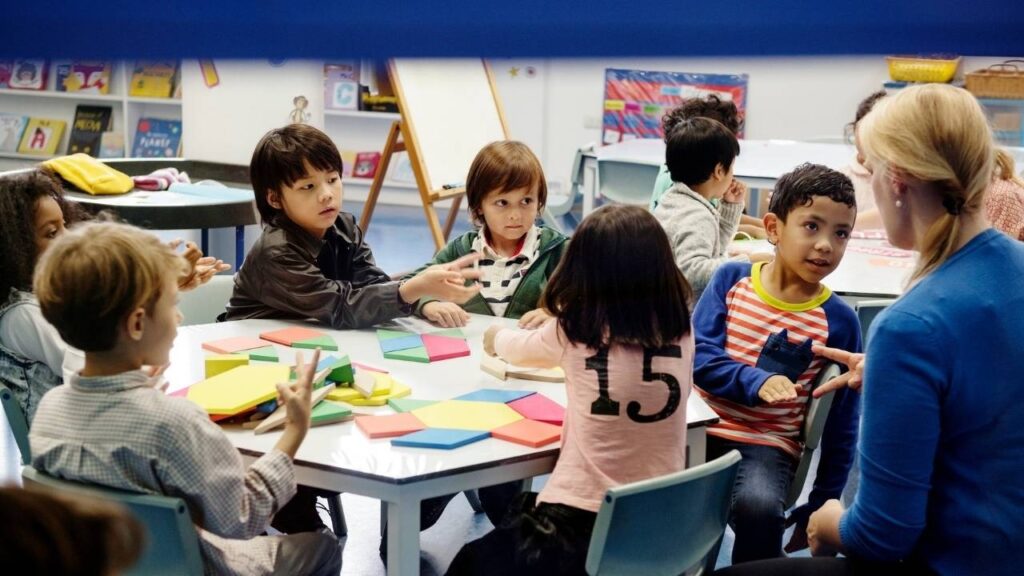
Teachers interact with young people for more waking hours than almost any other adult, making the classroom a powerful environment for social development.
Embedding collaborative projects, structured peer feedback, and classroom discussions into daily instruction gives students consistent practice in active listening, respectful disagreement, and shared responsibility. According to the National Education Association, schools that integrate social and emotional learning across subjects observe measurable gains in student behavior, attendance, and engagement.
Simple, cost effective methods include rotating leadership roles in group assignments, facilitating peer mentoring between older and younger students, and creating structured reflection exercises after collaborative tasks.
The Critical Role of Community Programs in Adolescent Social Growth
Families and schools cannot do this work alone. Community organizations offer unique opportunities for young people to interact with diverse populations, build relationships with caring adults outside the home, and develop civic identity.
The Search Institute’s Developmental Assets Framework identifies supportive community relationships as one of the strongest predictors of positive outcomes in adolescence. Their research shows that teens connected to at least one non family adult mentor are significantly more likely to succeed socially and academically.
Established programs such as Big Brothers Big Sisters, 4 H, and local scouting organizations have decades of evidence demonstrating their effectiveness in building communication skills, self worth, and civic responsibility among participants.
Age by Age Quick Reference for Supporting Youth Social Development
Early childhood (3 to 5): Prioritize guided play, sharing games, and naming emotions out loud throughout daily routines.
Middle childhood (6 to 11): Encourage participation in team activities, teach simple conflict resolution language, and talk about friendships openly and without judgment.
Early adolescence (12 to 14): Honor their increasing need for peer connection, establish clear but reasonable boundaries around social media use, and maintain open, nonjudgmental dialogue.
Late adolescence (15 to 18): Support growing independence, discuss what healthy romantic and platonic relationships look like, and involve them in community service or leadership experiences.
Conclusion: Small Steps Create Lasting Social Foundations
Youth social development is not a milestone you check off. It is a continuous, evolving process shaped by the combined influence of family, school, community, and digital life. When adults around a young person consistently model positive behavior, create meaningful chances for connection, and provide age appropriate support, they lay a social foundation that lasts well into adulthood.
You do not need to overhaul everything at once. Choose one strategy from this guide, whether it is asking better questions at the dinner table, enrolling a teen in a community program, or rethinking screen time boundaries, and start there. Every intentional step compounds over time.
Share this guide with a fellow parent, teacher, or mentor who works with young people, and let us know in the comments which strategies have worked best in your experience.
What is youth social development and why is it important?
Youth social development is the process through which children and teenagers acquire the communication, empathy, and cooperation skills needed to build healthy relationships. It matters because these abilities directly influence academic success, mental wellbeing, and career readiness throughout life.
At what age do social skills begin developing?
Basic social awareness begins in infancy, when babies start recognizing faces and responding to voices. More complex abilities like empathy, conflict resolution, and group collaboration develop primarily between ages 3 and 18, with each stage introducing new social challenges and skills.
How does social media impact youth social development?
Social media presents both opportunities and risks for adolescent social growth. It enables connection across distances but can reduce face to face interaction practice and amplify comparison behaviors. The American Psychological Association links more than three hours of daily social media use to significantly higher rates of anxiety and loneliness among teens.
What activities best support social skill building in young people?
Team sports, performing arts, volunteer work, peer mentoring, and structured youth clubs rank among the most effective environments. Each requires real time communication, cooperation, and empathy, giving young people repeated practice in authentic social settings.
Can social skills be taught, or are they innate?
While temperament influences how naturally outgoing a child may be, social competence is predominantly a learned skill set. With consistent modeling from adults, structured practice opportunities, and supportive feedback, nearly every young person can meaningfully strengthen their interpersonal abilities.
What role do parents play in their child’s social development?
Parents are the most influential figures in shaping a young person’s social behavior. By modeling healthy communication, creating opportunities for group interaction, asking reflective questions, and allowing space for independent conflict resolution, caregivers lay the groundwork for lifelong social confidence.