Average daily phone screen time now exceeds six hours and 40 minutes worldwide, making smartphones one of the most dominant forces in modern life. That figure has climbed steadily since 2013, when the global number sat just below two hours. For many people, the phone is the first thing they touch in the morning and the last thing they look at before sleep.
But behind that convenience lies a growing body of evidence linking prolonged smartphone use to anxiety, depression, disrupted sleep, and weakened attention spans. Researchers across multiple countries now agree that how much time you spend staring at a screen has measurable consequences for your psychological wellbeing.
This guide breaks down the latest statistics, explains what science says about the connection between phone habits and mental health, and offers practical strategies you can start using today to regain control over your digital life.
Table of Contents

What the Latest Data Reveals About Smartphone Usage
Global and Regional Screen Time Trends
According to DataReportal’s Digital 2026 Global Overview, global internet users spend roughly six hours and 40 minutes on screens every day. In the United States, the number is slightly higher at around seven hours and three minutes. These figures include phones, tablets, computers, and television combined.
The story becomes more striking when you look at mobile devices alone. Backlinko’s 2026 report notes that nearly half of American teenagers between 13 and 18 exceed eight hours of daily screen time. Meanwhile, countries in Southeast Asia and South America consistently rank among the highest consumers, with the Philippines averaging more than five hours on smartphones alone.
Japan, by contrast, reports some of the lowest figures globally at roughly two hours of mobile use per day, illustrating how cultural and infrastructural differences shape our digital habits.
Who Spends the Most Time on Phones
Generation Z stands out as the heaviest users, spending roughly nine hours per day on screens according to data compiled by DemandSage. That is nearly twice the figure reported for Baby Boomers, who average around three and a half hours.
Women between 16 and 24 log the highest individual averages at over seven hours and 30 minutes daily. Adults over 55 sit at the opposite end, spending roughly five hours. These generational gaps reflect not just differing leisure habits but also the growing role of smartphones in education, work, and social life for younger demographics.
| Generation | Avg. Daily Screen Time | Primary Device |
| Gen Z (born 1997–2012) | ~9 hours | Smartphone |
| Millennials (born 1981–1996) | ~6 hours 42 min | Smartphone / Laptop |
| Gen X (born 1965–1980) | ~5 hours 30 min | Computer / TV |
| Baby Boomers (born 1946–1964) | ~3 hours 31 min | Television |
How Excessive Phone Use Affects Your Mental Health
The Dopamine Loop Behind Screen Addiction
Every notification ping, every new like, and every refreshed feed triggers a small burst of dopamine in the brain’s reward system. Stanford psychiatrist Dr. Anna Lembke, author of Dopamine Nation, explains that this cycle mirrors patterns seen in other compulsive behaviors. The brain learns to crave the next reward, making it harder to put the phone down.
A Georgetown University study found that excessive smartphone use negatively affects attention span even when the device is not physically present. The encouraging finding, however, was that these effects proved reversible after a brief digital detox period.
Anxiety, Depression, and Social Comparison
A UC San Francisco study published in BMC Public Health (2024) tracked thousands of 9- and 10-year-olds over two years. Researchers found that increased screen time was consistently associated with more severe symptoms of depression, anxiety, inattention, and aggression. The activities most strongly linked to depressive symptoms were video chatting, texting, and watching videos.
The ABCD (Adolescent Brain and Cognitive Development) study, one of the largest longitudinal studies on this topic, analyzed data from over 9,400 participants between 2016 and 2022. Groups with higher screen time showed significantly elevated anxiety and depression scores compared to those with persistently low usage.
Social media amplifies these effects through constant comparison. Curated profiles create unrealistic benchmarks for appearance, lifestyle, and success. Teenagers and young adults, who are still forming their identities, face the highest vulnerability to these pressures.
Blue Light, Sleep Disruption, and Cognitive Decline
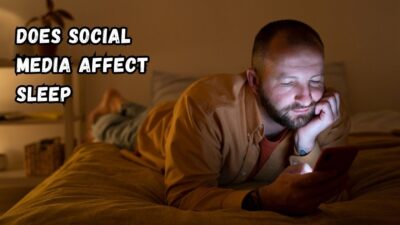
Research published in the Proceedings of the National Academy of Sciences (PNAS) demonstrated that using light-emitting devices before bed delays the circadian clock, suppresses melatonin production, and reduces REM sleep. Participants who read on screens took longer to fall asleep and reported feeling less alert the following morning.
A separate systematic review in Frontiers in Neurology confirmed that even short periods of evening smartphone use significantly reduce melatonin levels and shift its onset. This leads to later bedtimes, shorter total sleep, and poorer sleep quality over time.
Chronic sleep loss compounds the problem. Poor sleep feeds anxiety and depression, which in turn drives more late-night scrolling creating a self-reinforcing cycle that becomes increasingly difficult to break.
Five Warning Signs Your Phone Habits Need Attention
Problematic phone use does not always look dramatic. It often creeps in gradually, disguised as routine. Watch for these patterns in your daily behavior:
- You feel anxious or restless when your phone is out of reach or its battery dies unexpectedly.
- Your first and last actions each day involve checking your phone, often before getting out of bed.
- You regularly lose 30 minutes or more to aimless scrolling when you originally opened an app for a specific task.
- Face-to-face conversations feel less engaging than your online interactions, and you catch yourself reaching for the phone during meals or social events.
- Your mood swings based on social media feedback likes, comments, or the absence of them changes how you feel about yourself.
If three or more of these apply, it may be time to reassess your relationship with your device. Recognizing these patterns is the critical first step toward meaningful change.

Proven Strategies to Reduce Your Screen Time
Set Intentional Boundaries With Your Device
Small, consistent changes produce better results than dramatic overhauls. Start by designating phone-free zones in your home, particularly the bedroom and dining area. Keeping the phone out of the bedroom alone can improve sleep onset by removing the temptation of late-night scrolling.
Another effective approach is the 20-20-20 rule, commonly recommended by eye specialists. Every 20 minutes, look at something 20 feet away for 20 seconds. While designed to reduce digital eye strain, this habit also creates natural micro-breaks that interrupt the dopamine loop.
Use Built-In Digital Wellbeing Tools
Both iOS (Screen Time) and Android (Digital Wellbeing) offer dashboards that track exactly how much time you spend on each application. Enable daily or weekly usage reports so you can see the actual numbers rather than relying on guesswork.
Set app-specific time limits, especially for social media platforms. TikTok alone accounts for roughly 95 minutes of daily usage among its active users, according to platform analytics reported by BlankSpaces. Capping individual apps at 30 to 45 minutes creates accountability without requiring you to delete anything.
Try a Structured Digital Detox
A study published in the International Journal of Environmental Research and Public Health found that a two-week social media detox where participants limited social media to 30 minutes per day produced measurable improvements in stress, sleep quality, life satisfaction, and smartphone addiction scores.
You do not need to go cold turkey. Start with a one-hour phone-free window each evening and expand from there. Replace scrolling time with activities that engage different parts of the brain: reading a physical book, going for a walk, cooking, or having an uninterrupted conversation. The goal is not to eliminate your phone but to return it to its proper role as a tool rather than a constant companion.
Finding a Healthy Balance With Technology
Phones are not inherently harmful. They connect us with loved ones, provide access to information, and enable flexible work. The challenge lies in separating intentional use from habitual consumption.
Health experts generally recommend keeping recreational screen time under two hours per day. Work-related use is often unavoidable, which makes it even more important to protect your leisure hours from additional digital overload. Think of it like nutrition: the total amount matters, but so does the quality of what you consume.
Mindful usage means asking yourself a simple question before unlocking your phone: “What am I opening this for?” If the answer is vague boredom, habit, or just checking that is a signal to pause. Over time, this small moment of intentionality reshapes your entire relationship with the device.
What is a healthy amount of daily screen time for adults?
Most health organizations recommend limiting recreational screen time to around two hours per day. The global average currently sits at roughly six hours and 40 minutes across all devices, so many people are well above the suggested threshold. Focus on reducing non-essential use rather than tracking an exact number.
Does phone screen time directly cause depression?
Research shows a consistent correlation rather than direct causation. Longitudinal studies, such as the UCSF and ABCD studies cited above, demonstrate that higher screen time is associated with more severe anxiety and depression symptoms. The relationship is complex and influenced by content type, social comparison, and sleep disruption.
How does blue light from phones affect sleep quality?
Blue light suppresses the production of melatonin, the hormone that regulates your sleep-wake cycle. Research published in PNAS showed that using screens before bed delays your circadian clock, shortens REM sleep, and reduces next-morning alertness. Experts recommend putting your phone away at least one hour before bedtime.
Can reducing screen time actually improve mental health?
Yes. A peer-reviewed study on two-week social media detoxes found measurable improvements in stress levels, sleep quality, life satisfaction, and addictive phone behaviors. Even modest reductions cutting 30 to 60 minutes of daily social media use have shown benefits in multiple research settings.
What is the best way to start a digital detox?
Begin with small, achievable steps rather than an all-or-nothing approach. Establish phone-free zones (bedroom, dining table), set daily app limits using built-in tools, and replace one scrolling session with a non-digital activity each day. Consistency matters more than intensity.
Are children more vulnerable to the effects of excessive screen time?
Children and teenagers appear to be more susceptible. The UCSF study found consistent links between screen time and depressive symptoms in children as young as nine. The developing brain is more sensitive to dopamine-driven reward cycles, social comparison, and sleep disruption from blue light exposure.