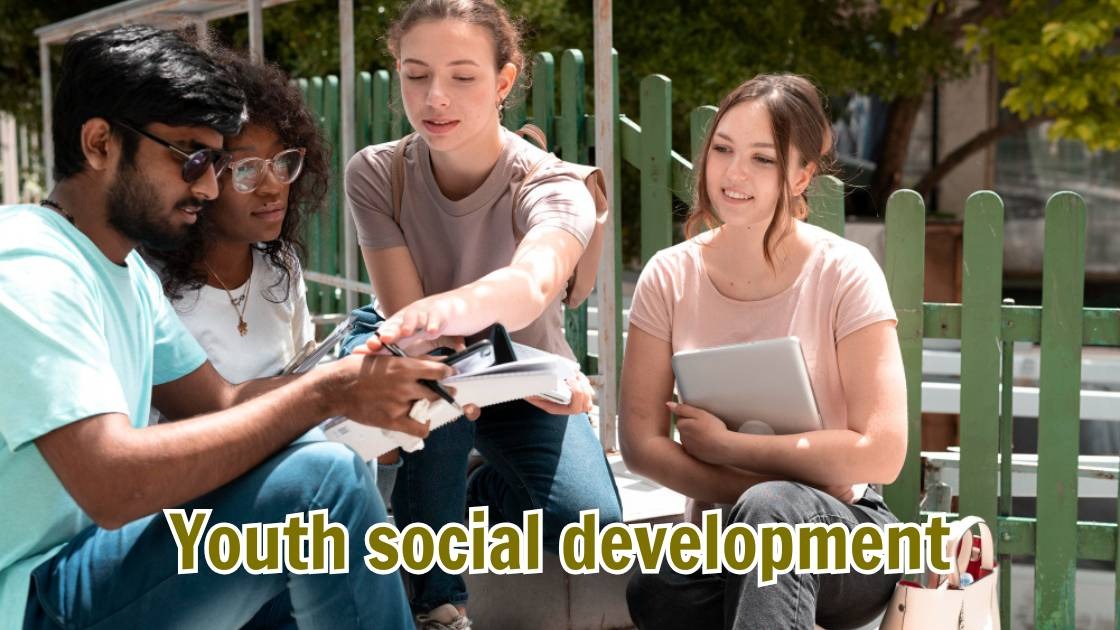
Youth social development has become a cornerstone of modern educational frameworks, yet many institutions struggle to bridge the gap between theoretical models and real-world application. As schools and educational organizations recognize the critical importance of nurturing holistic student growth, the challenge lies in translating research-based principles into actionable programs that genuinely impact young lives.
This article explores practical strategies for implementing effective adolescent development initiatives within classroom environments and broader school communities. We’ll examine evidence-based approaches that foster emotional intelligence, interpersonal skills, and civic engagement while addressing common implementation barriers. From teacher training protocols to community partnerships, you’ll discover how educational settings can create sustainable frameworks that support social-emotional learning and prepare students for meaningful participation in society. Whether you’re an educator, administrator, or youth program coordinator, these insights will help transform developmental theory into tangible outcomes.
Understanding the Foundation of Youth Social Development in Schools
Youth social development encompasses the processes through which young people acquire essential life skills, build meaningful relationships, and develop a sense of identity and purpose. In educational settings, this goes far beyond academic achievement to include emotional intelligence, conflict resolution abilities, and collaborative competencies. Schools serve as primary environments where students spend formative years, making them ideal venues for structured developmental interventions.
The concept gained significant traction in the 1990s when researchers recognized that cognitive learning alone couldn’t prepare students for complex social realities. Today’s educational landscape demands graduates who can navigate diverse workplaces, engage in civic responsibilities, and maintain healthy relationships. Traditional classroom instruction rarely addresses these needs comprehensively, creating a gap that intentional social-emotional learning programs must fill.
Core Components of Effective Implementation Strategies
1. Creating a Supportive School Culture
Successful youth social development initiatives require institutional commitment that permeates every level of the school environment. This begins with leadership endorsement and extends to daily classroom practices. Key elements include:
Whole-school approaches that integrate developmental goals into mission statements, teacher evaluations, and curriculum planning Professional development programs equipping educators with skills to model positive social behaviors and facilitate growth-oriented discussions Safe spaces where students feel comfortable expressing emotions, making mistakes, and exploring identity without judgment Consistent messaging across all school activities, from athletics to arts programs, reinforcing core developmental values
2. Curriculum Integration and Pedagogical Methods
Rather than treating adolescent development as a separate subject, effective schools weave it throughout existing curricula. English classes become opportunities to explore character motivations and ethical dilemmas. History lessons examine social movements and civic engagement. Science projects incorporate teamwork and communication skills.
Project-based learning naturally facilitates peer collaboration and problem-solving abilities. Students working together on extended assignments must negotiate roles, manage conflicts, and support one another through challenges. These authentic experiences teach interpersonal skills more effectively than isolated lessons about cooperation.
Service-learning initiatives connect classroom knowledge to community needs, fostering empathy and social responsibility. When students tutor younger children, participate in environmental projects, or assist local organizations, they develop purpose and agency while contributing meaningfully to society.
Addressing Common Implementation Challenges
1. Resource Constraints and Time Limitations
Many schools cite insufficient funding and packed schedules as barriers to youth social development programming. However, effective strategies don’t always require additional resources. Small modifications to existing practices can yield significant results:
Embedding reflective discussions into routine activities rather than creating separate programs Leveraging peer mentorship systems that distribute developmental support across student populations Utilizing community partnerships to access expertise and materials without budgetary strain Repurposing advisory periods or homeroom time for structured social skills development
2. Measuring Progress and Demonstrating Impact
Unlike standardized test scores, social development outcomes resist simple quantification. Schools need multifaceted assessment approaches:
Behavioral observations documenting changes in student interactions and conflict resolution patterns Student self-assessments tracking personal growth in areas like empathy, resilience, and communication Teacher reports noting classroom climate improvements and collaborative capacity increases Parent feedback regarding behavioral changes and emotional regulation at home
Real-World Examples of Successful Programs
Several educational institutions demonstrate that theory-to-practice translation is achievable. One urban middle school implemented weekly community circles where students discuss challenges and celebrate successes, resulting in 40% reduction in disciplinary incidents over two years.
A rural high school integrated character education into their athletic programs, requiring team captains to complete leadership training focused on inclusive practices. The initiative improved team cohesion and reduced bullying complaints significantly.
Elementary schools using structured recess programs with trained facilitators have seen improvements in playground behavior, inclusive play, and conflict resolution skills that transfer to classroom environments.
Building Sustainable Systems for Long-Term Success
Effective youth social development requires ongoing commitment rather than one-time initiatives. Schools must establish feedback loops for continuous improvement, regularly surveying stakeholders and adjusting approaches based on evidence. Professional learning communities allow teachers to share successes, troubleshoot challenges, and refine practices collaboratively.
Parent and community engagement strengthens programs by extending developmental support beyond school hours. When families understand and reinforce the same social competencies, students experience consistency that accelerates growth and skill retention.
Conclusion
Transforming youth social development theory into practical educational strategies requires intentional planning, institutional commitment, and adaptable implementation. Schools that successfully integrate social-emotional learning into their culture create environments where students develop essential life competencies alongside academic knowledge. While challenges like resource constraints and measurement difficulties exist, creative solutions and evidence-based approaches demonstrate that meaningful progress is achievable. By prioritizing holistic student growth, educators prepare young people not just for tests, but for navigating complex social landscapes, building healthy relationships, and contributing positively to their communities. The investment in comprehensive youth social development today yields engaged, capable citizens tomorrow.