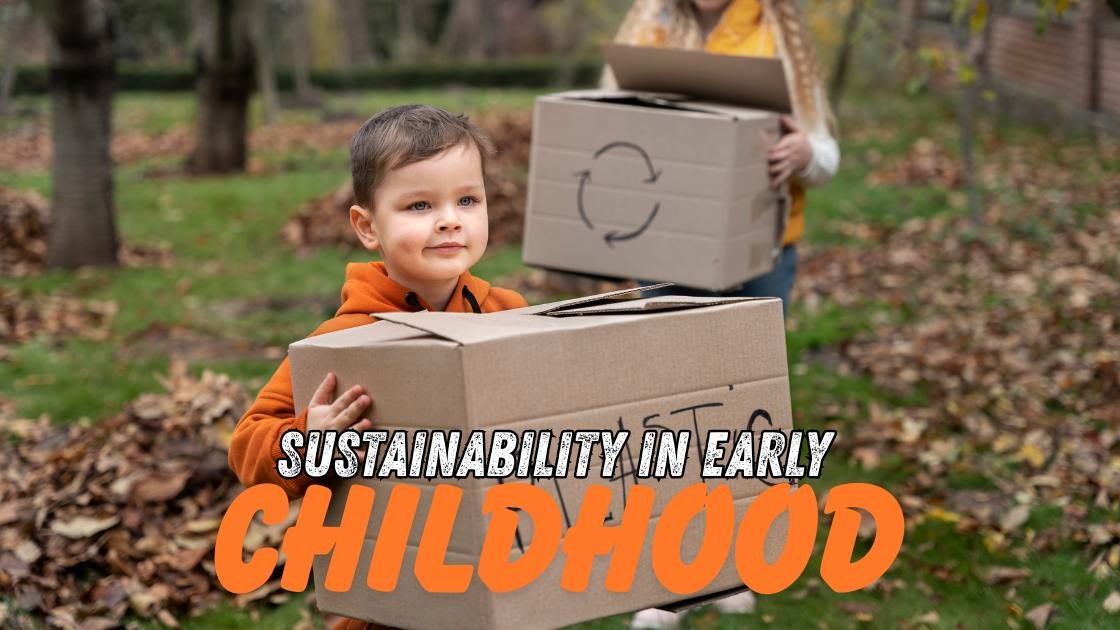
Sustainability in early childhood is becoming a vital focus for educators worldwide as we prepare young minds to care for our planet. Children are naturally curious about the world around them, making the early years an ideal time to introduce environmental awareness and eco-friendly habits.
This article explores why embedding green practices into early childhood curriculum matters more than ever. We will examine how educators can nurture eco-conscious learning in young children, the long-term benefits of teaching environmental responsibility from an early age, and practical strategies that programs can implement today.
By fostering a connection between children and nature, we lay the groundwork for a generation that values and protects our environment. Let’s discover how early education shapes tomorrow’s environmental stewards.
What Is Sustainability in Early Childhood Education?
Sustainability in early childhood refers to teaching young children about environmental responsibility, resource conservation, and respect for nature. It involves integrating eco-friendly practices into daily learning experiences.
This approach helps children understand how their actions affect the world around them. From recycling activities to nature walks, these lessons create meaningful connections between children and their environment.
The Core Principles of Green Education
Environmental education for kids is built on several foundational ideas:
- Respect for all living things
- Understanding natural cycles and ecosystems
- Reducing waste and conserving resources
- Developing empathy for animals and plants
- Taking responsibility for personal actions
These principles guide educators in creating age-appropriate lessons that resonate with young learners.
Why Teaching Environmental Responsibility Matters
Building Lifelong Habits Early
Children absorb information like sponges during their formative years. Introducing eco-conscious learning at this stage creates habits that last a lifetime.
Research shows that attitudes toward the environment form between ages three and six. When children learn to turn off lights, save water, and care for plants early, these behaviors become second nature.
Creating Future Environmental Stewards
Sustainability in early childhood programs nurture the next generation of environmental leaders. Children who understand ecological concepts grow into adults who make informed decisions about the planet.
They become voters, consumers, and professionals who prioritize environmental health in their choices.
Key Benefits of Eco-Friendly Early Learning Programs
Cognitive and Social Development
Green learning activities offer numerous developmental advantages:
- Critical thinking through problem-solving about environmental issues
- Language development when discussing nature and ecosystems
- Mathematical concepts through sorting recyclables and counting natural objects
- Social skills via collaborative gardening and group clean-up projects
- Creativity through nature-based art and imaginative play outdoors
Physical Health Improvements
Nature-based curriculum encourages outdoor play and exploration. Children who spend time outside experience better physical health, stronger immune systems, and improved motor skills.
Fresh air and natural light also support better sleep patterns and emotional regulation.
Emotional Well-being
Connecting with nature reduces stress and anxiety in young children. Caring for plants or animals builds empathy and gives children a sense of purpose and accomplishment.
Practical Strategies for Educators
1. Classroom Activities That Work
Teachers can incorporate sustainable practices for preschoolers through simple daily routines:
- Setting up recycling stations with clear labels and pictures
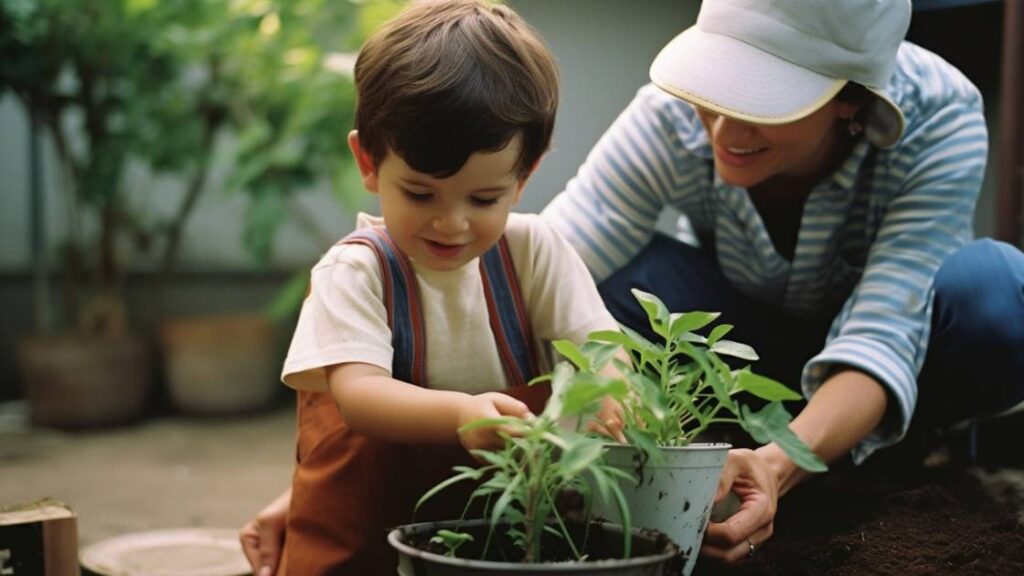
- Creating a classroom garden or plant care station
- Using natural materials for art projects instead of plastic
- Reading books about nature, animals, and environmental care
- Conducting simple science experiments about water and soil
2. Outdoor Learning Opportunities
Nature-based curriculum extends beyond classroom walls. Effective outdoor activities include nature scavenger hunts and observation walks, collecting leaves and studying seasonal changes, composting food scraps from snack time, bird watching and insect exploration, and water conservation demonstrations.
3. Involving Families in the Process
Sustainability in early childhood works best when families participate. Educators can send home eco-friendly activity suggestions, invite parents to gardening days, and share resources about reducing household waste.
This partnership reinforces lessons and creates consistency between school and home environments.
Challenges and How to Overcome Them
Limited Resources and Budget Constraints
Many programs struggle with funding for environmental education for kids. Solutions include using recycled materials for projects, partnering with local environmental organizations, applying for green education grants, and starting small with low-cost initiatives like composting.
Time Pressures in the Curriculum
Educators often feel overwhelmed by existing requirements. The key is integrating eco-conscious learning into activities already planned rather than adding separate lessons.
For example, counting exercises can use natural objects, and story time can feature environmental themes.
Lack of Training and Resources
Professional development opportunities help teachers feel confident delivering green learning activities. Online courses, workshops, and peer mentoring programs provide valuable support.
Real World Examples of Success
Several programs worldwide demonstrate effective implementation. Forest kindergartens in Scandinavia immerse children completely in natural settings. Australian programs incorporate Indigenous knowledge about land stewardship. Urban centers create rooftop gardens and nature corners in limited spaces.
These examples prove that sustainable practices for preschoolers work across diverse settings and budgets.
Conclusion
Sustainability in early childhood education programs play a crucial role in developing environmentally responsible citizens. By introducing eco-friendly learning during the formative years, we build lasting habits that benefit both children and our planet.
From cognitive development to emotional well-being, the advantages are clear and compelling. While challenges exist, practical solutions make implementation achievable for any program.
Educators and families who embrace environmental education for kids invest in a healthier future. The seeds we plant today in young minds will grow into the environmental stewardship our world desperately needs tomorrow.