
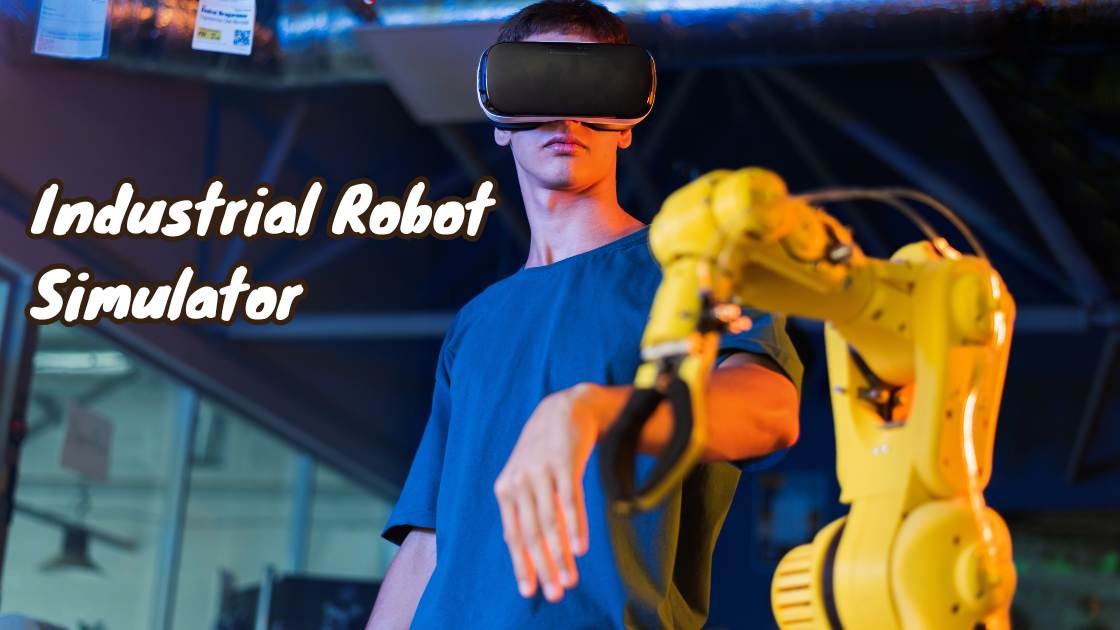
An industrial robot simulator is revolutionizing the way companies prepare their workforce for modern automation challenges. As factories worldwide embrace advanced technology, traditional training methods are becoming outdated and inefficient. Manufacturers now face growing pressure to train employees faster, safer, and more cost-effectively than ever before.
This is where robot simulation software steps in as a game-changer. These virtual environments allow workers to practice complex tasks without risking expensive equipment or workplace accidents. Whether you’re introducing new hires to robotic programming or upskilling experienced technicians, simulation-based learning offers unmatched flexibility.
In this article, we’ll explore how adopting virtual training systems can streamline your manufacturing training program, reduce downtime, and boost overall productivity. You’ll discover practical benefits, real-world applications, and key factors to consider when implementing this innovative solution in your facility.
What Is an Industrial Robot Simulator?
An industrial robot simulator is a software platform that creates realistic virtual environments for training and programming purposes. It allows users to interact with digital replicas of robotic systems without accessing actual machinery. These tools replicate real world conditions, enabling operators to learn robotic programming and troubleshoot issues safely.
Related Article: How Industrial Robotics Technology Is Transforming Modern Manufacturing
How Simulation Technology Works
The technology uses advanced 3D modeling and physics engines to mimic robot movements accurately. Users can design workflows, test sequences, and validate programs before deploying them on physical robots. This approach is commonly known as offline programming, which saves valuable production time.
Modern simulators connect with various robot brands, making them versatile for different manufacturing setups. They provide instant feedback, helping trainees understand cause and effect relationships in automation processes.
The Evolution of Robot Training Methods
Traditional training required hands on access to expensive robotic equipment. This meant production lines had to pause, creating costly downtime. Workers also faced safety risks while learning on active machinery.
From Physical Labs to Virtual Environments
The introduction of robot simulation software changed everything. Companies could now train employees in controlled digital spaces. This shift allowed for unlimited practice sessions without disrupting actual operations.
Today, virtual training systems have become standard in progressive manufacturing facilities. They offer scalable solutions that grow with your workforce needs.
Why Your Training Program Needs Simulation
Implementing an industrial robot simulator brings numerous advantages to your organization. Here are the key reasons to consider this technology.
Enhanced Safety Standards
Safety remains the top priority in any manufacturing environment. Simulators eliminate risks associated with beginner mistakes on live equipment. Trainees gain confidence and competence before touching real robots.
Significant Cost Reduction
Using physical robots for training leads to equipment degradation, possible breakdowns, and lost productivity. Virtual robot training removes these expenses entirely. Your investment in simulation software pays for itself quickly through reduced operational costs.
Accelerated Learning Curves
Interactive simulations engage learners more effectively than traditional methods. Employees can repeat exercises until they master each skill. This hands on digital experience speeds up the workforce development process considerably.
Key Benefits of Simulator Based Training
Organizations worldwide are experiencing remarkable improvements after adopting industrial robot simulator technology. Consider these proven benefits.
- Reduced Equipment Downtime allows production lines to run continuously while training happens separately in virtual environments.
- Standardized Training Programs ensure every employee receives consistent instruction regardless of location or shift schedule.
- Error Free Programming lets teams test and refine code before implementation, preventing costly mistakes on the factory floor.
Improved Employee Retention
Workers appreciate employers who invest in their professional growth. Offering advanced automation training tools demonstrates commitment to employee development. This approach boosts morale and reduces turnover rates.
Flexibility in Training Schedules
Unlike physical robot access, simulators are available around the clock. Employees can practice during convenient times without competing for limited machine availability. This flexibility accommodates diverse learning paces and work schedules.
Common Challenges and Solutions
While adopting an industrial robot simulator offers tremendous value, some obstacles may arise during implementation.
Initial Investment Concerns
Quality simulation software requires upfront spending. However, calculating long term savings reveals substantial returns. Most companies recover their investment within the first year through eliminated downtime and reduced training accidents.
Technical Learning Requirements
Staff members need time to familiarize themselves with new platforms. Choosing user friendly software with strong technical support minimizes this transition period. Many vendors offer comprehensive onboarding assistance.
Real World Applications and Success Stories
Leading manufacturers across automotive, electronics, and aerospace industries rely heavily on industrial robot simulator platforms. These tools support various applications.
- New Employee Onboarding introduces beginners to robotic systems without production pressure.
- Process Optimization allows engineers to test workflow improvements virtually before physical implementation.
- Equipment Integration helps teams prepare for new robot installations through virtual commissioning exercises.
Industry Adoption Trends
The demand for manufacturing automation continues growing rapidly. Companies that embrace simulation technology position themselves ahead of competitors. They build skilled workforces ready for increasingly complex robotic applications.
Investing in proper training infrastructure today prepares your organization for tomorrow’s automation challenges. The industrial robot simulator represents not just a training tool but a strategic asset for sustainable growth.
Conclusion
Adopting an industrial robot simulator is a smart investment for any forward thinking manufacturing organization. This technology delivers safer training environments, significant cost savings, and faster workforce development outcomes. Employees gain practical skills through virtual training systems without risking expensive equipment or production schedules.
As manufacturing automation continues advancing, companies must prepare their teams for evolving demands. Simulation based learning provides the flexibility and effectiveness that traditional methods simply cannot match. By integrating an industrial robot simulator into your training program, you position your business for long term success while building a highly skilled and confident workforce ready for future challenges.


1 Comment
Add Yours →[…] How an Industrial Robot Simulator Can Transform Your Manufacturing Training Program […]