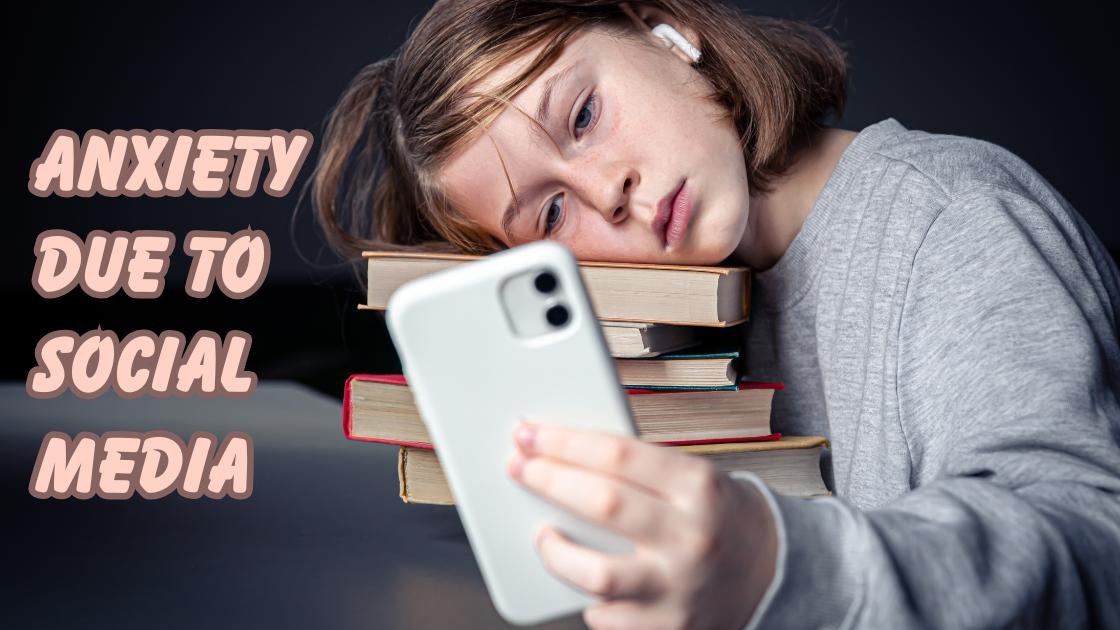
Anxiety due to social media has become a growing concern in today’s hyper-connected world. Endless scrolling, constant notifications, and the pressure to maintain a perfect online image can take a serious toll on your mental health. If you find yourself feeling overwhelmed, stressed, or emotionally drained after spending time on platforms like Instagram, TikTok, or Facebook, you’re not alone.
The good news is that you don’t have to quit social media entirely to feel better. With the right strategies, you can enjoy a healthier relationship with technology while protecting your emotional well-being. This article will share practical, easy-to-follow tips to help you reduce digital stress and regain control over your online habits. Whether you’re looking to set boundaries, practice mindful scrolling, or take a much-needed break, these actionable steps will guide you toward a calmer, more balanced digital life.
How Social Media Impacts Your Mental Health and Emotional State
Before diving into solutions, it’s important to understand why anxiety due to social media happens in the first place. Social media apps are built to capture your attention and hold it for hours. Features like infinite scrolling, push notifications, and algorithm-driven content create a cycle that’s hard to break.
Why Does Social Media Trigger Stress?
Social comparison plays a huge role. When you constantly see curated highlight reels of other people’s lives, it’s easy to feel like you’re falling behind. This can lead to feelings of inadequacy, low self-esteem, and increased digital stress.
Fear of missing out, commonly known as FOMO, also plays a significant role.The constant stream of updates makes you feel like you need to stay connected 24/7. This creates a sense of urgency that heightens stress levels and disrupts your peace of mind.
Practical Strategies to Manage Anxiety Due to Social Media
Now let’s explore actionable tips that can help you take back control of your online habits and improve your emotional well-being.
Set Clear Boundaries for Screen Time
One of the most effective ways to reduce anxiety due to social media is to limit how much time you spend on these platforms. Most smartphones have built-in tools that allow you to track and restrict your daily usage.
- Set a daily time limit for each social media app
- Schedule specific times to check your accounts instead of scrolling randomly
- Turn off non-essential notifications to reduce constant interruptions
These small changes can significantly lower your exposure to stressful content and help you develop healthier digital wellness habits.
Curate Your Feed Mindfully
What you see online directly affects how you feel. Take time to clean up your feed by unfollowing or muting accounts that make you feel anxious, jealous, or unhappy. Instead, follow accounts that inspire, educate, or bring positivity into your life.
Mindful scrolling means being intentional about what you consume. Ask yourself whether the content you’re viewing adds value to your day or drains your energy.
Take Regular Social Media Breaks
Taking a break from social media doesn’t mean you have to quit forever. Even short breaks can make a significant difference in reducing anxiety due to social media. Consider trying the following approaches.
- Start with a 24-hour break once a week
- Delete apps from your phone temporarily during weekends
- Replace scrolling time with offline activities like reading, exercising, or spending time with loved ones
These breaks give your mind a chance to reset and help you realize how much better you feel without constant digital noise.
Practice Mindfulness and Self-Awareness
Being aware of your emotions while using social media is crucial. Notice how certain posts or interactions make you feel. If you find yourself getting anxious or upset, it’s a sign to step away.
Mindfulness techniques like deep breathing, meditation, or journaling can help you process your feelings and reduce tech addiction tendencies. Apps like Headspace or Calm can guide you through quick exercises that restore calm.
The Role of Real-Life Connections in Digital Well-Being
While online interactions have their place, nothing replaces genuine human connection. Spending quality time with friends and family in person can significantly boost your mental health and reduce reliance on virtual validation.
Build a Support System Offline
Talking to someone you trust about your struggles with anxiety due to social media can be incredibly helpful. Whether it’s a friend, family member, or therapist, having support makes the journey easier.
Engaging in hobbies, joining local clubs, or volunteering are great ways to build meaningful relationships outside the digital world.
Recognizing When Professional Help Is Needed
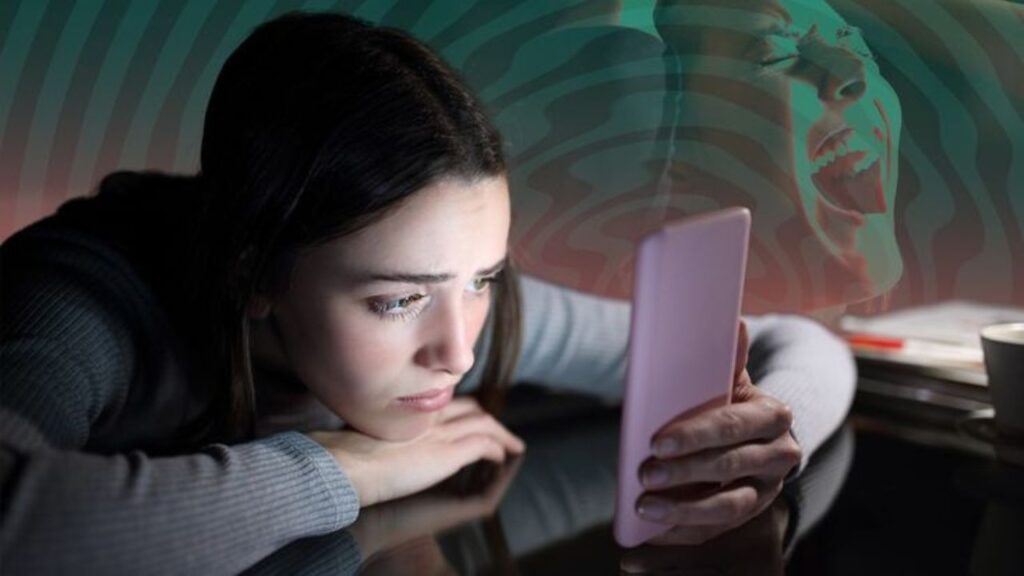
If your anxiety due to social media is severely affecting your daily life, sleep, or relationships, it may be time to seek professional guidance. A mental health professional can help you develop personalized coping strategies and address underlying issues.
Signs You May Need Extra Support
- Persistent feelings of sadness or hopelessness after using social media
- Difficulty sleeping due to excessive screen time
- Withdrawal from real-life activities and relationships
There’s no shame in asking for help. Your emotional well-being matters more than any online presence.
Creating a Healthier Relationship With Technology
Reducing anxiety due to social media isn’t about completely disconnecting. It’s about finding balance. By setting boundaries, curating your feed, taking breaks, and prioritizing real connections, you can enjoy the benefits of social platforms without sacrificing your peace of mind.
You hold the ability to shape how you interact with technology. Small, consistent changes lead to lasting improvements in your overall digital well-being.
Conclusion
Managing anxiety due to social media is entirely possible with the right approach. By setting healthy boundaries, practicing mindful scrolling, taking regular breaks, and prioritizing real-life connections, you can protect your mental health while still enjoying the benefits of online platforms.
Remember, social media should enhance your life, not drain it. Small, intentional changes in your digital habits can lead to significant improvements in your emotional well-being. If your anxiety feels overwhelming, don’t hesitate to seek professional support.
Take control of your online experience today and create a healthier, more balanced relationship with technology. Your peace of mind is worth it.