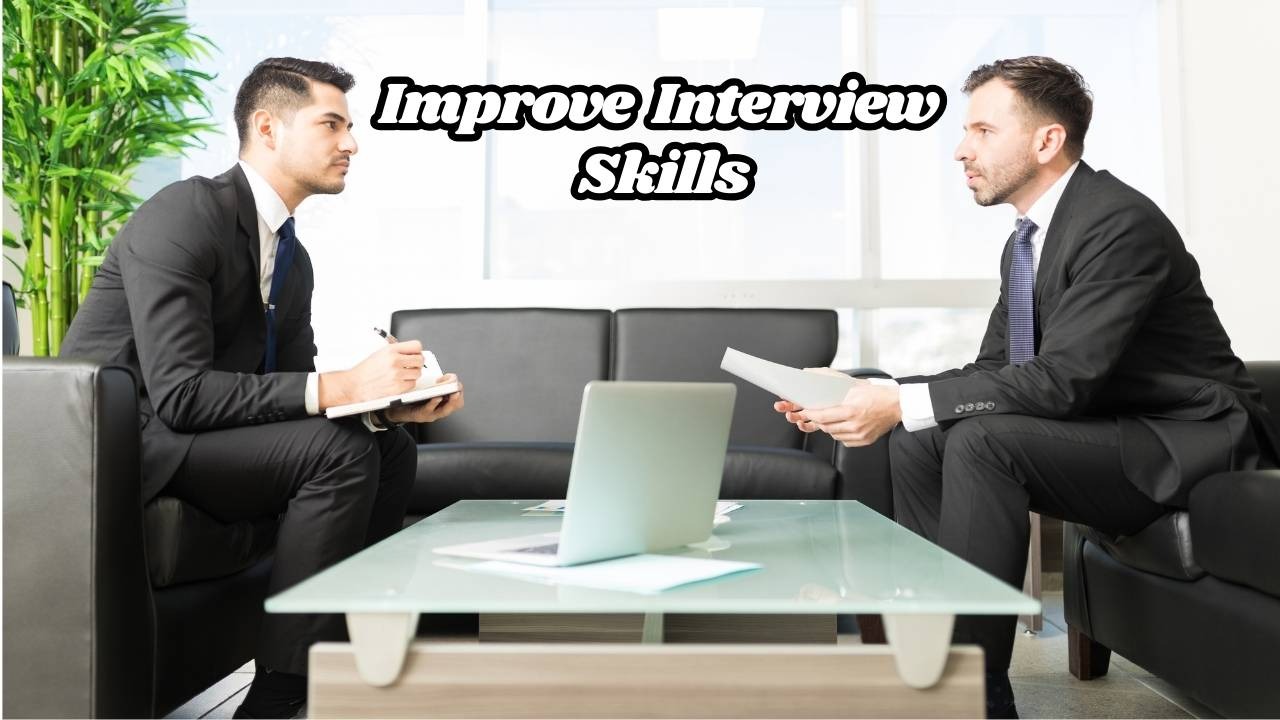
Enhancing your ability to improve interview skills can open doors to new opportunities and boost your confidence in any professional setting. In today’s competitive job market, knowing how to present yourself clearly and confidently is essential.
This article will guide you through practical strategies that strengthen communication, increase confidence, and help you create a strong and memorable impression. You’ll also learn how to use body language, professional communication, interview preparation, career growth, and confidence building to make every interview experience more successful. By the end, you’ll understand how to approach interviews with clarity, calmness, and purpose giving you an edge that can influence hiring decisions and set you apart from other candidates.
Understanding the Core of Improve Interview Skills
Developing the ability to improve interview skills begins with understanding what an interview truly represents a structured conversation where employers assess your suitability and where you showcase your strengths with clarity. Historically, interviews evolved from simple employer–employee chats into today’s more formal and competency-based formats. With rising competition and advanced hiring methods, mastering elements such as communication skills, career development, interview confidence, and professional behaviour has become essential. This section explores the roots of effective interviewing and why they matter in a modern workplace that values preparedness, adaptability, and strategic self-presentation.
Importance of Building Strong Interview Abilities
Improving your interview performance plays a crucial role in shaping your career path. When you consistently work to improve interview skills, you position yourself as a confident and capable candidate. Employers seek individuals who express ideas logically, respond with self-awareness, and display strong professional etiquette. A well-prepared candidate can create powerful first impressions and demonstrate reliability and growth potential.
Strengthening interview abilities also enhances your body language awareness, professional communication, and overall readiness to face challenging questions. These factors collectively improve your credibility and increase your chances of securing the positions you aspire to.
Key Elements Involved in Strong Interviewing
Mastering Verbal and Nonverbal Communication
Effective communication forms the backbone of successful interviews. Your tone, clarity, and choice of words reveal your confidence level and professionalism. Nonverbal cues such as posture, eye contact, and gestures play an equally significant role. Proper alignment of both channels allows you to express ideas naturally.
Enhancing Clarity and Structure
To improve clarity:
•Organize thoughts before responding
•Use simple and precise language
•Maintain a steady, calm tone
These steps contribute to a more compelling and confident interaction.
The Role of Preparation and Practice
Preparation is the foundation of every successful interview. When individuals regularly practice answering questions, their ability to improve interview skills strengthens naturally. Review common interview formats, research companies, and rehearse structured responses.
Strategic Use of Mock Interviews
Mock interviews allow you to:
- Test your communication flow
- Receive feedback from mentors or peers
- Identify areas needing refinement
These simulated settings boost your comfort level and reduce anxiety.
Benefits of Strengthening Your Interview Techniques
Building interview expertise offers multiple career advantages. Individuals who invest time to improve interview skills often experience increased self-confidence, better control during conversations, and enhanced ability to navigate complex questions. Additional benefits include:
•Greater awareness of career growth opportunities
•Improved soft skills development
•Stronger professional presence during the hiring process
This growth enables candidates to align their abilities with organizational expectations and succeed in different interview styles, including panel, behavioural, and virtual formats.
Challenges Faced While Enhancing Interview Abilities
1.Managing Nervousness and Pressure
Many individuals struggle with anxiety, affecting their performance. Recognizing triggers and adopting calming techniques can make a significant impact. Deep breathing, mental rehearsal, and focusing on achievements help reduce pressure.
2.Lack of Experience or Exposure
Beginners may find formal interviews overwhelming. Limited exposure to real scenarios makes it difficult to adapt quickly. Practicing with mentors or using online resources boosts confidence and competence.
3.Difficulty Understanding Employer Expectations
Candidates often lack clarity about what employers seek. Understanding job readiness, workplace behaviour, and performance indicators helps you align responses with expectations.
Techniques to Strengthen Interview Performance
Researching the Company Thoroughly
Comprehensive research shows preparedness and interest. Learning about company values, culture, and recent achievements equips you to tailor responses effectively.
Connecting Personal Strengths to Company Goals
Highlight:
•Relevant skills
•Achievements that match the job description
•Examples demonstrating your initiative
This strengthens credibility and relevance in conversation.
Developing Strong Answering Techniques
Structured responses help you stay clear and focused. Methods like STAR (Situation, Task, Action, Result) help frame experiences with clarity, making your answers more compelling.
Using Examples from Real Experiences
Real examples demonstrate authenticity and problem-solving abilities. They also showcase your growth mindset and adaptability both highly valued by employers.

Real-World Examples of Interview Skill Application
Candidates who actively work to improve interview skills gain noticeable advantages. For instance, a student preparing for their first job interview can use mock sessions and feedback to enhance expression and confidence. Similarly, a professional aiming for a senior role may refine storytelling techniques and emphasize leadership accomplishments.
Such real-world applications highlight the importance of combining self-improvement, professional growth, and consistent practice.
Final Thoughts on Building Interview Excellence
Strengthening your ability to improve interview skills is an ongoing process that requires dedication, practice, and self-awareness. By focusing on communication, preparation, confidence building, and strategic presentation, you elevate your professional identity and increase your chances of success. Through consistent effort, you can transform interviews into opportunities that propel long-term career growth.
Conclusion
Strengthening your ability to improve interview skills is essential for building confidence and presenting yourself effectively in any hiring process. By focusing on preparation, clear communication, and consistent practice, you can handle interviews with greater ease and professionalism. Enhancing elements like body language, interview confidence, and professional communication helps you stand out and make a memorable impression. Whether you’re a beginner or an experienced candidate, continued effort to improve interview skills ensures long-term success and supports steady career growth.