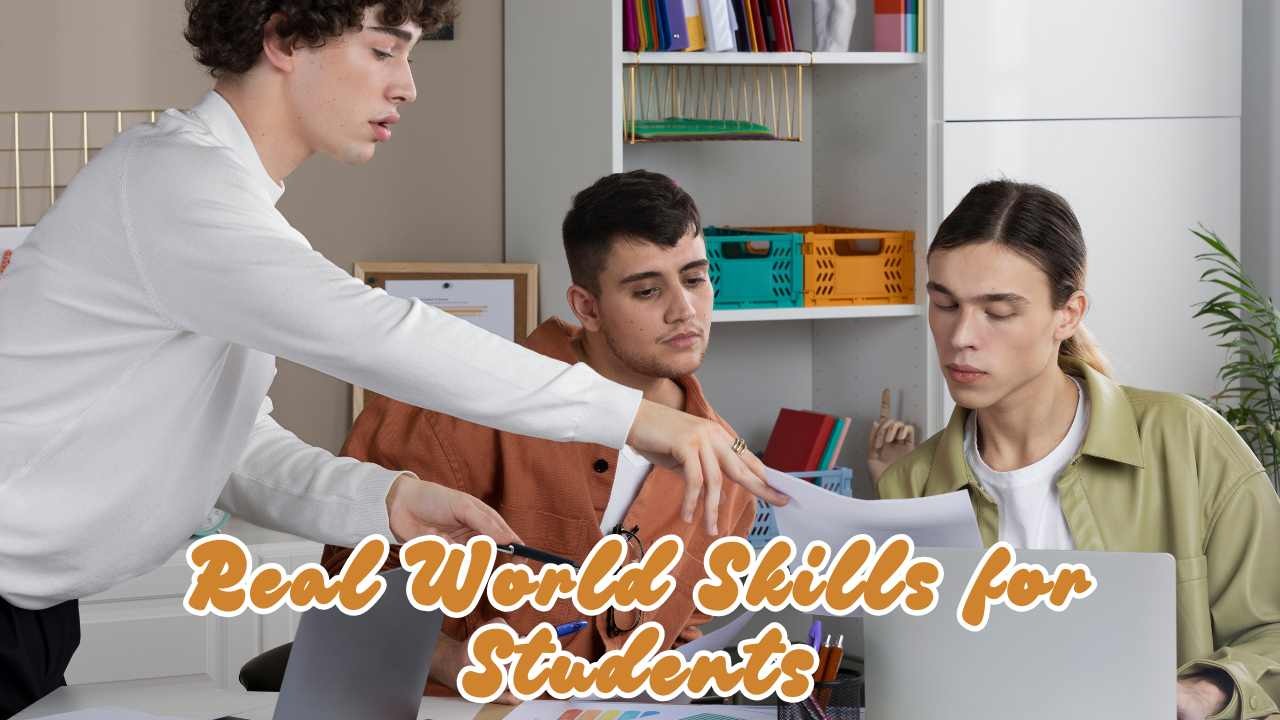
Real world skills for students are no longer optional they are essential for thriving in today’s competitive job market. Mastering abilities like critical thinking, communication skills, problem-solving, time management, and adaptability can dramatically shape a student’s professional journey.
This article explores how acquiring practical skills not only enhances employability but also boosts confidence, decision-making, and leadership potential. From internships to project-based learning, students can leverage these competencies to stand out in real-world scenarios. We will discuss actionable strategies to develop career readiness, highlight the most impactful life skills, and show how integrating these experiences early can transform academic knowledge into tangible career advantages. By the end, readers will understand the direct connection between practical skills and long-term career success.
Understanding Real World Skills for Students
Real world skills for students refer to the practical abilities and competencies that enable learners to navigate life beyond the classroom effectively. Unlike traditional academic knowledge, these skills focus on applying learning to real-life situations, including critical thinking, problem-solving, communication skills, financial literacy, and emotional intelligence. Historically, education emphasized theoretical knowledge, but the modern workforce increasingly demands hands-on capabilities. By fostering these abilities early, students can enhance their career readiness, make informed decisions, and adapt to ever-changing environments. Understanding the scope and importance of these skills is crucial for both educators and learners to ensure holistic development.
The Evolution of Real World Skills
Education has long centered on memorization and exams, but the concept of practical life skills for students has gained prominence over the past few decades. Schools and universities now recognize the importance of integrating teamwork, adaptability, and leadership skills into the curriculum. Programs like internships, apprenticeships, and project-based learning have emerged to bridge the gap between classroom knowledge and professional application. As industries evolve, students must cultivate skills that prepare them for problem-solving challenges, digital literacy, and entrepreneurial thinking. This shift highlights a growing recognition that academic success alone cannot guarantee professional achievements.
Importance of Real World Skills
Developing real world skills for students is not just beneficial it is essential for long-term career growth and personal development. Students with strong practical abilities are better equipped to face workplace challenges, make strategic decisions, and communicate effectively. These competencies enhance employability, foster self-confidence, and allow learners to demonstrate initiative. By integrating time management, collaboration, and adaptability, students can handle multiple tasks efficiently, excel in team environments, and adjust to unexpected circumstances. Moreover, cultivating critical thinking and emotional intelligence ensures that students can approach problems logically while managing stress and interpersonal relationships.
Key Benefits of Real World Skills
The advantages of mastering real world skills for students extend beyond professional success. Some of the most notable benefits include:
- Improved decision-making and problem-solving abilities
- Enhanced communication skills for personal and professional contexts
- Greater career readiness and job market competitiveness
- Increased self-confidence and independence in handling challenges
- Stronger leadership qualities and teamwork efficiency
These benefits collectively empower students to navigate both academic and professional environments effectively. Furthermore, acquiring these skills early helps learners identify their strengths and weaknesses, creating a roadmap for lifelong personal and career growth.
Core Categories of Real World Skills
Communication and Interpersonal Skills
Effective communication skills are at the heart of professional success. Students who can articulate ideas clearly, listen actively, and negotiate constructively are more likely to excel in collaborative environments. Interpersonal skills, including empathy, active listening, and relationship-building, complement communication abilities and ensure successful teamwork.
Critical Thinking and Problem Solving
Critical thinking involves analyzing situations, evaluating options, and making informed decisions. Combined with problem-solving skills, students learn to approach challenges logically and creatively. These abilities are highly valued in workplaces, where practical solutions and innovative thinking drive success.
Leadership and Teamwork
Developing leadership skills enables students to take initiative, inspire others, and manage group dynamics effectively. Equally important is the ability to collaborate through teamwork, respecting diverse perspectives and contributing positively to collective goals. Both competencies prepare learners for managerial roles and complex projects.
Financial and Digital Literacy
Modern careers require not only traditional knowledge but also proficiency in financial literacy and digital skills. Understanding budgeting, investing, and responsible financial planning ensures long-term stability, while familiarity with technology and digital tools enhances career readiness in increasingly tech-driven workplaces.
Time Management and Adaptability
The ability to prioritize tasks, meet deadlines, and adapt to changing circumstances is critical. Time management ensures productivity, while adaptability allows students to thrive in unpredictable or challenging situations. Together, these skills cultivate resilience and professional reliability.
Challenges in Developing Real World Skills
Despite the importance of real world skills for students, several challenges exist. Educational systems may lack resources or structured programs to teach practical abilities effectively. Students often struggle with applying theoretical knowledge in real-life contexts, leading to gaps between academic performance and workplace expectations. Additionally, overemphasis on standardized testing can undermine the development of soft skills, such as emotional intelligence, communication, and team collaboration. Overcoming these challenges requires intentional curriculum design, mentorship programs, and exposure to hands-on experiences.

Examples of Effective Skill Development
Several strategies and examples illustrate how students can develop real world skills:
- Participating in internships or volunteer programs to gain practical experience
- Engaging in project-based learning that simulates workplace challenges
- Joining clubs or student organizations to strengthen leadership and teamwork
- Enrolling in workshops and online courses focusing on digital skills or financial literacy
These approaches provide real-life exposure and foster confidence, problem-solving, and decision-making capabilities.
Conclusion:
In today’s competitive world, mastering real world skills for students is essential for academic success and long-term career growth. By focusing on critical thinking, communication skills, leadership, adaptability, and time management, students can confidently navigate challenges and seize opportunities. Developing these practical abilities not only enhances career readiness but also boosts self-confidence and problem-solving capabilities. Investing in these skills early ensures students are well-prepared for professional environments and life beyond the classroom. Ultimately, cultivating real world skills transforms potential into tangible success and lasting achievement.