Scrolling endlessly, liking posts, and staying “connected” can still leave many people feeling loneliness because of social media, a paradox shaping modern digital life. Platforms designed to bring people closer often replace deep conversations with surface-level interactions, making users compare their real lives with carefully curated online images. Over time, this habit can quietly affect emotional well-being and self-worth.
This article explores how constant online engagement influences mental health, reshapes online relationships, and increases emotional isolation despite virtual connectivity. It will also discuss the role of digital addiction, the pressure of social comparison, and how reduced real-life connections contribute to these feelings. By understanding these patterns, readers can learn why digital spaces sometimes intensify isolation and discover healthier ways to balance online presence with meaningful offline interactions.
Understanding Loneliness in the Digital Age
What Does Loneliness Because of Social Media Mean
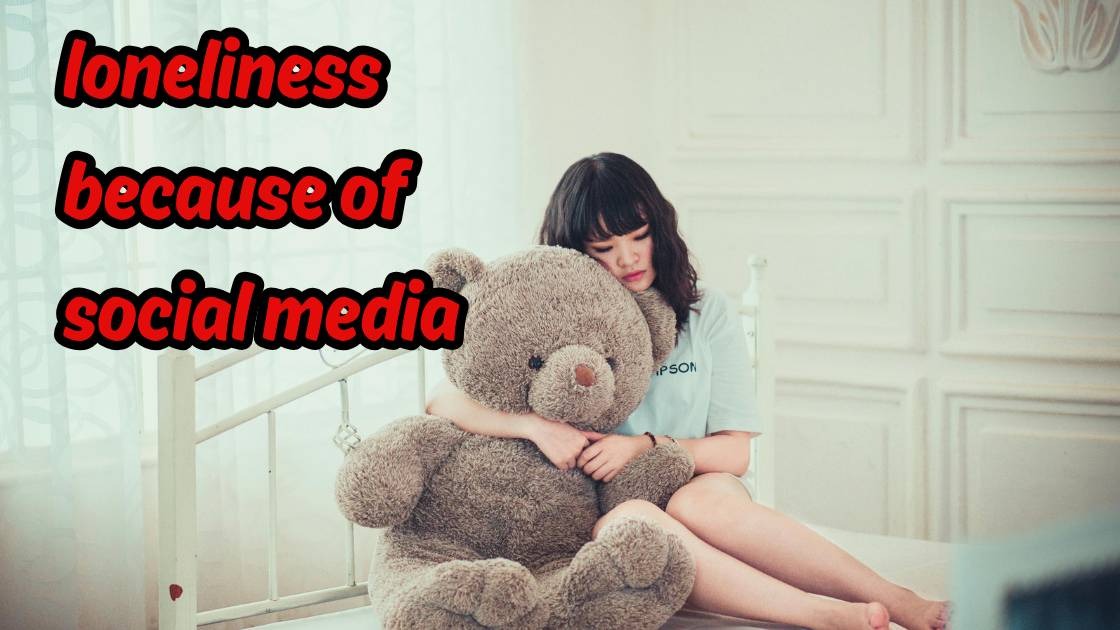
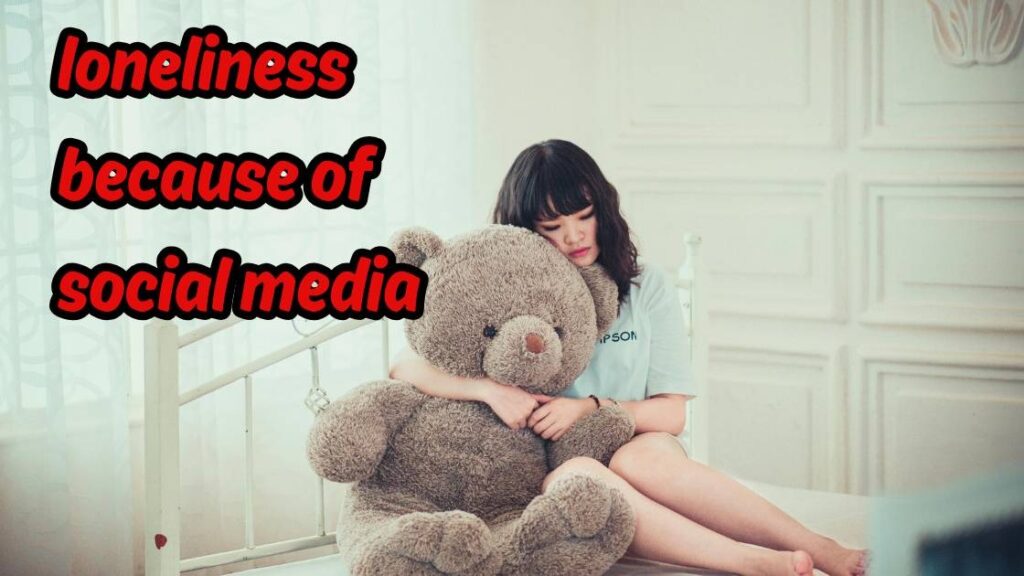
Loneliness because of social media refers to the emotional emptiness people feel despite being constantly connected online. While platforms encourage interaction, they often limit communication to likes comments and short messages. This reduces emotional depth and weakens genuine bonds. Many users interact daily yet still lack meaningful support, leading to growing emotional isolation and declining mental health. This form of loneliness is subtle and develops gradually, making it harder to recognize and address.
Background and Digital Evolution
Social platforms initially focused on reconnecting friends and building communities. Over time, algorithms prioritized engagement and visibility. As a result, curated content and idealized lifestyles became dominant. This shift intensified social comparison and reshaped online relationships. Instead of authentic sharing, users began performing for approval. This historical change explains why loneliness because of social media has increased alongside digital growth.
Why Social Media Can Increase Feelings of Isolation
The Illusion of Constant Connection
Being online all the time creates the feeling of belonging. However, passive scrolling replaces conversation. Users consume content without interacting meaningfully, which weakens emotional ties. This pattern contributes to digital addiction and reduces awareness of real emotions. Over time, loneliness because of social media grows as users mistake visibility for connection.
Social Comparison and Self Perception
Platforms highlight success happiness and beauty. Constant exposure affects self image and confidence. When users compare their daily struggles with others highlight moments, dissatisfaction increases. This process harms self esteem, increases anxiety, and reinforces emotional isolation. As comparison deepens, loneliness because of social media becomes more intense and personal.
Key Features That Contribute to Digital Loneliness
Algorithm Driven Engagement
Algorithms promote content that keeps users scrolling. Emotional reactions are prioritized over meaningful dialogue. This encourages frequent checking and shallow interaction. Users remain busy but not fulfilled, reinforcing loneliness because of social media.
Reduced Face to Face Interaction
Time spent online often replaces in person communication. Even when people meet, devices interrupt attention. This weakens empathy and listening skills. Reduced real life connections directly impact emotional satisfaction and increase feelings of detachment.
Psychological and Social Impact
Effects on Mental and Emotional Well Being
Extended exposure to online validation cycles can lead to stress and anxiety. When approval becomes a measure of worth, emotional balance suffers. Loneliness because of social media is linked with mood swings sleep issues and reduced motivation. These effects highlight the importance of mindful usage.
Impact on Relationships
Digital communication lacks tone and emotional cues. Misunderstandings become common. Over time, friendships may feel distant despite frequent contact. This disconnect strengthens emotional isolation and weakens trust.
Common Patterns That Worsen the Experience
Passive Consumption Habits
Scrolling without interaction increases emotional distance. Users observe rather than engage. This behavior reinforces feelings of exclusion and invisibility.
Validation Seeking Behavior
Chasing likes and comments creates pressure. When expectations are unmet, disappointment follows. This cycle deepens loneliness because of social media and affects confidence.
Practical Ways to Reduce Digital Loneliness
Building Healthier Online Habits
Creating intentional boundaries helps restore balance. Purpose driven use encourages quality interaction over quantity. Limiting exposure to triggering content supports emotional clarity.
Strengthening Offline Connections
Prioritizing real conversations rebuilds trust and empathy. Shared experiences deepen bonds and counteract emotional isolation.
Actionable Steps for Users
- Schedule regular device free time to reconnect with yourself
- Engage actively by commenting thoughtfully instead of passive scrolling
- Curate feeds to include positive and educational content
- Balance online time with hobbies and social activities
- Reflect on emotions after usage to identify unhealthy patterns

Benefits of Mindful Social Media Use
Emotional Awareness and Control
Mindful usage helps users recognize triggers and emotional responses. This awareness reduces dependency and improves mental health.
Improved Relationship Quality
Intentional interaction strengthens trust and understanding. Users experience connection rather than comparison.
Key Benefits at a Glance
•Reduced emotional isolation
•Stronger real life connections
•Lower digital addiction
•Healthier online relationships
•Better emotional balance
Moving Toward a Balanced Digital Life
Loneliness because of social media is not inevitable. Understanding its causes empowers users to make healthier choices. By shifting focus from constant engagement to meaningful interaction, individuals can regain emotional fulfillment. Balancing online presence with offline life helps transform digital tools into supportive spaces rather than sources of isolation.
Conclusion
In today’s connected world, loneliness because of social media has emerged as a quiet yet powerful challenge. The article highlighted how superficial interactions, social comparison, and digital addiction can weaken online relationships and reduce real-life connections, affecting overall mental health. Understanding these patterns is essential to regain emotional balance. By practicing mindful usage, limiting passive scrolling, and prioritizing genuine conversations, users can reduce emotional isolation. Addressing loneliness because of social media is not about quitting platforms but about using them intentionally to support well-being rather than undermine it.