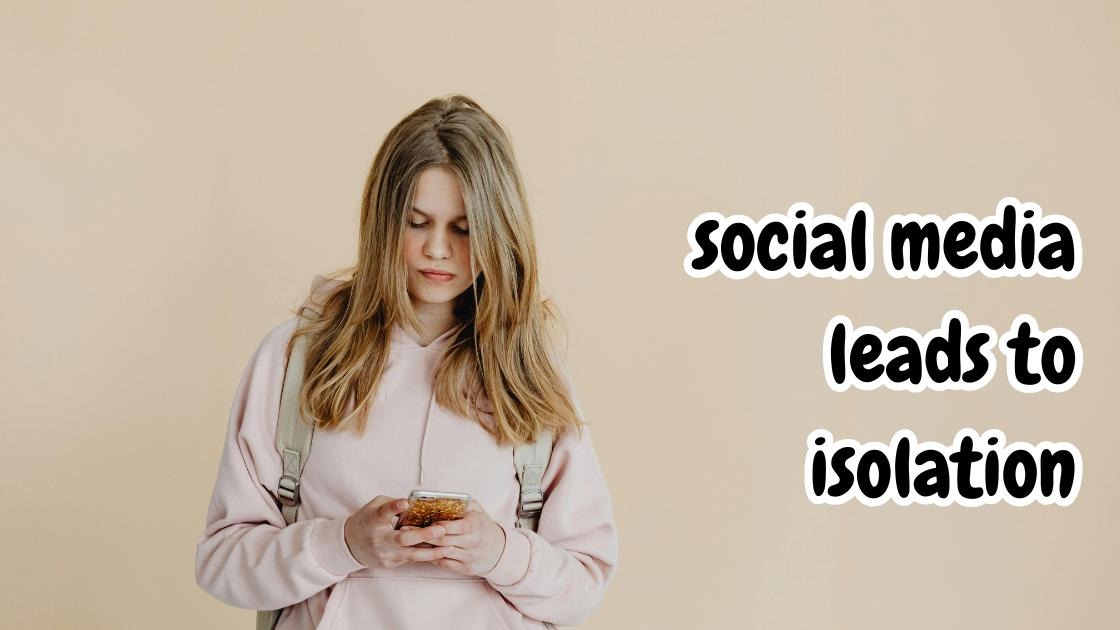
In today’s hyperconnected world, social media leads to isolation more than many realize. While platforms like Facebook, Instagram, and Twitter promise instant connectivity, overuse can create feelings of loneliness, reduce real-life interactions, and even impact mental health. Many users unknowingly replace meaningful conversations with superficial scrolling, causing a sense of emotional distance from friends and family.
This article explores how excessive engagement on social media contributes to isolation, the psychological effects it can trigger, and strategies to maintain a healthy balance between online presence and real-world connections. By understanding the subtle ways digital dependence affects relationships, readers can take proactive steps toward stronger social bonds and improved well-being.
Understanding How Social Media Leads to Isolation
Social media has become an integral part of modern life, offering instant communication, entertainment, and information. However, excessive usage has a paradoxical effect: while it connects people virtually, social media leads to isolation in real life. This phenomenon occurs when users prioritize online interactions over face-to-face communication, reducing opportunities for meaningful social connections. Understanding this issue requires examining its definition, history, and psychological implications.
Definition and Overview
Social media leads to isolation when individuals experience detachment from real-world relationships due to overreliance on digital platforms. Platforms like Instagram, TikTok, and Facebook are designed to encourage constant engagement, creating a cycle where users substitute authentic social interactions with online scrolling. Over time, this can increase feelings of loneliness, emotional detachment, and social withdrawal, affecting mental and emotional well-being.
History and Background
The rise of social media began in the early 2000s with platforms like MySpace and Facebook. Initially celebrated for improving global connectivity, researchers gradually observed a darker side. Studies revealed that prolonged exposure to curated content, endless notifications, and superficial engagement often leads to mental fatigue, comparison stress, and reduced real-life interaction. This background helps explain why social media leads to isolation despite its promise of connection.
Key Features Contributing to Isolation
Several features of social media contribute directly to feelings of isolation:
Algorithmic Feeds and Endless Scrolling
Platforms use algorithmic feeds to keep users engaged. Endless scrolling encourages passive consumption of content rather than active conversation. Users often spend hours comparing their lives to idealized online personas, leading to self-doubt, anxiety, and social disconnection.
Superficial Engagement
Interactions such as likes, shares, and emojis provide a sense of validation but lack the depth of real conversations. Over time, reliance on digital affirmation can replace meaningful human connections, increasing emotional isolation.
FOMO and Comparison Culture
Fear of missing out, or FOMO, drives people to remain online constantly. Continuous exposure to others’ achievements and social highlights fosters feelings of inadequacy, envy, and emotional distance, reinforcing isolation.
Benefits and Advantages of Social Media
Despite its drawbacks, social media offers certain advantages when used mindfully:
1.Instant access to news and information worldwide
2.Opportunities to maintain long-distance relationships
3.Platforms for creative expression and professional networking
4.Community building around shared interests or causes
5.Learning and skill development through tutorials and groups
The key is moderation. When used intentionally, social media can enhance rather than hinder social bonds.
Challenges and Drawbacks
Excessive usage of social media presents several challenges:
Mental Health Impacts
Constant exposure to curated lives can lead to depression, anxiety, and reduced self-esteem. Users may feel inadequate compared to peers, increasing emotional isolation.
Reduced Face-to-Face Communication
Spending more time online diminishes real-world interaction skills. People may struggle with empathy, active listening, and conflict resolution, deepening the isolation caused by digital dependency.
Sleep Disruption and Productivity Loss
Late-night scrolling and notifications can disrupt sleep patterns, reduce focus, and negatively affect work-life balance, indirectly contributing to feelings of isolation.
How Social Media Leads to Isolation
Understanding the process can help mitigate its effects:
- Users engage in prolonged online activity
- Social comparison and FOMO increase stress levels
- Real-life interactions decrease as digital interactions replace them
- Emotional detachment grows from overreliance on virtual affirmation
- Isolation and mental health challenges become more pronounced

Types and Categories of Social Media
Different platforms contribute to isolation in unique ways:
Visual Platforms
Instagram and TikTok focus on visuals, often promoting comparison and unrealistic standards.
Networking Platforms
LinkedIn and Facebook encourage connection but can create pressure to maintain appearances.
Messaging and Community Platforms
WhatsApp, Discord, and Reddit foster communication but can replace in-person interactions if overused.
Recommendations and Tips
To reduce the impact of social media leads to isolation, users can adopt practical strategies:
- Set daily limits for social media usage
- Prioritize face-to-face interactions and quality time with loved ones
- Follow accounts that inspire positivity rather than comparison
- Use platforms for meaningful engagement, such as joining interest-based communities
- Regularly monitor mental health and take breaks when needed
Use Cases and Examples
Many individuals successfully balance social media use without succumbing to isolation. Professionals may schedule short daily usage for networking while reserving evenings for offline activities. Students often combine social media for collaboration and learning while maintaining in-person study groups. These examples demonstrate that mindful usage can prevent emotional detachment and social withdrawal.
Conclusion
In conclusion, social media leads to isolation when excessive use replaces real-life interactions with superficial digital connections. This can increase loneliness, emotional detachment, and negatively impact mental health. However, mindful usage, setting limits, and prioritizing genuine social bonds can prevent these effects. By understanding the signs of digital dependence and adopting practical strategies, individuals can enjoy the benefits of online engagement while maintaining meaningful relationships and overall well-being. Awareness and balance are essential to ensure social media remains a tool for connection rather than a source of isolation.