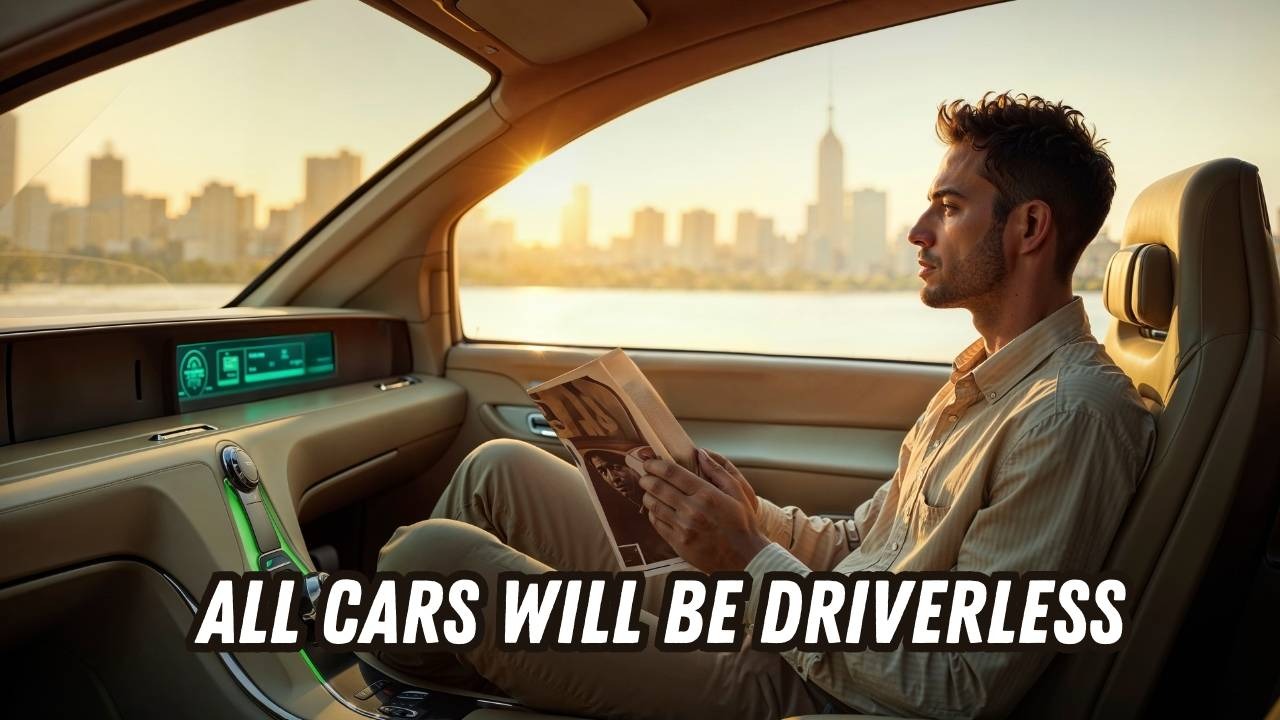
In the future, all cars will be driverless, transforming the way we travel and interact with urban spaces. Imagine a world where commuting is safer, traffic congestion is reduced, and passengers can focus on work or entertainment while all cars will be driverless navigate autonomously.
This article explores the advancements in autonomous vehicles, the technology behind self-driving cars, and how road safety, transportation efficiency, and urban planning will evolve. We will also address challenges like regulations, ethical concerns, and cybersecurity risks, offering a complete perspective on the driverless revolution.
By examining these trends, readers can understand how self-driving cars are set to reshape daily life, influence industries, and redefine mobility. Discover what the future holds for automated transportation and how close society is to embracing fully driverless vehicles.
Understanding Driverless Cars: Definition and Overview
In the future all cars will be driverless, meaning vehicles will navigate roads without human intervention using advanced autonomous driving technology. These cars rely on sensors, cameras, radar, and AI-powered systems to detect their surroundings, make decisions, and safely transport passengers. The concept of self-driving vehicles has evolved over decades, combining innovations in artificial intelligence, machine learning, and robotics. Today, driverless cars promise to revolutionize urban mobility, offering a glimpse of a future where commuting is safer, more efficient, and environmentally conscious.
Background and History of Driverless Technology
The journey toward autonomous vehicles began in the 1920s with simple automated car prototypes and gained momentum in the late 20th century. The 1980s saw significant progress with early research on AI-powered navigation systems. In the 2000s, companies like Google and Tesla introduced advanced self-driving prototypes, demonstrating practical applications. Government support, investments in smart transportation infrastructure, and improvements in sensor technology have accelerated this evolution. Understanding this historical context helps explain why experts predict that in the future all cars will be driverless, reshaping how people interact with transportation.
Key Features of Driverless Cars
Driverless vehicles come equipped with multiple advanced features to ensure safety and efficiency:
- Adaptive Cruise Control: Maintains speed and distance from other vehicles
- Lane Keeping Assistance: Keeps the car within its lane autonomously
- Collision Avoidance Systems: Detects obstacles and prevents accidents
- Real-Time Navigation: AI-driven route planning for time and fuel efficiency
- Passenger Comfort Controls: Adjusts climate, seating, and entertainment automatically
These features demonstrate the combination of technology and convenience, making self-driving cars a practical solution for modern transportation challenges.
Benefits and Advantages
The adoption of driverless cars brings numerous benefits:
- Enhanced Road Safety: Reduces accidents caused by human errors
- Traffic Efficiency: Optimizes flow using smart traffic systems
- Environmental Impact: Minimizes emissions through eco-friendly driving patterns
- Accessibility: Provides mobility for elderly or disabled passengers
- Time-Saving: Allows passengers to focus on work or leisure instead of driving
The integration of autonomous technology ensures a safer and more sustainable transportation future while improving urban mobility.
Challenges and Drawbacks
Despite the promising benefits, in the future all cars will be driverless face several obstacles:
- High Costs: Development and production are expensive
- Regulatory Hurdles: Governments need clear laws for autonomous vehicles
- Ethical Concerns: Decision-making in unavoidable accident scenarios
- Cybersecurity Risks: Vulnerability to hacking or software malfunctions
- Public Acceptance: Hesitation from passengers to trust fully autonomous systems
Addressing these challenges is essential for the widespread adoption of driverless cars.
How Driverless Cars Work
The operation of self-driving cars relies on an integrated system of sensors, AI algorithms, and machine learning models. Vehicles detect obstacles using LiDAR, radar, and cameras. The AI system processes this information to make real-time decisions, including acceleration, braking, and navigation. Continuous updates from cloud-based mapping systems enhance performance and safety. Steps involved include perception, planning, and control, ensuring the vehicle can adapt to complex environments while maintaining passenger safety.
Types and Levels of Automation
Driverless cars are classified based on their automation levels (SAE Levels 0-5):
- Level 0: No automation, full human control
- Level 1: Driver assistance features
- Level 2: Partial automation with human oversight
- Level 3: Conditional automation, human intervenes in complex situations
- Level 4: High automation in restricted areas
- Level 5: Full automation without any human input
Understanding these levels helps policymakers, manufacturers, and consumers prepare for the transition to fully autonomous vehicles.
Real-World Use Cases
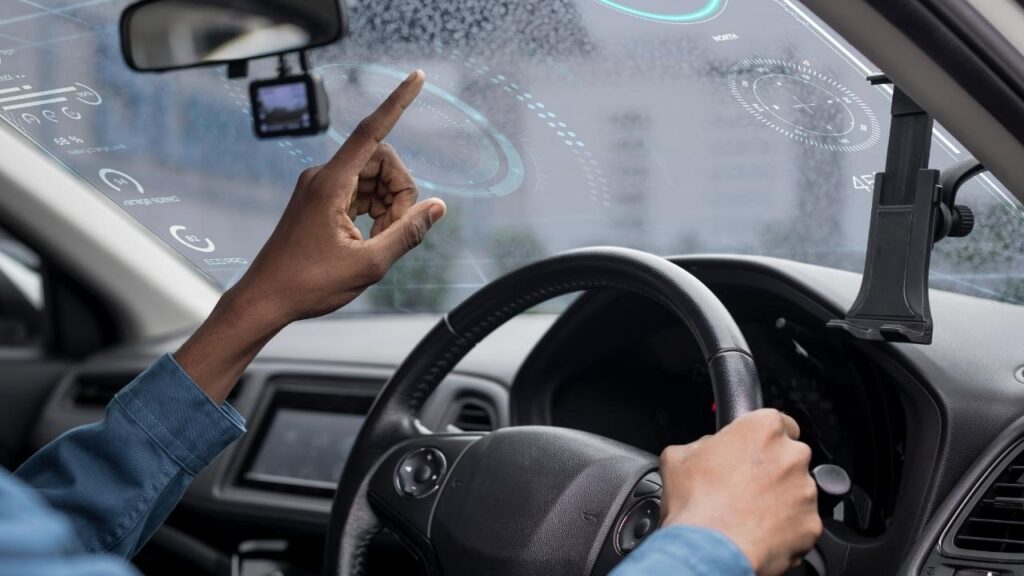
Several industries and sectors are testing driverless technology:
- Ride-Sharing Services: Companies like Uber and Waymo use autonomous taxis
- Delivery Services: Automated trucks and drones for logistics
- Public Transport: Self-driving buses in urban centers
- Mining and Agriculture: Autonomous machinery for efficiency and safety
- Personal Vehicles: Luxury and mainstream brands integrating advanced driverless systems
These examples highlight the practical applications of autonomous technology across industries.
Recommendations for Adoption
To fully embrace driverless cars, stakeholders should focus on:
- Investing in AI and sensor technology
- Developing robust cybersecurity measures
- Updating regulations and legal frameworks
- Educating the public about autonomous vehicle safety
- Integrating smart infrastructure for seamless operations
Strategic adoption ensures a safer and more efficient transition to a future where all cars will be driverless.
Conclusion:
The era of all cars will be driverless is rapidly approaching, promising to transform urban mobility, enhance road safety, and improve overall transportation efficiency. With advancements in autonomous driving technology, smart infrastructure, and AI-powered navigation systems, the way people travel is set to change dramatically. While challenges like regulations, ethical concerns, and cybersecurity risks remain, the benefits of adopting self-driving cars are undeniable. Embracing this innovation can lead to safer roads, reduced traffic congestion, and a more convenient commuting experience. The journey toward fully automated transportation marks a significant milestone in modern mobility.