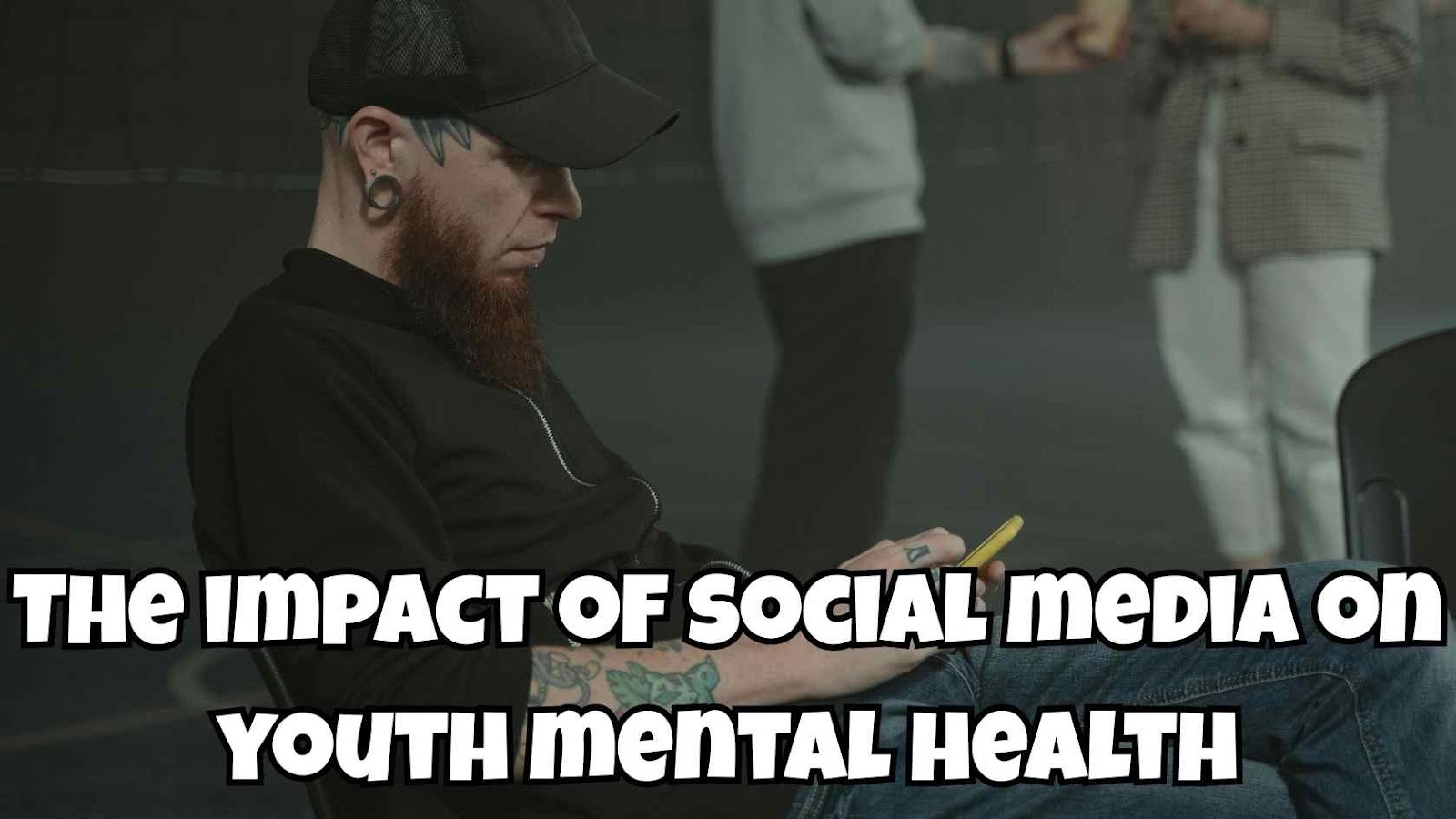
The impact of social media on youth mental health has become a growing concern as digital platforms increasingly shape daily life. Young people now spend hours online, influencing how they think, feel, and connect with others. While social media offers opportunities for creativity and communication, it also raises serious questions about emotional wellbeing.
This article explores how online platforms affect young minds, highlighting both positive influences and hidden risks. It will examine issues such as digital wellbeing, online addiction, self-esteem issues, cyberbullying effects, and screen time influence on emotional development. By understanding these factors, parents, educators, and young users can make more informed choices. The goal is not to demonize technology, but to encourage healthier online habits that support balance, resilience, and long-term mental wellness in today’s fast-paced digital world.
Understanding Social Media and Youth Mental Health
What Social Media Means for Young People Today
The impact of social media on youth mental health refers to how online platforms influence emotions, thoughts, and psychological wellbeing among adolescents and young adults. Social media has become a core part of daily routines, shaping communication, identity, and social validation. From sharing achievements to following trends, young users experience constant exposure to curated content that can affect mood and self perception.
Understanding digital wellbeing is essential because online interactions now blend seamlessly with offline life. When used mindfully, social media can support learning and connection, but excessive or unbalanced use may contribute to emotional strain and stress.
A Brief Background and Evolution
Over the past decade, social platforms have evolved rapidly. What began as simple networking sites has transformed into complex ecosystems driven by algorithms, visual content, and instant feedback. This evolution has intensified screen time influence on young minds. Earlier generations interacted face to face more often, while today’s youth navigate friendships through likes, comments, and shares. This shift explains why the impact of social media on youth mental health has gained global attention among researchers, educators, and parents.
Positive Effects of Social Media on Youth
Connection and Emotional Support
Social media can create meaningful connections, especially for young people who feel isolated. Online communities allow users to share experiences and seek encouragement. This sense of belonging can improve confidence and reduce loneliness when interactions remain positive and respectful.
Learning, Awareness, and Self Expression
Platforms provide access to educational content, mental health awareness campaigns, and creative outlets. Many young users develop skills in communication and storytelling while exploring personal interests. In balanced use, the impact of social media on youth mental health can include increased awareness and empowerment.
Key Benefits at a Glance
1.Access to peer support networks
2.Opportunities for self expression and creativity
3.Increased awareness of mental health topics
4.Strengthening long distance friendships
5.Development of digital communication skills
Negative Effects and Psychological Challenges
Comparison and Self Esteem Issues
Constant exposure to idealized images can lead to self-esteem issues. Young people may compare their real lives to filtered realities, causing dissatisfaction and anxiety. This comparison culture is one of the strongest contributors to emotional distress online.
Cyberbullying and Online Pressure
Cyberbullying effects are more persistent than traditional bullying because harmful content can spread quickly and remain visible. Victims often experience stress, fear, and reduced self worth. Combined with pressure to maintain an online image, this creates emotional exhaustion.
Mental Health Risks to Consider
The impact of social media on youth mental health becomes concerning when usage turns excessive or compulsive. Common challenges include online addiction, sleep disruption, and difficulty focusing. Without boundaries, digital engagement may replace real world interactions essential for emotional growth.
Common Challenges Faced by Youth
1.Excessive screen time and fatigue
2.Anxiety linked to online validation
3.Exposure to negative or harmful content
4.Sleep disturbances from late night use
5.Reduced face to face social skills

How Social Media Influences the Brain and Behavior
The Role of Dopamine and Feedback Loops
Likes, comments, and notifications trigger dopamine responses, reinforcing repeated use. Over time, this reward system can encourage dependency. Understanding how it works helps explain why the impact of social media on youth mental health is closely tied to habit formation and emotional regulation.
Identity Formation in the Digital Age
Adolescence is a critical period for identity development. Online spaces allow experimentation but also invite judgment. Balancing authenticity with privacy is a challenge many young users face, especially under constant public feedback.
Practical Tips for Healthier Social Media Use
1. Building Balanced Digital Habits
Promoting digital wellbeing requires intentional habits. Setting time limits, curating positive content, and taking regular breaks can reduce stress. Encouraging offline activities supports emotional balance.
2. Role of Parents and Educators
Guidance and open conversations help young people navigate online spaces safely. Teaching critical thinking and empathy equips them to handle challenges responsibly.
3. Recommended Practices
The impact of social media on youth mental health can be managed through awareness and proactive steps. Mindful use, supportive environments, and education together create a healthier relationship with technology, allowing young people to benefit from social media while protecting their mental wellbeing.
Conclusion
The impact of social media on youth mental health highlights both meaningful opportunities and serious challenges in today’s digital era. As explored, social platforms can encourage connection, learning, and self-expression, yet they may also trigger self-esteem issues, cyberbullying effects, online addiction, and unhealthy screen time influence. Recognizing these patterns is essential for strengthening digital wellbeing among young people. By promoting balanced usage, emotional awareness, and supportive guidance from parents and educators, society can reduce risks while enhancing benefits. Addressing the impact of social media on youth mental health thoughtfully ensures healthier development, resilience, and long-term emotional stability for future generations.