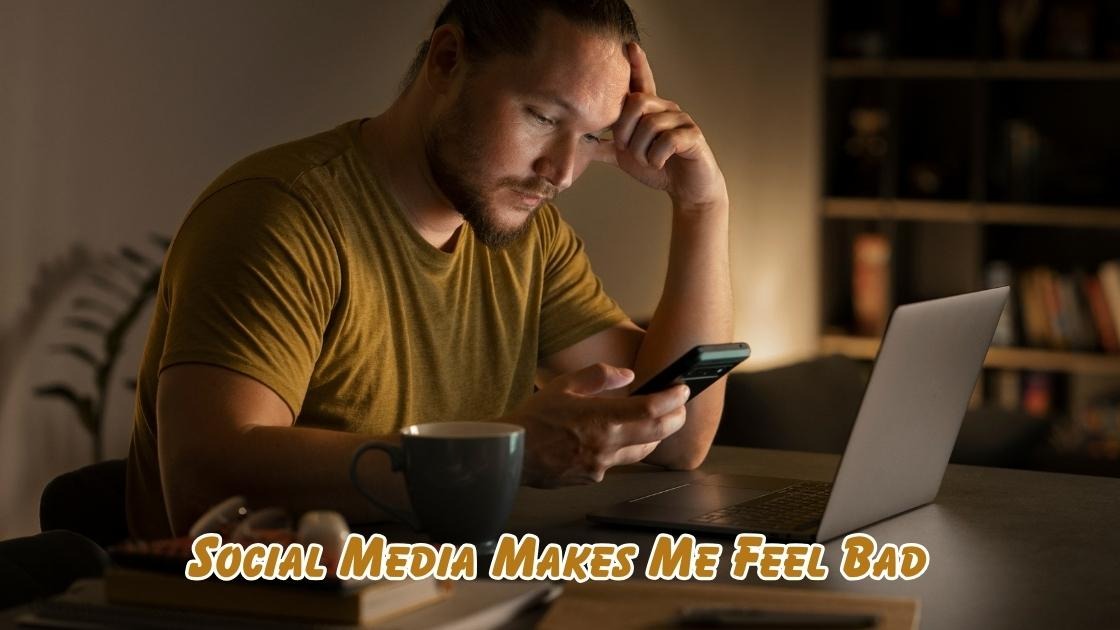
Have you ever closed a scrolling session only to realize that social media makes me feel bad and drained? You aren’t alone; this common “digital funk” is a documented phenomenon in our connected world. While these platforms promise community, they often trigger a cycle of social comparison and FOMO that impacts our mental health more than we realize. In this article, we will dive into the psychological triggers behind this distress, exploring how doomscrolling affects your brain chemistry. We’ll examine the digital well-being strategies necessary to reclaim your peace and explain why your online presence might be causing more harm than good. By understanding these modern stressors, you can finally transform your relationship with the screen.
The Psychological Mechanism: Why Social Media Makes Me Feel Bad
To understand why social media makes me feel bad, we must first look at how these platforms are engineered. From a psychological standpoint, your brain is constantly processing information through a filter of evolutionary survival. In the past, belonging to a tribe was essential for safety. Today, the digital world mimics this tribe, but on a scale that our brains aren’t fully equipped to handle. When we scroll, we aren’t just looking at photos; we are subconsciously scanning for social approval and status.
Modern research suggests that the dopamine loops created by likes and notifications can lead to a state of hyper-arousal. This constant “on-call” feeling is a primary reason why social media makes me feel bad after even short periods of use. Instead of feeling refreshed, we often end up with a sense of cognitive overload. This happens because the brain is forced to switch between different emotions and contexts rapidly, leading to what experts call digital fatigue.
The Toxic Cycle of Social Comparison and FOMO
One of the most significant reasons social media makes me feel bad is the phenomenon of upward social comparison. This occurs when we compare our “behind-the-scenes” lives with the “highlight reels” of others. Even when we logically know that photos are filtered and staged, our emotional brain perceives a gap in our own success or happiness. This gap fuels a sense of inadequacy and fuels the fear of missing out, or FOMO.
How Digital Comparison Impacts Self-Esteem
When I notice that social media makes me feel bad, it is often because I have spent too much time looking at curated lifestyles. This constant exposure creates an unrealistic baseline for what a “normal” life should look like. Over time, this erodes self-esteem and creates a distorted sense of reality. The impact is not just psychological; it can manifest physically as tension, headaches, or disrupted sleep patterns.
The Role of FOMO in Anxiety
The fear of missing out is a powerful psychological trigger that keeps us tethered to our devices. It creates a sense of urgency that forces us to stay connected, even when the interaction is negative. Because social media makes me feel bad by highlighting events we weren’t invited to or milestones we haven’t reached, it creates a persistent state of low-level anxiety that is difficult to shake off without a conscious digital detox.
Identifying the Challenges and Drawbacks of Constant Connectivity
The architecture of the internet is built on the attention economy. Every time I feel that social media makes me feel bad, it is usually a result of an algorithm designed to keep me engaged for as long as possible. These algorithms often prioritize controversial or sensationalist content because it generates the most engagement. This exposure to negativity can lead to doomscrolling, where we compulsively consume bad news.
- Increased feelings of isolation despite being “connected” to hundreds of people.
- A significant decline in the ability to focus on long-form tasks or deep work.
- Heightened sensitivity to social rejection through lack of engagement or likes.
- Distorted body image due to the prevalence of AI-enhanced and filtered imagery.
- Disruption of the natural circadian rhythm due to blue light exposure at night.
Taking Control: Steps Toward Digital Well-being
If you find that social media makes me feel bad on a regular basis, it is time to implement a strategy for digital well-being. Reclaiming your mental space requires a shift from passive consumption to intentional use. By setting firm boundaries, you can reduce the negative psychological impact and use these tools for their original purpose: genuine connection.
Practicing Mindful Scrolling
The next time you realize social media makes me feel bad, stop and ask yourself what specifically triggered the feeling. Was it a specific person’s post or a specific app? Mindfulness allows you to identify these triggers in real time. Once identified, you can use the “mute” or “unfollow” features to curate a feed that inspires you rather than one that drains your energy.
Recommendations for a Healthier Feed
- Unfollow accounts that trigger feelings of inadequacy or negative self-comparison.
- Set specific “tech-free” zones in your home, especially the bedroom and dining area.
- Disable non-human notifications to reduce the urge to check your phone constantly.
- Replace ten minutes of scrolling with a real-world activity like stretching or reading.
- Use app timers to limit daily usage on platforms that cause the most distress.
The Importance of Authenticity and Online Presence
When we realize social media makes me feel bad, it is often because we are chasing a version of an online presence that isn’t authentic. The pressure to perform for an audience creates a “split” in the personality, where the digital self and the real self are at odds. This lack of alignment is a major source of psychological stress in the modern age.
By prioritizing authentic interactions over curated ones, we can lower the stakes of our digital lives. Sharing the mundane or the challenging aspects of life can actually foster deeper connections. When I stop worrying about how I am perceived and focus on being present, I find that social media makes me feel bad much less frequently.
Moving Toward a Balanced Digital Future
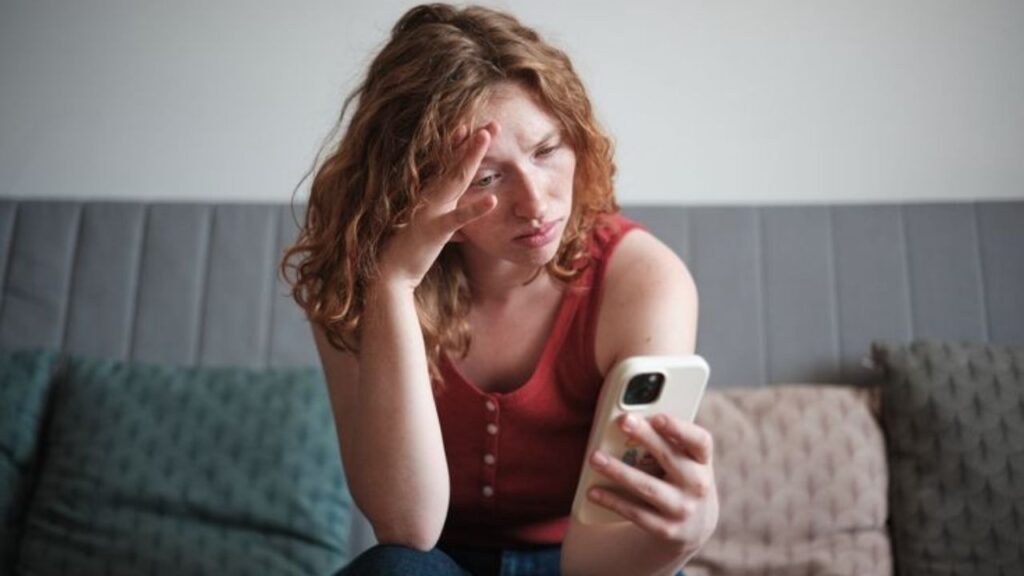
In conclusion, understanding that social media makes me feel bad is the first step toward a healthier lifestyle. We must treat our digital consumption with the same care we treat our physical diet. By recognizing the psychological traps of comparison, the dangers of doomscrolling, and the importance of mental health, we can navigate the digital landscape without losing our sense of self.
Conclusion
In summary, acknowledging that social media makes me feel bad is a vital step toward protecting your mental health in a hyper-connected era. We have explored how social comparison and the mechanics of doomscrolling disrupt our emotional balance. By prioritizing digital well-being and setting intentional boundaries, you can mitigate the anxiety caused by a toxic online presence. Remember, you have the power to curate your feed and reclaim your time. Don’t let the realization that social media makes me feel bad discourage you; instead, use it as a catalyst for a healthier, more mindful lifestyle.