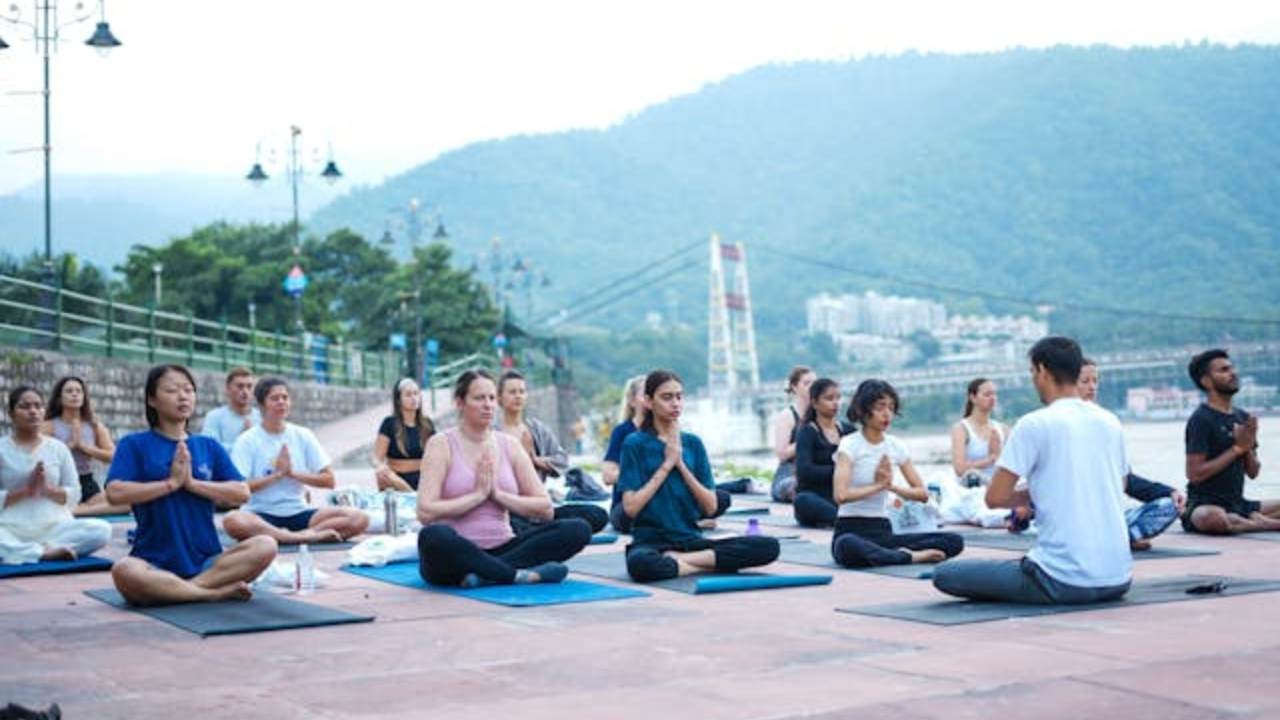
Mindfulness practices for students are structured awareness techniques that train the brain to stay focused on the present moment, reducing the mental noise that fuels academic anxiety. If you are a student scanning this article between study sessions, here is the short answer you need: even five minutes of daily mindful breathing or body scanning can measurably lower cortisol levels, improve working memory, and help you retain more of what you study.
That is not wishful thinking. A 2025 randomized experiment published in Education Economics found that college students who completed brief guided meditations right before exams scored higher than a control group. The researchers concluded that the practice reduced reliance on mental shortcuts, leading to more careful and accurate responses under pressure.
The need for these techniques has never been more urgent. According to the American College Health Association’s Fall 2024 National College Health Assessment, 30% of students reported that anxiety directly harmed their academic outcomes. Roughly 78% experienced moderate to high stress within the previous 30 days. These numbers point to a generation that is smart, driven, and overwhelmed.
This guide breaks down the specific mindfulness exercises that peer reviewed research supports, explains how each one works inside your brain, and gives you a realistic daily schedule so you can start benefiting today.
Table of Contents

Why Student Stress Has Become a Campus Wide Emergency
Student mental health is deteriorating at a pace that alarms educators and clinicians. Understanding the scale of the problem explains why passive advice like “just relax” falls short and why deliberate awareness training matters.
The Healthy Minds Study 2023 to 2024 Data Report tracked a troubling decade long trend: the share of college students reporting positive mental health dropped from 51% in 2013 to 38% in 2024. Over the same period, anxiety symptoms rose to 34%, depression symptoms climbed to 38%, and serious suicidal ideation reached 13%.
These are not isolated feelings. Academic pressure, financial strain, sleep deprivation, and social comparison on digital platforms compound one another. The ACHA’s Spring 2024 data showed that 76% of students reported moderate to high overall stress, while procrastination fueled by that stress negatively affected nearly half of respondents.
Mindfulness based interventions directly target this cycle. Rather than numbing stress or avoiding it, student centered awareness exercises interrupt the stress response at its neurological root.
How Mindfulness Rewires the Student Brain: The Science in Plain Language
Mindfulness is not a vague self help concept. It produces observable changes in brain structure and stress chemistry. Knowing the mechanism makes it easier to trust the process and stay consistent.
The Cortisol Connection
When you perceive a threat, whether that is a charging animal or an upcoming calculus final, your hypothalamic pituitary adrenal (HPA) axis activates and floods your bloodstream with cortisol. A 2025 study in Frontiers in Psychology confirmed that structured mindfulness training reduced emotional exhaustion in university students by nearly 60% and cynicism toward academics by close to 48%, partly by dampening this HPA axis response.
Attention and Working Memory
A meta analytic review by Schutte and Malouff (2019), cited extensively in subsequent Frontiers in Education research, found a small to moderate positive correlation between dispositional mindfulness and academic performance. The link runs through improved attention regulation: students who practice present moment awareness show less mind wandering during lectures and study sessions, which directly supports encoding information into long term memory.
Resilience as the Bridge to Better Grades
Mindfulness does not magically raise your GPA. It builds psychological resilience, and resilience supports performance. A structural equation study published in Sustainability confirmed that mindfulness positively predicted resilience in higher education students, which in turn predicted stronger academic outcomes. Think of it as a chain: awareness practice strengthens your ability to bounce back from setbacks, and that bounce back capacity keeps you productive when coursework gets heavy.
Five Mindfulness Practices for Students Backed by Clinical Research
Below are specific techniques that have been tested in university settings. Each entry includes the method, the evidence behind it, and a step by step walkthrough so you can try it immediately.
1. Box Breathing (Four Square Technique)
What it is: A rhythmic breathing pattern where you inhale, hold, exhale, and hold again for equal counts, typically four seconds each.
Why it works: Controlled breathing activates the vagus nerve, shifting your autonomic nervous system from sympathetic (fight or flight) to parasympathetic (rest and digest) dominance. This lowers heart rate, reduces cortisol output, and restores the prefrontal cortex’s ability to think clearly.
How to do it:
- Sit upright in any quiet spot, feet flat on the floor
- Breathe in slowly through your nose for four seconds
- Hold the air in your lungs for four seconds without tensing your shoulders
- Exhale steadily through your mouth for four seconds
- Hold your lungs empty for four seconds
- Repeat the cycle four to six times
When to use it: Before exams, during study breaks, or any time you notice your thoughts spiraling. Two minutes is enough to reset your nervous system.
2. Body Scan Meditation
What it is: A guided or self directed exercise where you move your attention slowly from your toes to the top of your head, noticing physical sensations without trying to change them.
Why it works: Body scanning trains interoceptive awareness, meaning your ability to sense internal body signals. Research on mindfulness based stress reduction (MBSR) programs shows that heightened interoceptive awareness correlates with lower anxiety reactivity. You learn to notice tension early, before it escalates into a full stress response.
How to do it:
- Lie down or sit in a reclined position
- Close your eyes and take three slow breaths to settle in
- Direct your attention to your feet and notice any warmth, tingling, or pressure
- Gradually shift focus upward through your calves, thighs, abdomen, chest, arms, neck, and face
- Spend roughly 10 to 15 seconds on each area
- If your mind drifts, gently redirect it to the last body part you remember scanning
Ideal duration: 8 to 15 minutes. Works best before sleep or after a long study block.
3. Focused Attention Meditation (Single Point Practice)
What it is: You choose one anchor, usually your breath, a sound, or a candle flame, and return your focus to it every time your mind wanders.
Why it works: This is the technique most closely linked to improved working memory and reduced mind wandering. The Frontiers in Education review noted that studies by Mrazek et al. (2013) found mindfulness training enhanced working memory capacity, partly because it reduced task unrelated thought during cognitively demanding activities.
How to do it:
- Set a timer for five minutes (increase by one minute each week)
- Sit comfortably and close your eyes
- Focus entirely on the sensation of air entering and leaving your nostrils
- When a thought appears, label it silently (“planning,” “worrying,” “remembering”) and return to your breath
- Do not judge yourself for wandering; the act of noticing and returning is the exercise
Best used: In the morning before classes, or as a warm up before deep study sessions.
4. Mindful Journaling
What it is: A daily writing exercise where you spend five to ten minutes recording your thoughts, emotions, and physical sensations without editing or censoring yourself.
Why it works: A 2025 honors thesis from Bowling Green State University tested structured mindfulness journaling against free form journaling among college students. Both groups showed significant reductions in perceived stress, but the mindfulness based group reported sharper gains in emotional regulation. Journaling externalizes anxious thought loops, making them easier to observe and release rather than ruminate on.
A 2025 review in MDPI Social Sciences also noted that brief mindfulness exercises like journaling and mindful breathing offered meaningful benefits to college students who practiced them regularly, particularly when combined with gratitude prompts.
How to do it:
- Open a notebook or phone app immediately after waking or before bed
- Write without stopping for five minutes, describing exactly what you feel physically and emotionally
- Avoid analyzing or fixing anything you write; simply observe and record
- End each entry with one sentence naming something you noticed today that you would normally overlook
Best used: As a bookend to your day. Morning journaling sets intention. Evening journaling processes accumulated stress before sleep.
5. The Pomodoro Mindfulness Hybrid
What it is: A modified version of the popular Pomodoro study method where each 25 minute work block is followed by a five minute mindful awareness break instead of passive scrolling.
Why it works: Standard Pomodoro breaks often involve checking social media, which research links to increased comparison anxiety and fragmented attention. Replacing that habit with 60 seconds of box breathing, two minutes of gentle stretching with attention on muscle sensation, and two minutes of silent observation of your surroundings creates a genuine cognitive reset. This approach merges productivity science with contemplative practice.
How to do it:
- Set a timer for 25 minutes and study with full focus
- When the timer rings, close your books and screens
- Spend the first minute on slow, rhythmic breathing
- Use the next two minutes to stretch your neck, shoulders, and wrists while paying close attention to the physical sensation of each movement
- Sit quietly for the final two minutes and simply notice sounds, light, and temperature around you
- Return to your next study block
Building a Realistic Weekly Mindfulness Schedule
Consistency matters more than duration. Below is a sample weekly plan that fits around a typical student timetable without adding pressure.
| Day | Morning (5 min) | Study Break (5 min) | Evening (10 min) |
| Monday | Box breathing | Pomodoro mindfulness break | Body scan |
| Tuesday | Focused attention meditation | Mindful stretching | Journaling |
| Wednesday | Box breathing | Pomodoro mindfulness break | Body scan |
| Thursday | Focused attention meditation | Mindful stretching | Journaling |
| Friday | Box breathing | Pomodoro mindfulness break | Journaling |
| Saturday | Guided meditation (10 min) | Free | Free |
| Sunday | Guided meditation (10 min) | Free | Body scan |
Start with just the morning column for the first week. Add the study break column in week two and the evening column in week three. Gradual layering prevents overwhelm and builds the kind of sustainable habit that a 2023 Frontiers in Psychology meta analysis by Verhaeghen linked to lasting academic and psychological benefits.
Common Mistakes That Stall Your Progress
Even motivated students abandon awareness training because of avoidable errors. Watch for these pitfalls:
Expecting instant calm. Mindfulness is attention training, not a tranquilizer. Your first sessions may feel restless or boring. That is normal. The skill develops over days and weeks, not minutes.
Treating it as another task to optimize. If you start timing, scoring, or grading your meditation, you have turned a stress reduction tool into another source of performance pressure. The goal is observation, not achievement.
Skipping practice on good days. Students often meditate only when they feel anxious. Practicing on calm days strengthens the neural pathways you will rely on when stress spikes during exam season.
Using only guided audio. Apps are excellent starting points, but building the ability to sit in silence without external prompts develops deeper self regulation skills over time.
Topical Range: Where Mindfulness Intersects With Broader Student Life
Awareness practices do not exist in isolation. They connect to and enhance several other areas that shape a student’s academic journey:

- Sleep hygiene: Body scans before bed reduce sleep onset latency, addressing the fact that over 75% of students sleep fewer than eight hours on school nights according to the ACHA Fall 2024 report.
- Digital wellness: Mindful breaks replace compulsive phone checking, helping students reclaim attention from the nearly six hours of weekly social media use the same ACHA data highlighted.
- Physical fitness: Yoga and tai chi combine movement with breath awareness, offering a dual benefit for body and mind.
- Time management: The Pomodoro mindfulness hybrid directly improves study efficiency by preventing the cognitive fatigue that leads to procrastination.
- Social connection: Group meditation sessions on campus reduce isolation, which the Healthy Minds Study 2023 to 2024 flagged as a growing concern among college populations.
Conclusion
Mindfulness practices for students are not abstract wellness trends. They are evidence backed techniques that reshape how your brain handles pressure, processes information, and recovers from setbacks. The research is clear: brief daily exercises like box breathing, body scanning, focused attention meditation, mindful journaling, and structured awareness breaks during study sessions can lower anxiety, strengthen working memory, and support better grades.
You do not need an hour, a retreat, or a subscription. Five minutes tomorrow morning is a legitimate starting point. The students who benefit most are not the ones who practice perfectly. They are the ones who practice consistently.
Pick one technique from this guide, try it for two weeks, and observe what shifts. If this article helped clarify where to start, share it with a classmate who could use the same clarity.
How long should a student meditate each day to see results?
Most university based studies observe measurable improvements with as little as five to ten minutes of daily practice sustained over two to four weeks. Starting small and building gradually is more effective than attempting long sessions that feel unsustainable.
Can mindfulness actually improve exam scores?
A2025 randomized controlled experiment published in Education Economics found that students who completed brief guided meditations before exams performed better than a control group. The researchers attributed the improvement to reduced reliance on mental shortcuts during complex questions.
What is the best time of day for students to practice mindfulness?
Morning sessions help set a focused tone for the day, while evening body scans support better sleep quality. The most important factor is choosing a time you can maintain consistently rather than searching for an optimal window.
Do mindfulness apps work for students?
Digital mindfulness tools can improve accessibility and offer flexible practice options, as noted in a2025 review published in MDPI Social Sciences. Apps work best as a starting point, but gradually practicing without guided audio builds stronger self regulation skills.
Is mindfulness the same as meditation?
Meditation is one form of mindfulness, but the concept is broader. Mindfulness includes any practice that trains present moment awareness, such as mindful walking, journaling, or even eating a meal with full sensory attention. Meditation is a subset, not a synonym.
Can mindfulness help with test anxiety specifically?
Yes. Controlled breathing techniques activate the parasympathetic nervous system, directly counteracting the fight or flight response that drives test anxiety. Combined with regular focused attention training, students develop the ability to notice anxious thoughts without being hijacked by them during high pressure situations.