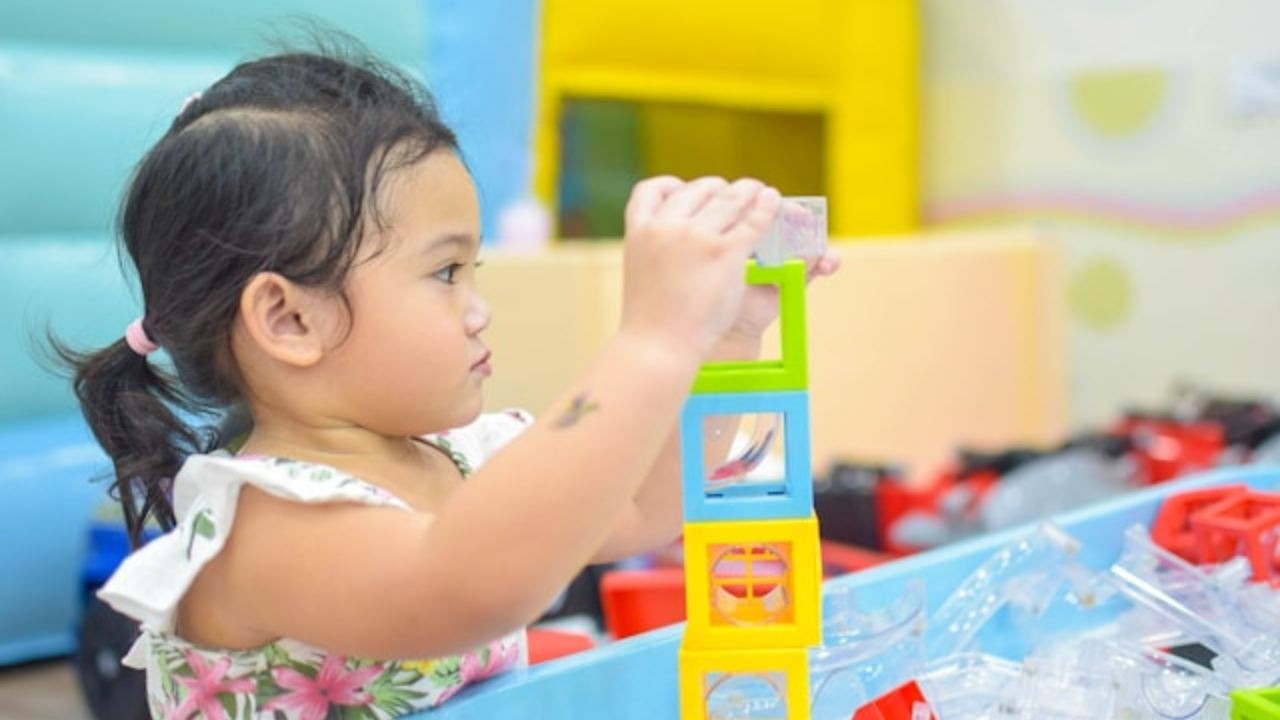
A learn and fun nursery is a thoughtfully designed environment where toddlers absorb new skills through play, sensory exploration, and guided interaction rather than rigid instruction. If you’re a parent or caregiver wondering how to set up a space that genuinely supports your child’s growth, the core answer is straightforward: combine safe, stimulating surroundings with age appropriate materials and daily routines that let children lead their own discovery.
This isn’t just a feel good idea. According to UNICEF, more than one million new neural connections form in a child’s brain every single second during the earliest years of life, a pace that never repeats. The quality of a toddler’s environment during this window directly shapes their learning, health, and behavior for decades to come. A well planned nursery taps into that rapid brain development and turns everyday moments into building blocks for lifelong skills.
In this guide, you’ll find research backed strategies, practical room layout tips, activity ideas sorted by developmental area, and solutions for common challenges like tight budgets and small spaces. Whether you’re designing a home playroom or outfitting a preschool classroom, every section is built to give you actionable steps you can use today.
Table of Contents
What Exactly Makes a Nursery Both Educational and Enjoyable?
A learn and fun nursery blends structured learning goals with child led play so toddlers stay engaged without feeling pressured. The idea sits at the intersection of two well studied approaches: guided play and free exploration.
A 2022 meta analysis by researchers at the University of Cambridge, covered by Edutopia, reviewed decades of evidence and concluded that guided play can produce a greater positive effect on math, shape recognition, and task switching skills than traditional direct instruction alone. The key distinction is that the adult provides gentle direction while the child retains enough freedom to stay curious and motivated.
In practical terms, this means your nursery should offer:
| Element | What It Looks Like | Why It Matters |
| Open ended materials | Blocks, art supplies, loose parts | Encourages creativity and problem solving |
| Defined activity zones | Reading corner, sensory table, movement area | Gives structure without rigidity |
| Adult involvement | Asking open questions, joining play briefly | Scaffolds learning at the right moment |
| Child choice | Toddler picks which zone or toy to use | Builds independence and intrinsic motivation |
When these four elements work together, a nursery stops being just a room with toys and becomes an active learning ecosystem.
Why Play Based Learning Matters More Than Most Parents Realize
Play based learning is not a shortcut or a compromise. It is the most effective way young children absorb complex skills, and the science behind this claim is substantial.
A 2024 systematic review and meta analysis published in Frontiers in Psychology (Alotaibi, 2024) examined multiple studies on game based learning in early childhood and found consistent improvements across cognitive development, social skills, emotional regulation, and engagement levels. Digital and hands on game formats both showed positive outcomes, especially when educators provided appropriate scaffolding.
UNICEF USA reports that over 80 percent of a child’s brain is formed by age 3. That statistic alone explains why the nursery environment carries so much weight. Children who receive stimulation, responsive caregiving, and opportunities for early learning during this period build stronger foundations than those who do not.
Cognitive Benefits
Toddlers who regularly engage in guided play develop stronger reasoning and problem solving abilities. Research from a 2025 study on play based learning strategies found that instructional practices supporting creativity and social interaction were directly linked to measurable gains in children’s reasoning, language use, and cooperative behavior (GRN Journal, 2025).
Social and Emotional Benefits
Sharing toys, taking turns during group activities, and navigating small conflicts during play teach toddlers emotional vocabulary they cannot learn from flashcards. Children who participate in structured play show improved empathy, better impulse control, and greater willingness to collaborate with peers outside their immediate friend groups.
Physical Development Gains
Active play, whether it involves climbing, dancing, or stacking heavy blocks, strengthens both gross and fine motor skills. These physical milestones are closely tied to cognitive progress because coordinated movement requires the brain to plan, execute, and adjust in real time.
How to Design a Learn and Fun Nursery Room Layout
The physical setup of your nursery has a direct impact on how toddlers behave, explore, and learn. A cluttered or poorly organized room leads to overstimulation and frustration. A well zoned space invites calm, focused play.
Step 1: Divide the Room Into Activity Zones
Rather than scattering toys everywhere, create distinct areas with clear purposes. Here is a practical zone plan that works in rooms as small as 10 by 12 feet:
- Quiet reading nook — Soft cushions, a low shelf with board books, and gentle lighting. Place this in the calmest corner away from high energy zones.
- Sensory exploration station — A water or sand table, playdough, textured fabrics, and containers for scooping and pouring. Use a washable mat underneath.
- Creative art area — Crayons, finger paints, large paper, and smocks. Mount a low easel or tape paper directly to the wall at toddler height.
- Building and construction zone — Wooden blocks, magnetic tiles, and stacking cups. A flat, hard surface works best here.
- Movement and music space — Open floor area with a small tunnel, soft climbing ramp, or balance beam. Add a basket of rhythm instruments like shakers and tambourines.
Step 2: Prioritize Safety Without Killing Curiosity
Every learn and fun nursery must be physically safe, but over proofing a room can strip it of the small challenges toddlers need. Follow this rule: eliminate genuine hazards (sharp edges, tipping furniture, choking risks) while preserving manageable challenges (low steps, slightly wobbly stacking towers, textured surfaces).
Essential safety measures include:
- Anchoring all shelves and furniture to the wall
- Using foam or rubber flooring in active play zones
- Covering electrical outlets and securing cords out of reach
- Choosing non toxic, washable art supplies
- Keeping small items (anything smaller than a toilet paper roll) out of toddler zones
Step 3: Use Color and Light Intentionally
Neutral base tones (soft whites, warm grays, natural wood) keep the room calming. Then add controlled bursts of color through toys, artwork, and fabric accents. Avoid painting every wall a different bright shade, as this can overstimulate young nervous systems. Natural light should be maximized wherever possible because it supports healthy circadian rhythms and improves mood.
Daily Activity Schedule for a Learn and Fun Nursery
A structured yet flexible daily routine gives toddlers the predictability they crave while leaving room for spontaneous discovery. Below is a sample schedule you can adapt to your child’s energy patterns and nap times.
| Time Block | Activity Type | Example Activities |
| 8:30 AM | Welcome circle | Songs, greeting rituals, weather talk |
| 9:00 AM | Guided sensory play | Water table exploration, playdough shapes |
| 9:45 AM | Snack and social time | Self feeding practice, table conversation |
| 10:15 AM | Creative expression | Finger painting, collage making, drawing |
| 11:00 AM | Active movement | Dancing, obstacle course, ball rolling |
| 11:30 AM | Quiet wind down | Story reading, puzzles, soft music |
The goal is not rigid time keeping. It is giving toddlers a rhythm they can anticipate so transitions feel smooth rather than jarring. Rotate specific activities within each block weekly to prevent boredom while maintaining the overall structure.
How to Balance Free Play and Guided Activities
Aim for roughly a 60/40 split favoring child led play. Research from the University of Cambridge’s guided play study emphasizes that children need enough autonomy to cultivate curiosity, and too much adult direction actually reduces engagement. Your role during free play is to observe, ask open ended questions, and step in only when a child seems stuck or unsafe.
Budget Friendly Ways to Build a Toddler Learning Space
Setting up a learn and fun nursery does not require expensive specialty furniture or branded educational toys. Many of the most effective learning materials cost little or nothing at all.
Household Items That Double as Learning Tools
- Cardboard boxes become tunnels, houses, sorting bins, and pretend vehicles
- Wooden spoons and pots create a music station that toddlers adore
- Fabric scraps of different textures work as a sensory matching game
- Empty plastic bottles filled with rice, beans, or water become shakers and discovery bottles
- Old magazines supply images for cutting, sorting, and collage projects
Where to Find Affordable Supplies
Thrift stores, community swap groups, and local library toy lending programs are excellent sources. Many public libraries now circulate activity kits designed for toddler development alongside books. Dollar stores carry basic art supplies, storage bins, and foam mats at a fraction of retail prices.
Common Mistakes Parents Make When Setting Up a Nursery
Even well intentioned caregivers fall into a few predictable traps. Recognizing these early saves time, money, and frustration.
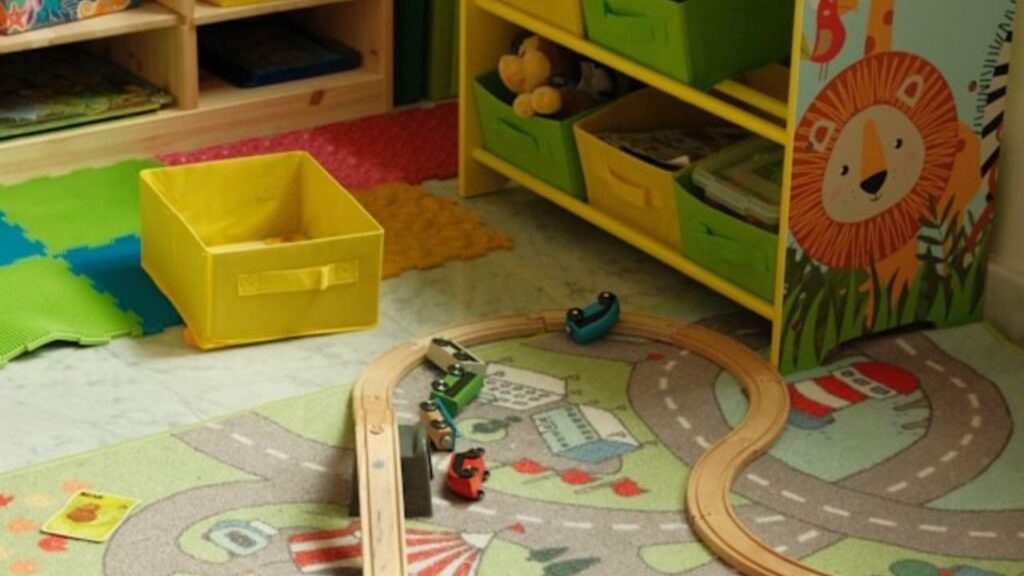
- Overloading the room with toys — Too many options overwhelm toddlers and shorten attention spans. Keep five to eight items accessible and rotate the rest from storage every week.
- Choosing screen based activities as a default — While some educational apps have value, the Frontiers in Psychology meta analysis (Alotaibi, 2024) notes the importance of balancing screen based activities with hands on play, outdoor time, and social interaction.
- Ignoring the child’s current interests — A toddler obsessed with animals will engage far more deeply with animal themed puzzles and books than with generic alphabet drills. Follow the child’s lead.
- Skipping outdoor time — Nature offers sensory richness no indoor space can replicate. Even 20 minutes of outdoor exploration daily supports physical coordination, mood regulation, and immune health.
Topical Range: Related Areas Worth Exploring
If you are building expertise around early childhood learning environments, these connected topics will deepen your understanding and help you make better decisions for your nursery:
- Montessori vs. Reggio Emilia approaches for toddler classrooms
- Sensory processing and how it affects play preferences
- Toddler nutrition and its link to cognitive focus during play
- Inclusive nursery design for children with developmental differences
- Outdoor classroom concepts and nature based early learning
- Parent involvement strategies that extend nursery learning into the home
Each of these subjects directly influences how effective a learn and fun nursery becomes in practice.
Conclusion
A learn and fun nursery is not a luxury or a trend. It is a research supported approach to giving toddlers the strongest possible start during the most rapid phase of brain development they will ever experience. By creating defined activity zones, choosing open ended materials, following a flexible daily routine, and letting your child’s curiosity guide the way, you build a space where growth happens naturally.
You do not need a large budget or a perfect room. You need intention, consistency, and a willingness to observe what your toddler actually responds to. Start with one zone this week, add a second next week, and adjust based on what you see. The evidence from UNICEF, the University of Cambridge, and multiple peer reviewed studies all point to the same conclusion: when young children play with purpose in a supportive environment, they thrive.
If this guide helped you plan your nursery, share it with another parent or caregiver who could use these ideas. Drop a comment below with your favorite toddler activity or a question about setting up your own space.
What age group benefits most from a learn and fun nursery?
Children between one and four years old benefit the most because this period coincides with the fastest phase of brain development.UNICEF reports that over 80 percent of the brain is formed by age three, making the nursery environment especially impactful during toddlerhood.
How much space do I need to set up a toddler learning nursery at home?
You can create an effective play based learning space in as little as 100 square feet by using clearly defined zones and vertical storage. The quality of materials and how you organize them matters far more than total room size.
Is play based learning as effective as structured teaching for toddlers?
Yes, and in many areas it outperforms traditional instruction. The University of Cambridge’s review of decades of research found that guided play produces stronger results in math, spatial reasoning, and cognitive flexibility than direct instruction alone.
What toys are best for a learn and fun nursery?
Open ended toys like wooden blocks, stacking cups, playdough, art supplies, and simple puzzles consistently outperform electronic gadgets for toddler development. The best toys invite multiple uses and encourage the child to create rather than passively watch.
How often should I rotate toys in a toddler nursery?
Rotating toys every one to two weeks keeps the environment fresh without causing the overwhelm that comes from having too many options available at once. Store unused items out of sight and reintroduce them later as though they are brand new.
Can I create a learn and fun nursery on a tight budget?
Absolutely. Household items like cardboard boxes, kitchen utensils, fabric scraps, and recycled containers serve as excellent learning tools. Thrift stores, library lending programs, and community swap groups help fill gaps without significant spending.