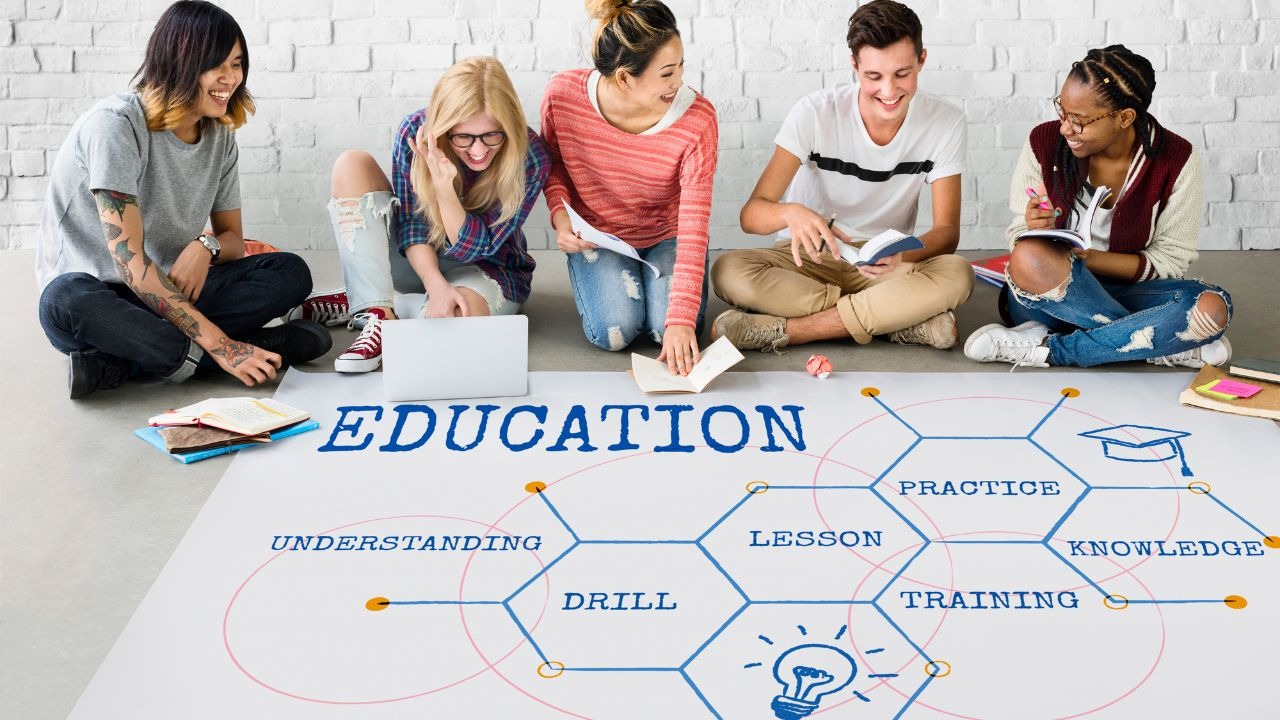
Youth empowerment through education is the intentional process of giving young people access to knowledge, critical thinking tools, vocational abilities, and civic awareness so they can shape their own futures with confidence. It extends well beyond textbooks and classrooms. Genuine educational empowerment includes mentorship, digital skill building, leadership development, and community engagement that together prepare young individuals to participate fully in economic, social, and political life.
When learning is paired with hands on experience, students move from passive receivers of information to active decision makers. They gain self belief, analytical capability, and the ability to solve complex problems independently.
Table of Contents
Why Empowering Young People Through Education Is Urgent
The scale of the global youth population makes educational empowerment a pressing priority. According to the United Nations, approximately 1.2 billion people between the ages of 15 and 24 currently make up about 16% of the world’s population. By 2030, this number is expected to grow to nearly 1.3 billion. Yet millions of these young individuals still lack access to safe, quality schooling and meaningful skill development programs.
The economic argument for investing in youth education is equally compelling. Research published by the World Bank confirms that each additional year of schooling generates roughly a 9 to 10% increase in individual earnings. (World Bank Education Blog) This return on investment is even higher in low income countries, where educated individuals contribute disproportionately to household stability and broader economic growth.
Beyond wages, educated youth are more likely to vote, volunteer, challenge social injustice, and contribute to innovation within their local economies.
Core Pillars That Make Youth Education Empowering
Effective educational empowerment rests on several interconnected foundations. Without any one of these, the impact of learning diminishes significantly.
Equal Access and Inclusion: Barriers like tuition costs, geographic isolation, gender discrimination, and disability exclusion prevent millions of young people from entering or staying in school. Removing these obstacles is the essential first step toward empowerment. Sustainable Development Goal 4 specifically calls for inclusive and equitable quality education and lifelong learning opportunities for all. (United Nations Youth Page)
Relevant and Modern Curriculum: Curricula built around rote memorization leave students unprepared for the demands of modern workplaces. Empowering education blends academic instruction with financial literacy, environmental awareness, digital skills, and emotional intelligence.
Mentorship and Personal Guidance: Mentoring relationships between students and caring adults dramatically improve educational outcomes. Research from the nonprofit organization MENTOR shows that mentored youth are significantly more likely to pursue higher education and engage in community service. (MENTOR)
Safe and Supportive Learning Spaces: Young people cannot focus on growth if they feel physically or emotionally threatened at school. Addressing bullying, harassment, and violence within educational institutions is critical.
Student Agency and Participation: When young people actively contribute to decisions about their own learning, through student councils, peer leadership, and community projects, they develop accountability, ownership, and confidence that lasts well beyond their school years.
How Quality Education Develops Young Leaders
Leadership is one of the most valuable outcomes of empowering education. Programs that incorporate group collaboration, public speaking, debate, student governance, and service learning naturally build leadership capacity.
Through these experiences, young people practice persuasion, conflict resolution, team management, and strategic thinking. These competencies are not reserved for future executives. They are practical life skills that improve personal relationships, career readiness, and civic engagement.
UNESCO’s work on global citizenship education reinforces this point. Students who learn through participatory and collaborative methods consistently demonstrate stronger leadership behaviors than those educated through passive, lecture only formats. The method of teaching is just as consequential as the content being taught.
Digital Education: Expanding Access and Opportunity for Youth
Technology has fundamentally changed how young people encounter knowledge. Online platforms, educational apps, and virtual classrooms have broken geographic and economic barriers that once limited learning to those with physical access to well funded schools.
Platforms such as Khan Academy and Coursera deliver free, high quality course content to millions of learners in underserved regions. Mobile learning solutions have proven especially transformative in rural parts of Sub Saharan Africa and South Asia, where traditional school infrastructure is sparse or nonexistent.
Yet access to devices alone is not enough. Digital empowerment requires digital literacy: the ability to evaluate information critically, protect personal data online, identify misinformation, and use technology ethically. Without these skills, access to the internet can expose young people to harm rather than opportunity.
Vocational Training: A Practical Path to Youth Empowerment
University education is not the only route to a productive life. Vocational training and skill based learning offer young people direct, practical pathways to employment and self sufficiency. Programs in trades like welding, tailoring, coding, graphic design, agriculture, and healthcare equip students with marketable abilities that match local economic needs.
The importance of vocational education becomes clear when examining global youth employment data. According to the International Labour Organization’s World Employment and Social Outlook: Trends report, youth unemployment reached 12.4% in 2025, with approximately 260 million young people classified as not in education, employment, or training (NEET). (ILO Trends Report)
Countries like Germany and Switzerland have long used dual education systems that split student time between classroom learning and workplace apprenticeships. These models consistently produce lower youth unemployment rates and stronger workforce readiness compared to education systems that focus exclusively on academic tracks.

Government and NGO Programs Driving Educational Empowerment
Large scale youth education reform requires coordination between governments, international organizations, and grassroots initiatives. Several programs around the world demonstrate what is achievable when these actors work together.
UNICEF’s education programs operate in conflict zones and rural regions across dozens of countries, delivering learning materials, training teachers, and building safe school infrastructure. Their interventions have helped bring millions of out of school children back into formal learning environments.
The African Union’s Continental Education Strategy has set a framework for transforming education across 55 member states by emphasizing science, technology, and innovation. At the community level, Teach For All operates in over 60 countries, placing trained educators in underserved schools to close learning gaps from the ground up.
Government scholarship programs, subsidized school meals, and free textbook distribution also play vital roles in keeping young learners enrolled, especially in low income communities.
Success Stories That Show Youth Empowerment in Action
Real world examples illustrate the transformative power of education when it reaches young people effectively.
Malala Yousafzai’s advocacy for girls’ education in Pakistan catalyzed a global movement. The Malala Fund has since invested in education projects across Brazil, India, Nigeria, and other countries, focusing on removing barriers to girls’ schooling.
In Kenya, the microfinance platform Kiva has funded thousands of small loans for young entrepreneurs who leveraged their education to launch businesses in agriculture, technology, and retail. These individual success stories generate employment and economic activity that ripple outward through entire communities.
At the grassroots level, youth led peer tutoring networks in countries like the Philippines and Colombia have created self sustaining models where older students mentor younger ones, demonstrating that educational empowerment can thrive without heavy reliance on external funding.
Challenges That Still Hold Youth Education Back
Despite measurable progress, deeply rooted obstacles continue to prevent millions of young people from accessing quality education.
Poverty remains the most significant barrier. In low income households, families often pull children out of school to generate immediate income, sacrificing long term opportunity for short term survival. Gender inequality amplifies this problem, with girls disproportionately affected across South Asia and Sub Saharan Africa.
According to UNHCR’s 2025 Refugee Education Report, approximately 46% of the world’s 12.4 million school aged refugee children remain out of school, meaning 5.7 million young refugees are missing out on formal education entirely. (UNHCR Education Report)
Teacher shortages, crumbling infrastructure, and inadequate government spending on education further weaken school systems in developing nations, making sustained empowerment difficult without international cooperation and investment.
Practical Steps Communities Can Take Right Now
Empowering youth through education does not always require massive budgets or government intervention. Communities can begin with targeted, affordable actions that yield real results.
Local libraries and community centers can organize free tutoring sessions, coding workshops, and reading programs. Parents and guardians can attend school board meetings and push for more inclusive policies. Small businesses can offer internship or apprenticeship spots to students, connecting classroom theory with workplace reality.
Religious organizations, sports clubs, and neighborhood groups can integrate educational activities into their existing programming, reaching young people who may not engage through formal school channels.
Conclusion
Youth empowerment through education is an ongoing commitment, not a single program or policy. It requires sustained investment in access, quality, mentorship, digital tools, vocational training, and safe learning environments. Every layer of support strengthens the foundation on which young people build their confidence, careers, and contributions to society.
The data is clear: educated youth earn more, participate more in civic life, and create stronger communities. The question is not whether investing in youth education works. The question is whether we will act quickly enough to reach the millions still left behind.
Share this article with educators, parents, and community leaders who care about the next generation. Start a conversation about what your own community can do to better support young learners. Progress begins with one informed decision.
What does youth empowerment through education mean?
Youth empowerment through education means providing young people with knowledge, practical skills, mentorship, and supportive environments that enable them to make confident, informed decisions about their lives. It combines formal schooling with real world application and personal development.
Why is education critical for empowering youth?
Education gives young people the analytical and vocational skills needed to secure employment, escape poverty, and participate meaningfully in society. It also builds self confidence and opens pathways to leadership roles and civic responsibility.
What are the main barriers to youth education globally?
Poverty, gender discrimination, armed conflict, teacher shortages, and inadequate school infrastructure are the most persistent barriers. These challenges disproportionately affect young people in developing countries and displaced populations.
How does digital education support youth empowerment?
Digital platforms expand access to learning far beyond physical classrooms, reaching young people in remote and underserved areas. However, effective digital empowerment also requires teaching critical evaluation of online information and responsible technology use.
Which organizations lead global youth education efforts?
UNICEF, UNESCO, the World Bank, UNHCR, the Malala Fund, and Teach For All are among the most prominent organizations investing in educational access, quality improvement, and policy reform for young populations worldwide.
How can local communities support youth education without large budgets?
Communities can create free tutoring programs, establish peer mentorship networks, advocate for inclusive school policies at local government meetings, and partner with businesses to offer internship opportunities for students.