
The impact of AI on jobs has transformed how people work, learn, and adapt in the modern world. As automation and smart technologies evolve, traditional career paths are being reshaped while new roles emerge in data analysis, digital innovation, and creative problem-solving. Employees today face the need to upgrade their skills and embrace continuous learning to stay relevant in an AI-driven workplace.
Related Article: Future Jobs with AI: Essential Skills Every Professional Must Master for Success
This article explores how artificial intelligence is redefining job markets, the importance of reskilling and upskilling, and the growing demand for digital literacy across industries. From tech experts to creative professionals, everyone is part of this transformation, one that blends human intelligence with machine efficiency to create a new world of work filled with opportunities and challenges alike.
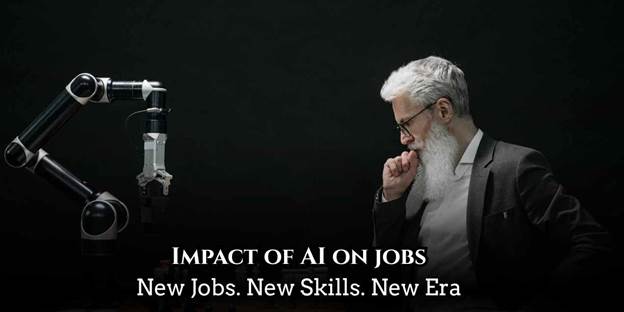
Understanding the Shift in Modern Workplaces
The impact of AI on jobs has become one of the most talked-about transformations of the 21st century. From manufacturing to marketing, artificial intelligence is revolutionizing how work is done, automating repetitive tasks, and introducing new, technology-driven career paths. This change is not only about replacing roles but also about redefining them to align with digital innovation and human creativity.
Related Article: AI and Marketing Automation: Transforming Customer Engagement and Business Growth
A Brief Background
Artificial intelligence first entered industries through automation and data analysis tools, improving efficiency and accuracy. Over time, as machine learning and digital transformation advanced, AI began influencing broader sectors such as healthcare, education, and finance. The journey from simple automation to intelligent systems has created a dynamic environment where adaptability is key.
Defining the Transformation
The impact of AI on jobs is not limited to automation alone. It involves integrating human potential with digital intelligence to build smarter, faster, and more efficient work environments. AI-driven systems enhance productivity, analyze massive data sets, and assist in decision-making, allowing humans to focus on strategic and creative aspects of their roles.
The Importance of Adaptation in the Digital Era
In today’s world, adapting to AI-driven change is not optional, it’s essential. Professionals must understand how technology affects their fields and prepare for continuous growth.
Why Adaptability Matters
•AI technologies evolve faster than traditional skill sets
•Companies prioritize employees who embrace digital literacy and innovation
•Adaptability helps individuals remain relevant and competitive
Reskilling and Upskilling as the New Norm
The rise of AI has created new opportunities for skill development. Organizations now invest heavily in employee training programs focused on data analytics, automation tools, and machine learning.
Workers are encouraged to:
•Learn new digital tools and platforms
•Focus on creative thinking and emotional intelligence
•Collaborate effectively with AI systems to enhance outcomes
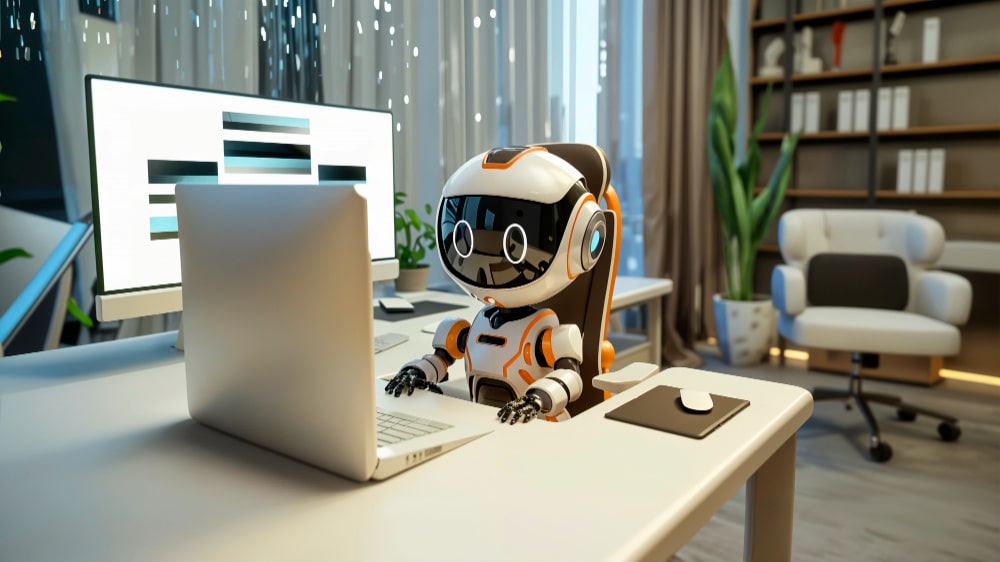
Benefits of AI in Career Transformation
AI’s influence on professional growth extends beyond automation. It creates pathways for innovation, creativity, and new industries to thrive.
Positive Outcomes of AI Integration
•Enhanced efficiency and reduced manual workloads
•Improved accuracy in complex operations
•Access to global digital opportunities
•Encouragement for innovation and entrepreneurship
AI has opened doors for remote work, flexible schedules, and project-based employment. Professionals can now engage with global clients and organizations through smart technologies, boosting career flexibility and freedom.
Real-World Examples of AI-Driven Shifts
•Customer service agents now use chatbots and virtual assistants to handle queries faster
•Healthcare professionals rely on AI for predictive diagnosis and treatment planning
•Marketing specialists use AI-powered tools for personalized advertising campaigns
•Educators employ adaptive learning systems to improve student performance
These examples show that the impact of AI on jobs is about transformation rather than termination. Human creativity continues to drive industries while AI acts as a supportive, efficiency-enhancing partner.
Challenges in the AI-Driven Job Market
While the benefits are significant, the transition is not without obstacles. Many employees fear job displacement, while others struggle to match the pace of technological change.
Common Challenges
•Limited access to digital education and training
•Skill gaps between traditional and modern workforces
•Ethical concerns surrounding automation and privacy
•Dependence on machines for critical decision-making
Bridging the Gap
Governments, educational institutions, and corporations play a vital role in supporting this transformation. Initiatives like free online courses, public-private partnerships, and digital inclusion programs are helping workers transition into AI-supported roles. For instance, companies like IBM and Google offer AI certification programs to build confidence among learners entering the tech-driven workforce.
How Industries Are Evolving
Different sectors are experiencing the impact of AI on jobs in unique ways. While some industries face automation threats, others are seeing new job creation and expansion.
Sectors Most Affected
•Manufacturing and logistics: automation of assembly and supply chain management
•Healthcare: AI-assisted diagnostics and robotic surgeries
•Finance: fraud detection and predictive analytics
•Education: virtual learning platforms and intelligent tutoring systems
Emerging Career Paths
As AI continues to evolve, entirely new professions are surfacing:
•AI trainers and ethics specialists
•Data scientists and algorithm auditors
•Automation project managers
•Digital transformation consultants
These roles emphasize collaboration between technology and human expertise, marking a new era of career evolution.
Embracing the Future of Work
The impact of AI on jobs is a reminder that change is constant. Instead of resisting it, professionals can view this shift as an opportunity for reinvention. The ability to combine human insight with machine precision defines future success.
Key Takeaways for Workers
•Stay curious and continuously learn
•Focus on skills AI cannot replicate creativity, empathy, leadership
•Adopt a mindset of lifelong learning through reskilling and upskilling
•Leverage digital innovation to expand career horizons
In conclusion, the world of work is entering an era where human potential and AI intelligence merge to shape a smarter, more adaptable future. By embracing change and nurturing new capabilities, individuals can thrive amidst the ongoing evolution driven by the impact of AI on jobs.
Conclusion
The impact of AI on jobs is reshaping the global workforce, introducing both opportunities and challenges. As industries evolve, continuous learning and digital literacy have become essential for staying competitive. Embracing technology with an open mind allows individuals to adapt, innovate, and thrive in this fast-changing environment. While automation transforms traditional roles, it also creates new paths for growth and creativity. To stay ahead, professionals must keep learning, exploring, and engaging with the latest trends that define the future of work driven by the impact of AI on jobs.

1 Comment
Add Yours →[…] Related Article: Impact of AI on jobs: Shifting Careers in the Digital Era […]