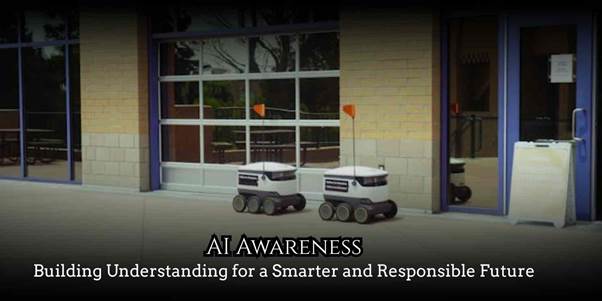
In today’s fast-evolving world, the role of AI in robotics is transforming ordinary machines into intelligent partners capable of decision-making and adaptability. From self-driving vehicles to autonomous drones, robots are no longer limited to repetitive tasks they are learning, reasoning, and evolving like humans. This fusion of artificial intelligence and robotics is reshaping industries, enhancing precision, and pushing boundaries in automation. Through machine learning, neural networks, and robotic cognition, engineers are creating systems that can analyze, react, and even predict outcomes with remarkable accuracy.
This article explores how machines are learning to think, the technologies behind this evolution, and how they are redefining the future of intelligent automation.
Understanding the Concept
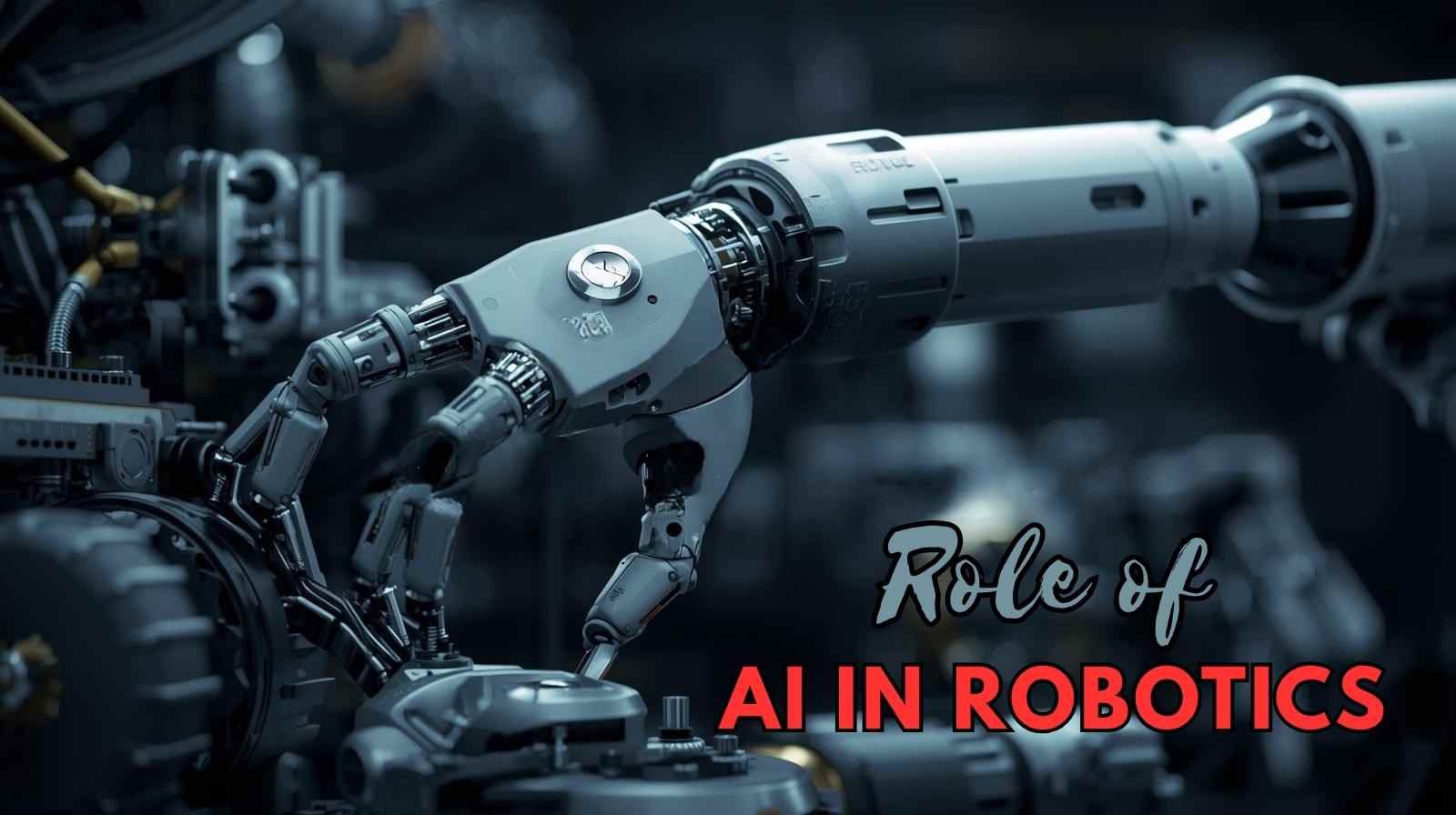
The role of AI in robotics revolves around creating machines capable of thinking, adapting, and performing tasks with minimal human input. In simple terms, it’s the merger of artificial intelligence with robotic systems to enhance their efficiency and autonomy. This blend enables robots to process data, make decisions, and learn from experience, much like humans. Through machine learning and neural networks, robots analyze complex patterns, improving performance over time.
A Brief Historical Overview
The journey began with early automation concepts in the 1950s when machines were designed to perform repetitive industrial tasks. Over time, advancements in computing and robotic cognition led to the birth of intelligent machines. The 21st century brought a major leap robots began integrating AI algorithms for self-learning and adaptive decision-making. Today, we see autonomous drones, intelligent assistants, and collaborative robots operating independently across industries.
Importance of Intelligent Robotics
The integration of AI into robotics is not just a technological milestone it’s a revolution in human innovation. The role of AI in robotics lies in its ability to transform how machines perceive and interact with their surroundings. Intelligent robots are now central to numerous sectors:
- Healthcare: Robots assist in surgeries, diagnostics, and elderly care with precision.
- Manufacturing: Smart robots streamline assembly lines, ensuring accuracy and speed.
- Agriculture: Automated systems predict crop health and optimize irrigation.
- Logistics: Self-learning robots improve warehouse efficiency and reduce errors.
By combining machine learning and sensory data, these systems continuously refine their operations, increasing productivity and reliability.
Benefits of Smart Robotic Systems
AI-driven robotics brings numerous advantages that extend beyond automation. The role of AI in robotics enhances both efficiency and adaptability in several ways:
- Increased Precision: Machines can execute complex procedures with minimal mistakes.
- Continuous Learning: AI enables robots to evolve through neural networks and feedback loops.
- Improved Safety: Dangerous tasks like mining or bomb disposal are now handled by robots.
- Cost Efficiency: Automation reduces operational expenses and boosts output.
- Human Collaboration: Intelligent robots work alongside humans to assist rather than replace them.
These benefits demonstrate how the blend of robotic cognition and artificial intelligence is shaping smarter and safer work environments worldwide.
Challenges and Ethical Concerns
While the role of AI in robotics offers groundbreaking potential, it also raises important challenges. Technical, ethical, and social concerns must be addressed to ensure balanced progress.
Key Challenges
- Data Dependency: AI systems require massive datasets for effective learning.
- Complex Programming: Designing algorithms that mimic human thinking remains difficult.
- High Costs: Research, development, and maintenance demand significant investment.
- Job Displacement: Automation risks reducing employment in traditional sectors.
- Ethical Dilemmas: Issues of privacy, accountability, and bias arise when robots make independent decisions.
Addressing the Concerns
Developers and policymakers must focus on responsible innovation. Ethical frameworks and transparent systems are essential to maintain trust in AI-driven robotics. Collaboration between human expertise and machine learning systems ensures that technology remains beneficial, not disruptive.
Real-World Applications
The influence of AI on robotics is visible across multiple industries where intelligent machines have become indispensable. Some key examples include:
1. Healthcare Innovation
Robotic surgeons powered by AI can perform intricate procedures with unmatched precision. Neural networks help interpret medical imaging, allowing accurate diagnostics and personalized treatments.
2. Autonomous Vehicles
Self-driving cars and drones rely on machine learning algorithms to navigate, detect obstacles, and make real-time decisions. These innovations enhance road safety and delivery efficiency.
3. Industrial Automation
Smart factories use robotic arms equipped with vision and learning systems to perform assembly, inspection, and packaging. This demonstrates the practical role of AI in robotics in optimizing workflow.
4. Space Exploration
NASA and other agencies deploy intelligent robots capable of analyzing extraterrestrial environments. Their autonomy reduces the need for direct human control during deep-space missions.
5. Domestic Assistance
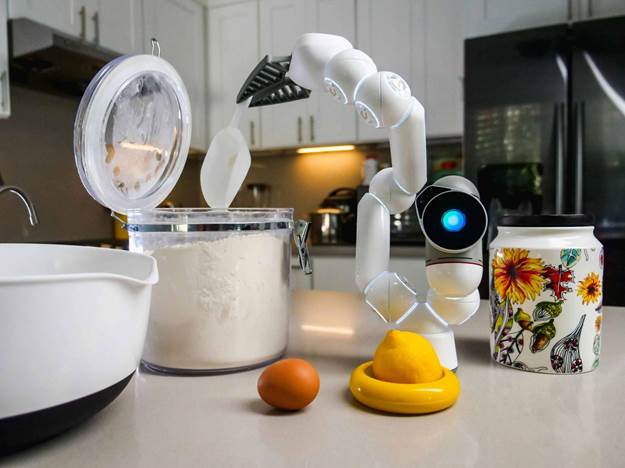
Home-assistant robots like vacuum cleaners or voice-controlled helpers use robotic cognition to adapt to user habits and environments, making everyday life more convenient.
The Future of Thinking Machines
The next phase in the role of AI in robotics will focus on emotional intelligence, advanced reasoning, and collaborative problem-solving. Robots will soon transition from being task executors to active thinkers and partners in innovation. Through continuous integration of neural networks, adaptive algorithms, and sensory feedback, machines will not only learn to perform tasks they will learn to think, predict, and empathize.
The evolution of machine learning ensures that this transformation is ongoing, driving us toward an era where robots are intelligent companions in every field from medicine to education. The future belongs to systems that not only follow commands but understand them, bridging the gap between mechanical precision and human-like awareness.
Conclusion
The role of AI in robotics continues to redefine how machines operate, learn, and interact with the world. From healthcare to industry, this fusion of technology has unlocked new levels of intelligence and efficiency. By combining machine learning and robotic cognition, we are witnessing the birth of systems that can think, adapt, and evolve. As innovation accelerates, understanding this transformation becomes crucial. To stay ahead in this rapidly advancing field, continue exploring how AI-driven robotics is shaping the future of intelligent automation.