
In a world rapidly driven by Artificial Intelligence and IoT, technology is no longer just about automation it’s about creating meaningful connections that enhance how we live and work. From intelligent homes that anticipate our needs to connected cities that optimize resources, these innovations are transforming ordinary systems into smart networks. The seamless interaction between machines, data, and humans is unlocking new levels of efficiency, innovation, and sustainability.
This article explores how these smart connections are redefining industries, improving decision-making, and paving the way for a more adaptive digital future. As we move toward a world where every device communicates intelligently, the boundaries between technology and human experience continue to blur, shaping a tomorrow that’s more responsive, connected, and intelligent than ever before.
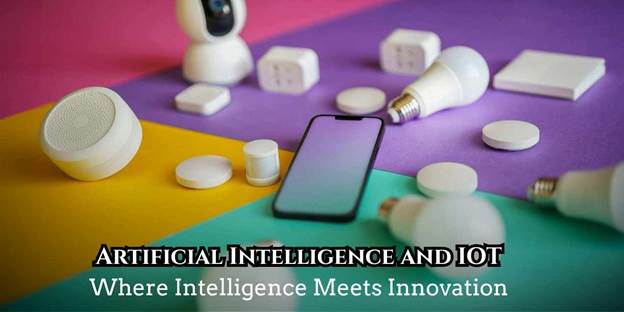
Understanding Smart Connections Shaping Tomorrow
Defining the Concept
Artificial Intelligence and IoT together form the foundation of modern smart ecosystems. Artificial Intelligence enables systems to think, learn, and adapt, while the Internet of Things connects devices, sensors, and machines to share real-time data. When these two technologies combine, they create intelligent networks capable of decision-making without human intervention.
Related Article: The Transformative Power of Artificial Intelligence
This integration allows systems to predict outcomes, enhance productivity, and simplify everyday tasks. From smart homes to industrial automation, the union of AI and IoT is transforming how technology interacts with people and the environment.
A Brief Background and Evolution
The journey of Artificial Intelligence and IoT began decades ago with early automation experiments. AI gained prominence in the 1950s, while IoT emerged in the early 2000s when everyday objects began connecting to the internet. As computing power grew and data storage became affordable, the two technologies merged, creating a new digital ecosystem. Today, they are at the heart of Industry 4.0 where smart devices, machine learning, and data analytics work together to create intelligent systems that learn and evolve continuously.
Importance of Smart Connectivity
The importance of connecting intelligence with devices lies in its power to revolutionize industries and daily life. Through real-time monitoring, predictive maintenance, and automation, businesses can achieve greater operational efficiency and sustainability. In healthcare, wearable devices analyze vital signs and share data with doctors instantly. In agriculture, sensors measure soil conditions and guide irrigation precisely. Smart cities use connected networks to reduce traffic congestion and improve energy management. All these examples highlight how smart connectivity drives innovation and supports a more sustainable future.
Key Benefits of Smart Systems
Combining Artificial Intelligence and IoT delivers a wide range of advantages that improve decision-making and optimize resource use.
Some of the most significant benefits include:
- Increased Efficiency: Automated systems reduce manual labor and errors.
- Cost Reduction: Predictive analytics prevent equipment failure and save maintenance costs.
Enhanced Productivity: Smart devices streamline workflows and improve response times. - Better Decision-Making: Data-driven insights help organizations make informed choices.
- Improved User Experience: Personalized services cater to user preferences in real time.
- Sustainability: Intelligent energy management systems promote eco-friendly solutions.
- Enhanced Security: Smart surveillance device and data encryption safeguard sensitive information.

Real-World Applications
Across multiple sectors, the impact of Artificial Intelligence and IoT is evident:
- Healthcare: Smart wearables monitor heart rate, detect irregularities, and share results instantly with doctors.
- Manufacturing: Automated assembly lines use sensors to detect defects and reduce waste.
- Transportation: Smart vehicles and traffic systems enhance road safety and minimize congestion.
- Energy Sector: Smart grids balance energy supply and demand efficiently.
- Agriculture: IoT-powered sensors optimize irrigation and crop health.
- Retail: Personalized shopping experiences are created using data-driven insights.
Each of these examples demonstrates how intelligent connections are creating a world where data powers smarter decisions and improved outcomes.
Challenges in Implementation
While the advantages are remarkable, implementing Artificial Intelligence and IoT comes with several challenges:
- Data Security: With billions of connected devices, ensuring privacy and protection from cyber threats is crucial.
- Interoperability: Different systems and devices often struggle to communicate effectively.
- High Costs: Initial setup and integration expenses can be significant for smaller organizations.
- Data Overload: Managing and analyzing massive amounts of data requires advanced computing power.
- Skill Gaps: A lack of trained professionals limits the growth of smart technology ecosystems.
Overcoming these challenges requires collaboration between governments, businesses, and technology experts to establish robust frameworks and secure networks.
The Future of Smart Connectivity
The future of Artificial Intelligence and IoT promises even deeper integration across industries. With the rise of 5G connectivity, edge computing, and cloud platforms, devices will communicate faster and process data more efficiently. Future cities will rely on intelligent systems that manage energy, waste, and transportation autonomously. Similarly, in education, adaptive learning tools will personalize the experience for every student, while in healthcare, AI-driven diagnostics will predict diseases before symptoms appear.
Smart connections are leading humanity toward an era of digital transformation where every action is informed by data and every device learns from experience. This synergy not only enhances convenience but also supports sustainability and innovation on a global scale.
Conclusion
The integration of Artificial Intelligence and IoT is redefining how the world connects, communicates, and innovates. By merging intelligent data processing with interconnected systems, these technologies are creating smarter cities, efficient industries, and personalized lifestyles. While challenges like security and scalability still exist, their potential to drive progress and sustainability is undeniable. Embracing these advancements today means preparing for a more adaptive and intelligent tomorrow. To stay ahead, continue exploring how Artificial Intelligence and IoT can shape the future of connectivity and digital transformation.

1 Comment
Add Yours →[…] Related Article: Artificial Intelligence and IOT: Smart Connections Shaping Tomorrow […]