Building awareness through education represents the cornerstone of developing informed, empathetic, and socially responsible individuals prepared for complex global challenges. Traditional academic instruction alone fails to cultivate the deeper understanding students require for meaningful life engagement.
This article explores how socioemotional learning frameworks transform educational experiences beyond content memorization toward genuine holistic student development. You will discover how critical consciousness emerges when institutions prioritize emotional intelligence alongside intellectual growth.
We examine proven strategies for integrating mindfulness practices and self actualization pathways within curriculum structures. The connection between awareness through education and civic engagement demonstrates why progressive institutions embrace comprehensive approaches addressing cognitive, emotional, and social dimensions simultaneously.
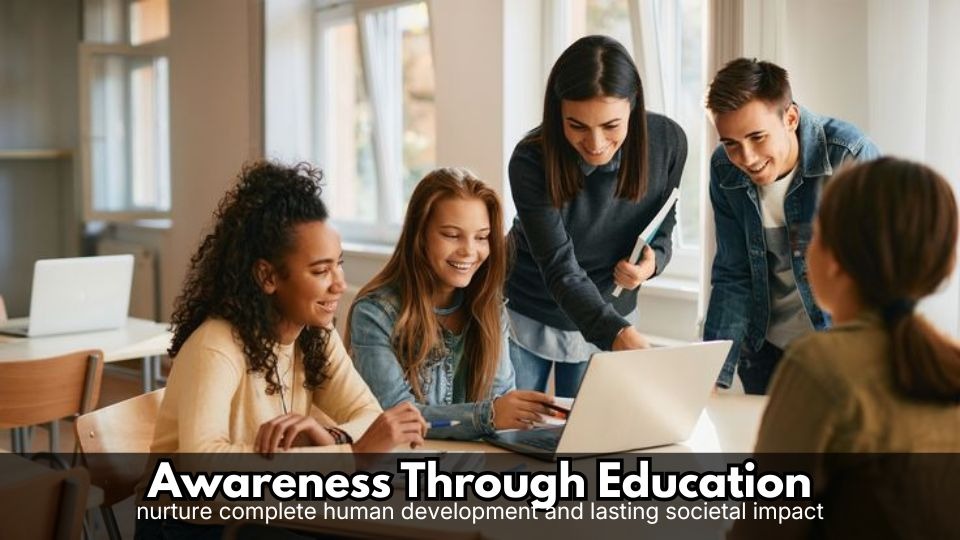
Prepare to understand the theoretical foundations and practical applications creating transformative educational environments that nurture complete human development and lasting societal impact.
Defining Awareness Through Educational Frameworks
Through education encompasses intentional instructional approaches designed to cultivate deeper understanding, critical thinking, and conscious engagement with oneself and surrounding environments. This concept extends beyond traditional knowledge acquisition toward developing heightened perception of social, emotional, and global realities.
Educational awareness involves recognizing interconnections between personal experiences and broader societal dynamics. Students develop capacity for reflection, empathy, and informed decision making through structured learning experiences addressing multiple dimensions of human development.
Understanding this comprehensive definition establishes a foundation for examining how institutions worldwide implement transformative approaches creating lasting impact on learners and communities they serve.
Historical Evolution of Consciousness Based Education
Educational philosophy has progressively embraced holistic approaches recognizing limitations of purely cognitive instruction. Tracing this evolution reveals important insights informing contemporary practice.
Early Progressive Movement Contributions
John Dewey and other progressive educators during the early twentieth century challenged traditional rote learning methods. They advocated experiential approaches connecting classroom content with real world applications and democratic participation.
Awareness through education gained philosophical grounding through these pioneering efforts emphasizing learning as transformative process rather than information transfer alone. Students became active participants constructing understanding through meaningful engagement.
Humanistic Psychology Influences
Abraham Maslow and Carl Rogers introduced self actualization concepts during the mid twentieth century that profoundly influenced educational thinking. Their work established theoretical frameworks supporting holistic student development addressing emotional and psychological dimensions.
These humanistic foundations enabled later integration of socioemotional learning frameworks within mainstream educational practice worldwide.
Core Components of Socioemotional Learning Integration
Contemporary approaches systematically develop multiple competency domains essential for complete human flourishing. These components work together creating comprehensive awareness through education experiences.
Self Awareness Development
Students learn recognizing their emotions, thoughts, values, and behavioral patterns through structured reflection activities. This foundational competency enables understanding personal strengths, limitations, and growth opportunities.
The following elements characterize effective self awareness instruction:
- Mindfulness practices teaching present moment attention and emotional recognition without judgment
- Journaling exercises promoting regular reflection on experiences, reactions, and personal growth patterns
- Personality and learning style assessments helping students understand their unique characteristics
- Goal setting frameworks connecting personal values with academic and life aspirations
- Feedback integration skills enabling constructive use of input from teachers and peers
These practices build critical consciousness necessary for meaningful personal development and social engagement.
Social Awareness Cultivation
Awareness through education extends beyond individual focus toward understanding others and broader social dynamics. Students develop empathy, perspective taking abilities, and appreciation for diversity through intentional instructional approaches.
Learning experiences expose students to different cultural perspectives, historical injustices, and contemporary social challenges. This exposure cultivates civic engagement dispositions essential for responsible citizenship.
Transformative Benefits for Students and Society
Research consistently demonstrates significant advantages when educational institutions embrace comprehensive awareness building approaches. Benefits extend across individual, institutional, and societal dimensions.
Enhanced Academic Performance
Students demonstrating strong socioemotional competencies consistently outperform peers lacking these foundational skills. Emotional regulation enables sustained focus while social awareness improves collaborative learning outcomes.
Awareness through education creates conditions supporting deeper content engagement rather than superficial memorization. Students understand the relevance of academic material to their lives and future aspirations.
Improved Mental Health Outcomes
Holistic student development approaches address psychological wellbeing alongside academic achievement. Students learn coping strategies, stress management techniques, and help seeking behaviors protecting mental health.
Educational environments emphasizing awareness report reduced anxiety, depression, and behavioral problems among student populations. Prevention proves more effective than intervention for supporting student wellness.
Strengthened Community Connections
Graduates from awareness focused programs demonstrate greater civic engagement and prosocial behavior throughout adulthood. Understanding social systems and personal responsibility motivates active community participation.
Awareness through education produces citizens capable of constructive dialogue across differences and collaborative problem solving addressing collective challenges.
Challenges Confronting Implementation Efforts
Despite compelling evidence supporting comprehensive approaches, significant obstacles impede widespread adoption. Acknowledging these challenges enables strategic planning for successful implementation.
Curriculum Constraints and Testing Pressures
Standardized testing requirements pressure institutions toward narrow academic focus at expense of holistic development. Teachers report insufficient time for awareness building activities within crowded curriculum mandates.
Awareness through education requires institutional commitment protecting instructional time for socioemotional learning despite external accountability pressures.
Educator Preparation Gaps
Many teachers lack training for facilitating meaningful self awareness and social awareness experiences. Traditional teacher preparation programs emphasize content knowledge over developmental facilitation skills.
Professional development investments prove essential for building educator capacity supporting comprehensive student growth.
Global Implementation Examples
Examining successful programs worldwide provides practical insights for institutions pursuing transformative approaches. These examples demonstrate diverse strategies adapted to specific cultural contexts.
Singapore Character and Citizenship Education
Singapore systematically integrates character development and civic awareness throughout educational experiences. Students engage structured programs building self actualization competencies alongside academic excellence.

Finland Phenomenon Based Learning
Finnish schools emphasize interdisciplinary projects addressing real world challenges requiring both cognitive and socioemotional engagement. Awareness through education emerges naturally through collaborative inquiry experiences.
Costa Rica Peace Education Initiative
Costa Rican schools incorporate peace education and environmental awareness across curriculum areas. Students develop critical consciousness regarding social justice and ecological sustainability through integrated approaches.
Pathways Toward Comprehensive Transformation
Awareness through education will continue gaining prominence as societies recognize limitations of purely academic preparation. Institutions embracing holistic approaches position students for success across life domains.
Stakeholders must advocate for policy changes supporting comprehensive development alongside traditional academic outcomes. Investment in educator preparation and curriculum reform enables meaningful implementation serving all learners equitably.
The future demands citizens possessing both knowledge and wisdom, intellectual capability and emotional intelligence, personal ambition and social responsibility. Education cultivating genuine awareness addresses these comprehensive requirements preparing individuals for meaningful contribution.
Conclusion:
Awareness through education stands as the foundation for developing complete individuals capable of navigating complex personal and societal challenges successfully. Throughout this exploration, we examined how socioemotional learning frameworks, mindfulness practices, and critical consciousness cultivation transform traditional instruction into holistic student development experiences.
Embracing awareness through education empowers institutions to nurture self actualization alongside academic achievement. Students develop civic engagement dispositions and emotional intelligence essential for meaningful life contribution.
Global examples from Singapore, Finland, and Costa Rica demonstrate successful implementation pathways. Educational stakeholders committed to comprehensive transformation create environments where learners flourish intellectually, emotionally, and socially for lasting positive impact.