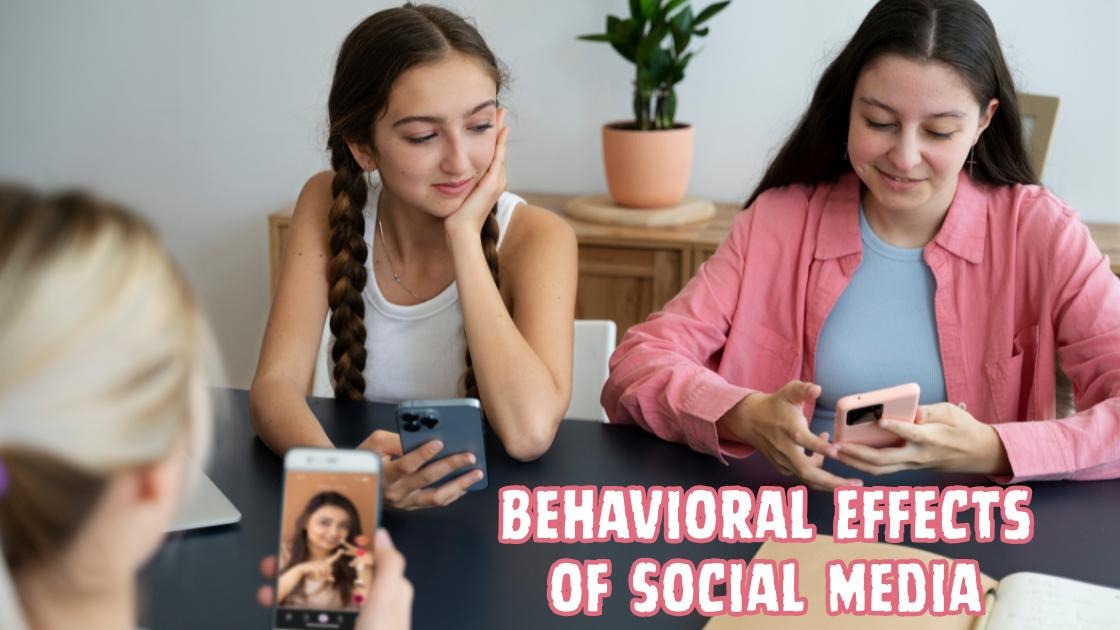
The behavioral effects of social media have become a growing concern for parents, educators, and mental health professionals worldwide. In today’s digital age, young people spend countless hours scrolling through online platforms, often without realizing how it shapes their thoughts, emotions, and actions. From rising anxiety levels to shifting self-worth, the link between social media usage and mental health is impossible to ignore.
This article explores how digital platforms influence teen psychological wellbeing and why understanding these patterns matters now more than ever. We will examine the warning signs, discuss research findings, and offer practical guidance for promoting healthier online habits. Whether you’re a parent seeking answers or a young person wanting to understand your own experiences, this comprehensive guide will help you navigate the complex relationship between youth mental wellness and the digital world we live in.
Understanding the Connection Between Social Media and Youth Mental Health
The behavioral effects of social media extend far beyond simple screen time concerns. Research shows that young people between ages 13 and 18 spend an average of seven to nine hours daily on digital platforms. This constant exposure fundamentally changes how they interact with the world around them.
What Are Digital Behavior Patterns?
Digital behavior patterns refer to the habits, reactions, and psychological responses that develop from regular social media use. These patterns include how often someone checks notifications, how they respond to likes and comments, and how they feel when disconnected from their devices.
Understanding these patterns helps us recognize when online habits become problematic. Young minds are still developing, making them particularly vulnerable to the influence of digital environments.
The Psychological Impact on Teenagers
How Social Comparison Affects Self Esteem
One of the most significant behavioral effects of social media involves constant social comparison. When teenagers scroll through curated feeds showing perfect lives, they often feel inadequate about their own experiences.
This comparison cycle leads to several negative outcomes:
- Decreased self confidence and body image issues
- Feelings of inadequacy compared to peers
- Unrealistic expectations about life and success
- Heightened anxiety about personal appearance
Teen psychological wellbeing suffers when young people measure their worth against filtered and edited content. The gap between reality and online perfection creates lasting emotional damage.
The Rise of Digital Anxiety and Depression
Social media anxiety has become increasingly common among young users. The pressure to maintain an online presence, respond to messages instantly, and keep up with trends creates overwhelming stress.
Studies indicate that heavy social media users are three times more likely to experience depression symptoms. The behavioral effects of social media directly contribute to sleep disruption, mood swings, and difficulty concentrating on daily tasks.
Challenges Facing Today’s Youth Online
Cyberbullying and Its Lasting Effects
While traditional bullying stays at school, cyberbullying travels with victims wherever they go through their devices. This constant exposure makes escape nearly impossible and intensifies emotional trauma.
The anonymity of online platforms often emboldens bullies, leading to more severe harassment. Victims frequently experience:
- Withdrawal from social activities
- Academic performance decline
- Increased anxiety and fear
- Long term trust issues with peers
The Addiction Factor
Digital addiction represents one of the most challenging behavioral effects of social media to address. Social platforms are designed to maximize engagement through variable reward systems similar to gambling mechanics.
Screen time effects compound over time, making it harder for young people to disconnect. The dopamine hits from likes, comments, and shares create dependency patterns that require conscious effort to break.
Positive Aspects and Finding Balance
Benefits of Mindful Social Media Use
Not all behavioral effects of social media are negative. When used mindfully, these platforms offer genuine benefits for youth mental wellness.
Positive aspects include:
- Connecting with supportive communities
- Accessing mental health resources and information
- Maintaining friendships across distances
- Finding creative outlets and inspiration
- Learning new skills through educational content
Strategies for Healthier Online Habits
Creating healthy digital boundaries helps young people enjoy social media without sacrificing their wellbeing. Parents and educators play crucial roles in guiding these habits.
Effective strategies include setting specific times for social media use, encouraging face to face interactions, and promoting activities that build adolescent mental health outside digital spaces.
The Role of Parents and Educators
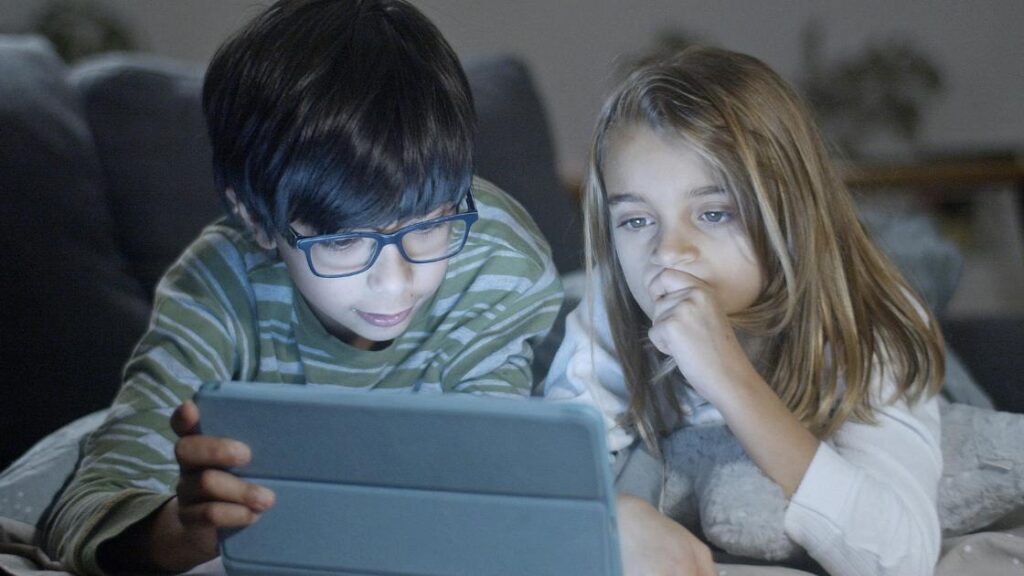
Understanding the behavioral effects of social media empowers adults to have meaningful conversations with young people. Rather than simply restricting access, open dialogue about online experiences proves more effective.
Digital literacy education should become a priority in homes and schools. Teaching critical thinking about online content helps teenagers develop resilience against negative influences.
Monitoring without invading privacy requires delicate balance. Building trust encourages young people to share concerns about their online experiences before problems escalate.
The key lies in working together to create environments where teen psychological wellbeing remains the priority while acknowledging that social media is now a permanent part of modern life.
Conclusion
The behavioral effects of social media on young people demand our attention and action. From social comparison and digital anxiety to cyberbullying and addiction, the challenges are real and growing. However, with proper guidance and healthy digital boundaries, teenagers can navigate online spaces more safely.
Parents, educators, and young people must work together to promote mindful social media use while protecting youth mental wellness. By understanding the risks and implementing practical strategies, we can help the next generation build healthier relationships with technology. The goal is not to eliminate social media but to use it in ways that support positive adolescent mental health and overall wellbeing.