
Biomass technology is rapidly emerging as a vital solution in the fight against climate change. With the growing need for sustainable energy sources, renewable energy solutions like biomass offer a promising alternative to fossil fuels.
This article explores how advanced it helps reduce carbon emissions while supporting the transition to cleaner, eco-friendly energy. We will delve into the latest innovations in biomass conversion processes, its environmental benefits, and its impact on the global energy landscape. By understanding these developments, readers will gain insight into how this green technology plays a crucial role in building a more sustainable future.
Understanding Biomass Technology: Definition and Background
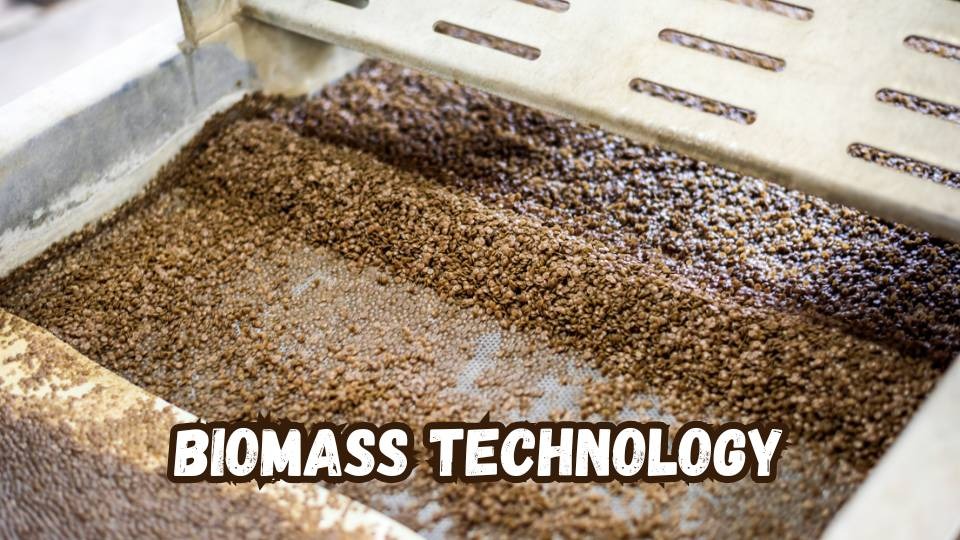
It refers to the process of converting organic materials such as plant waste, agricultural residues, and animal byproducts into usable energy. This energy can take the form of electricity, heat, or biofuels. The concept of using biomass as an energy source dates back centuries, with traditional practices involving burning wood for heat. However, modern biomass conversion techniques have evolved significantly, allowing for more efficient and environmentally friendly energy production.
Related Article: How Biomass Technology is Transforming Renewable Energy Landscapes
Historically, biomass has been a crucial energy source in rural and developing areas. Today, advanced Bioenergy technology leverages innovations in science and engineering to optimize energy output and reduce emissions, making it a key player in the global shift towards sustainable energy solutions.
Importance of Biomass Technology in Today’s Energy Landscape
With increasing concerns about climate change and environmental degradation, the importance of adopting cleaner energy alternatives cannot be overstated. It plays a vital role by offering a renewable and carbon-neutral energy source. Unlike fossil fuels, biomass absorbs carbon dioxide during the growth of plants, which balances the emissions released when biomass is burned or converted.
Related Article: Innovative Carbon Reduction Strategy: Practical Steps for Reducing Emissions and Costs
Key reasons why biomass technology is crucial include:
- Reduction in greenhouse gas emissions
- Utilization of agricultural and forestry waste
- Support for rural economies through job creation
- Diversification of the energy mix to improve energy security
These benefits contribute to lowering overall carbon footprints and promoting a healthier environment.
Benefits of Advanced Biomass Technology
Adopting advanced biomass technology offers several advantages beyond reducing carbon emissions.
Some of the most notable benefits include:
- Renewable Energy Production: Biomass is continuously replenished through plant growth, making it a sustainable source of energy.
- Waste Management: It provides an efficient way to dispose of organic waste, reducing landfill use and methane emissions.
- Energy Independence: Using locally sourced biomass decreases dependence on imported fossil fuels.
- Versatility: Biomass can be converted into various energy forms such as bioelectricity, bioheat, and biofuels for transportation.
- Carbon Neutrality: The carbon dioxide released during biomass energy production is offset by the carbon absorbed during plant growth, contributing to climate change mitigation.
By integrating these technologies into the existing energy framework, countries can accelerate their progress towards green energy adoption.
Challenges Faced by Biomass Technology
Despite its advantages, it faces certain challenges that need to be addressed for wider adoption:
- Feedstock Supply and Quality: Ensuring a consistent and sustainable supply of biomass materials is critical. Seasonal variations and land use competition can impact availability.
- Cost and Investment: Initial capital costs for biomass plants and advanced technologies can be high compared to conventional energy sources.
- Technological Limitations: Some conversion processes require further optimization to improve efficiency and reduce emissions.
- Environmental Concerns: Unsustainable harvesting practices may lead to deforestation or habitat loss. Proper management and regulations are essential.
Addressing these challenges involves innovation, policy support, and stakeholder collaboration to make biomass technology more accessible and efficient.
Examples of Advanced Biomass Technology in Action
Several countries and companies have successfully implemented advanced biomass solutions to reduce emissions and boost clean energy production.
1. Anaerobic Digestion
This process uses microorganisms to break down organic matter in the absence of oxygen, producing biogas that can be used for electricity and heat generation. It is commonly applied in agricultural and wastewater treatment sectors.
2. Gasification
Gasification converts biomass into syngas (a mixture of hydrogen and carbon monoxide), which can then be used to generate electricity or produce biofuels. This technology offers higher efficiency and lower emissions compared to direct combustion.
3. Bioethanol Production
Bioethanol is produced by fermenting sugars from crops like corn or sugarcane. It is widely used as a renewable fuel for vehicles, reducing reliance on gasoline.
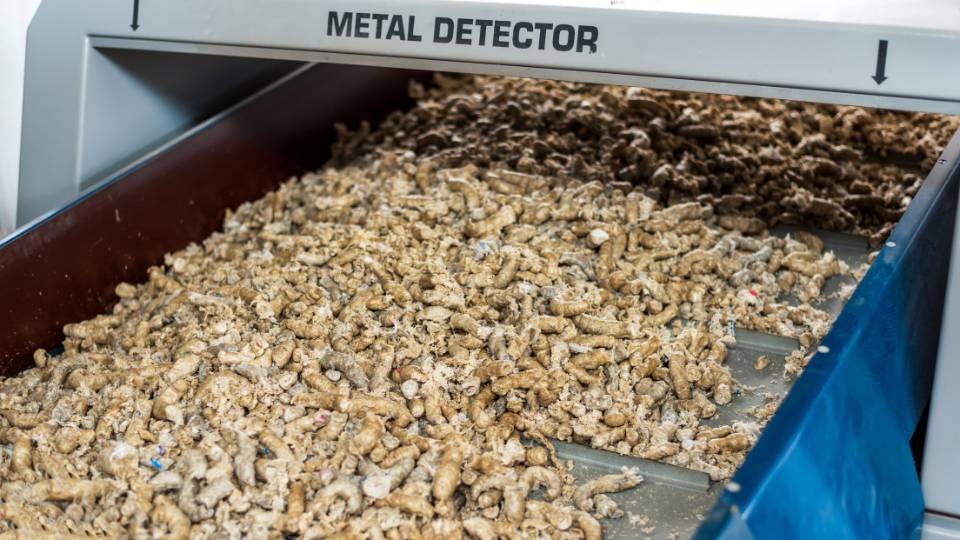
4. Pelletization
Biomass pellets made from compressed sawdust or agricultural residues serve as a convenient and efficient fuel for heating and power generation, promoting clean combustion.
Future Prospects and Innovations in Biomass Technology
The future of biomass technology looks promising with ongoing research and technological advancements aimed at overcoming current limitations. Some exciting developments include:
- Second-generation biofuels using non-food biomass to avoid competition with food crops.
- Integration with carbon capture and storage (CCS) to further minimize carbon emissions.
- Hybrid systems combining biomass with solar or wind energy to enhance grid stability.
- Improved enzymatic processes to boost biofuel yields from lignocellulosic materials.
These innovations will help Renewable biomass solutions become a cornerstone of global efforts to achieve net-zero emissions and sustainable development goals.
Conclusion
Advanced biomass technology plays a crucial role in cutting down carbon emissions and promoting renewable energy sources. By efficiently converting organic materials into clean power, it supports a sustainable and eco-friendly energy future. Despite some challenges, ongoing innovations continue to enhance its efficiency and accessibility. Embracing this technology can significantly contribute to reducing environmental impact while boosting energy security. As the world shifts toward greener alternatives, biomass remains a vital part of the clean energy transition, helping to create a healthier planet for future generations.




2 Comments
Add Yours →[…] Related Article: The Role of Advanced Biomass Technology in Reducing Carbon Emissions and Boosting Green Energy […]
[…] Related Article: The Role of Advanced Biomass Technology in Reducing Carbon Emissions and Boosting Green Energy […]