A dedicated root server gives complete authority over your hosting environment, allowing users to manage resources, security settings, and server performance without limitations. For businesses and developers looking for high-level reliability, this option ensures maximum speed and stability.
In this article, we’ll explore how these servers work, who benefits most from them, and why they’re often preferred over shared or managed hosting solutions. You’ll also learn about essential features such as high-performance hosting, server customization, and strong security management. Whether you’re running heavy applications, large e-commerce platforms, or data-driven systems, understanding the value of full administrative access can help you make a smarter hosting decision. This guide will give you clear insights to choose the right configuration for your needs.
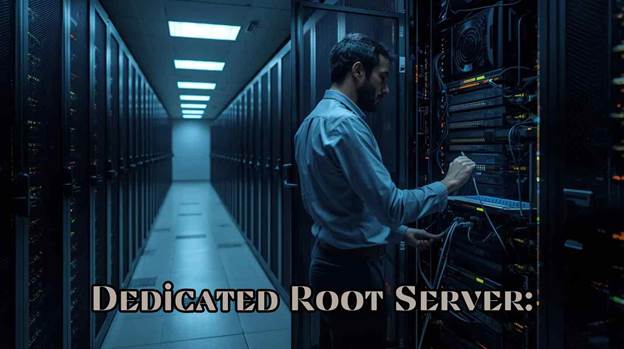
Understanding the Core Concept
A dedicated root server refers to a hosting setup where a user has full administrative access to the server. Unlike shared or virtual hosting environments, this setup provides complete control over configurations, resource allocation, and internal security rules. It allows organizations to freely install applications, modify system files, and manage user permissions without restrictions. This approach is commonly used by businesses that require stability, performance, and independence from other server users. The concept has evolved over time as computing power and internet services expanded, making it essential for growing companies and technical professionals who work with complex or scalable systems.
Background and Evolution
In the early days of online hosting, most websites were stored in shared environments. As businesses began to require more speed and security, dedicated hosting technologies emerged. Over time, advancements in virtualization technology and cloud processing allowed for more flexible server control, but many companies still prefer full hardware access for reliability and consistency. This setup has become standard for users who manage databases, online platforms, and resource-intensive systems.
Importance of Full Administrative Control
Why Complete Access Matters
Full administrative access ensures that users can configure the system according to their performance and security needs. This is especially important for companies that manage sensitive information or require specific technical setups.
Key Reasons Access is Valuable
*Ability to install and remove software freely
*Custom control over data security measures
*Improved stability for high-traffic websites
*No interference from other users
Having this flexibility ensures a smoother hosting experience and reduces the chance of external restrictions impacting performance.
Benefits of Using This Hosting Option
High Performance and Reliability
One of the greatest advantages is the ability to use server resources without sharing them. Users can maximize CPU, RAM, and storage performance for specific applications.
Advantages to Consider
*Faster processing for complex tasks
*Reduced downtime and interruptions
*Better optimization for custom applications
*Stable environment for e-commerce or enterprise systems
Enhanced Customization Options
The ability to tailor the environment to business needs makes this setup highly versatile. This aligns well with server customization, especially for development teams and IT administrators.
Customization Examples
*Configuring firewall and encryption settings
*Installing performance-monitoring tools
*Creating automated backup processes
*Adjusting memory and caching behavior for speed
Strong Security Capabilities
Security is a major concern for online operations. With full access, users can apply strict protection measures suited to their data requirements.
Key Security Strengths
*Ability to install advanced security software
*Control over user access and authentication
*Stronger defense against cyber threats
*Compliance with internal or industry regulations
Challenges to Consider
Technical Knowledge Requirements
Managing this setup requires some level of technical understanding. Users must be familiar with system administration and server management workflows.
Possible Difficulties
*System configuration can become complex
*Improper setup may reduce performance
*Security weaknesses if not properly maintained
However, businesses can reduce these challenges by using managed support services or hiring experienced administrators.
Higher Cost Compared to Shared Hosting
Since the resources are not shared, the price is typically higher. This cost reflects the performance and control benefits.
Expense Considerations
*Hardware cost
*Maintenance and upgrades
*Optional ongoing management services
Despite higher pricing, many businesses find the investment worthwhile due to long-term stability.

Practical Use Cases
Best Use Situations
This type of hosting is especially suitable for organizations that rely on fast processing and stable systems.
Common Examples
*Large online stores with heavy traffic
*Data analytics platforms requiring continuous computation
*Gaming servers requiring low latency
*Corporate intranet and ERP systems
Tips for Choosing the Right Setup
Factors to Evaluate Before Selecting
*Check processor and memory capacity
*Evaluate network reliability and uptime guarantees
*Consider scalability for future growth
*Review technical support availability
Performance Optimization Tips
*Regularly monitor system logs
*Apply updates and patches on schedule
*Run security scans to detect vulnerabilities
*Use caching and load-balancing strategies for speed
Final Thoughts
A dedicated root server remains an excellent option for users who value independence, stability, and strong performance. By providing complete administrative access, it allows professionals to tailor their hosting environment to match business needs. While it may require more knowledge and resources, the rewards in reliability and flexibility make it a strong choice for long-term online growth.
Conclusion
Choosing a dedicated root server offers businesses and developers a high level of control, performance, and customized security that shared hosting environments cannot match. It supports resource-heavy applications, ensures stable uptime, and provides the flexibility to configure software and systems according to specific needs. While it may require technical knowledge and a higher investment, the long-term benefits often outweigh the challenges. Whether you’re managing growing web platforms or complex business systems, exploring a dedicated root server solution can help you achieve improved stability and efficiency. Continue learning and evaluating your hosting needs to make the best decision for your goals.