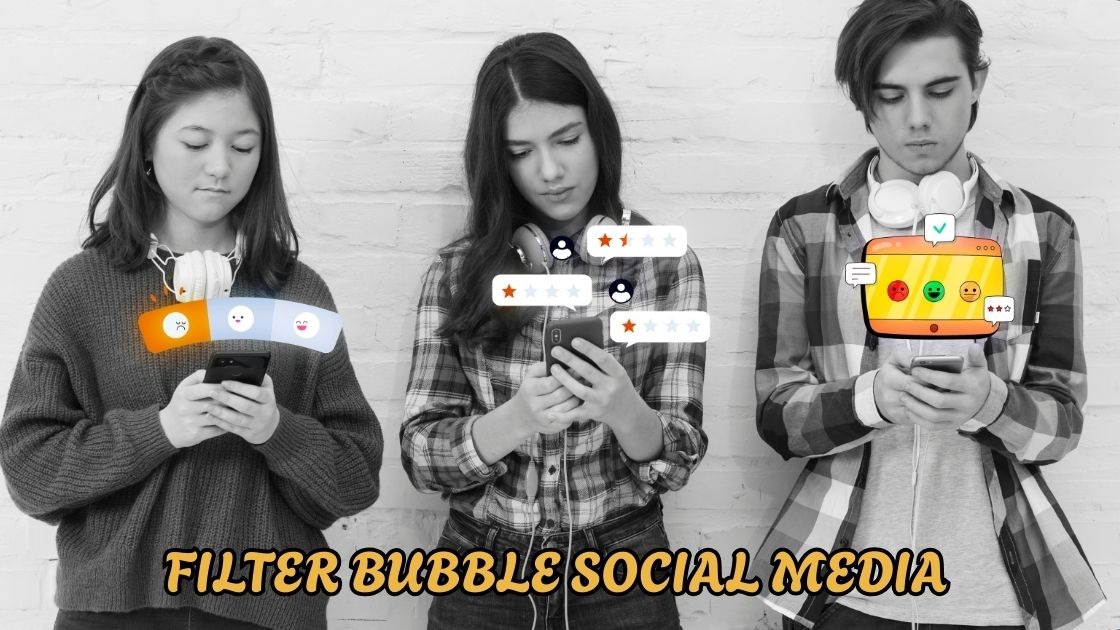
That is the power of filter bubble social media a hidden system designed to keep you engaged by feeding you content that matches your existing interests and opinions. While this might feel comfortable, it quietly narrows your worldview and limits your exposure to diverse perspectives. In this article, we will break down how social media algorithms create these invisible walls around you, what leading digital experts say about their impact, and most importantly, how you can take back control of your online experience. Whether you are a casual scroller or a heavy platform user, understanding this phenomenon is the first step toward healthier digital habits.
The concept of a filter bubble was first introduced by internet activist Eli Pariser in 2011, and it has only grown more relevant since then. Today, platforms like Facebook, Instagram, TikTok, and YouTube use sophisticated personalized algorithms to curate every piece of content you see. These algorithmic recommendations are driven by your clicks, likes, shares, and even the time you spend looking at a post. The result is a carefully constructed information silo that reinforces your biases while hiding opposing viewpoints. This raises serious concerns about online echo chambers, media literacy, and the overall quality of digital information consumption.
As filter bubble social media continues to shape public discourse, researchers and tech professionals are urging users to become more aware of how these systems operate. Throughout this guide, we will explore expert insights, real-world examples, and actionable steps you can use to burst your filter bubble social media experience and reclaim a more balanced, informed online life.
What Is a Filter Bubble and How Does It Work on Social Media?
A filter bubble social media experience occurs when platforms use algorithms to selectively present content based on your past behavior, preferences, and interactions. In simple terms, the platform learns what you like and then shows you more of the same while quietly hiding everything else. This creates an invisible information cocoon that feels personalized but is actually limiting.
The term was coined by Eli Pariser, who noticed that two people searching the same topic on Google could receive entirely different results. On social media, this effect is even more pronounced. Every time you like a post, watch a video to the end, or follow a new account, the algorithm takes note. Over time, your feed becomes a carefully curated reflection of your own beliefs, leaving little room for new ideas or opposing viewpoints.
How Social Media Algorithms Create Filter Bubbles
Social media platforms rely on engagement driven algorithms to keep users on the app for as long as possible. These systems analyze massive amounts of user data to predict what content will generate the most interaction. The filter bubble social media algorithms build is not random. It is a calculated effort to maximize screen time and advertising revenue.
The process works in a continuous loop. You engage with certain content, the algorithm registers that preference, and then it serves you similar material. This algorithmic content curation means that your digital world slowly shrinks without you even realizing it. Platforms like Facebook, Instagram, TikTok, and YouTube all operate on variations of this model, making filter bubble social media a universal concern across the digital landscape.
The Role of Personalization in Strengthening Filter Bubbles
Personalized content delivery is at the heart of every modern social platform. While personalization can be helpful in discovering relevant content, it becomes problematic when it eliminates diversity from your feed entirely. The filter bubble social media platforms create is strengthened every time the algorithm successfully predicts what you will click on next.
This level of personalization also extends to advertisements, suggested accounts, and even trending topics. What appears as a trending conversation for one user may be completely invisible to another. This selective information exposure quietly shapes how millions of people perceive the world around them.
Why Filter Bubbles on Social Media Matter
Impact on Public Opinion and Democracy
Filter bubble social media has a direct influence on how people form opinions about politics, health, social issues, and more. When users are only exposed to one side of a story, they begin to believe that their perspective is the only valid one. This contributes to growing political polarization and makes constructive public debate increasingly difficult.
Research from institutions like MIT and Oxford has shown that misinformation spreads faster within filter bubbles because users are less likely to encounter fact checks or alternative viewpoints. The consequences extend beyond individual users and affect elections, public health responses, and community trust.
Mental Health and Emotional Well Being
The effects of filter bubble social media are not limited to information quality. Being trapped in a content loop that constantly reinforces specific emotions can take a toll on mental health and digital wellness. Users who are fed a steady stream of negative or fear based content may experience increased anxiety, stress, and a distorted sense of reality.
On the other hand, users whose bubbles are filled with overly positive or unrealistic content may develop unhealthy comparisons and expectations. Either way, the lack of balanced content creates an environment that is emotionally unhealthy over time.
Types of Filter Bubbles You Encounter Online
Not all filter bubbles look the same. Understanding the different forms can help you identify when you are inside one. Filter bubble social media manifests in several distinct ways across platforms.
- Ideological bubbles form when algorithms prioritize politically or socially aligned content, reinforcing existing beliefs without presenting counterarguments.
- Interest based bubbles develop around hobbies, entertainment, or lifestyle topics, narrowing your content exposure to a single niche over time.
- Geographic bubbles occur when platforms prioritize local content and trends, limiting your awareness of national or global perspectives.
- Commercial bubbles are created by targeted advertising algorithms that repeatedly show you products and services based on your browsing and purchasing history.
- Social circle bubbles emerge when platforms prioritize content from people you interact with most, slowly filtering out connections you engage with less frequently.
Each of these types contributes to the overall filter bubble social media users experience daily, and recognizing them is the first step toward breaking free.
How to Escape the Filter Bubble on Social Media
Practical Steps Backed by Experts
Breaking out of your filter bubble social media creates requires intentional effort. Digital literacy experts and researchers recommend a combination of behavioral changes and tool usage to regain control over your feed. Here are proven strategies that work.
- Diversify your follows by actively seeking out accounts, pages, and creators that represent viewpoints different from your own.
- Use incognito or private browsing when searching for news or sensitive topics to prevent the algorithm from logging your activity.
- Engage with varied content by deliberately clicking on, watching, and sharing posts outside your usual interests to retrain the algorithm.
- Turn off personalized recommendations in your platform settings, as most social networks offer options to limit algorithmic filtering.
- Rely on multiple news sources instead of depending on a single platform for information, and consider using RSS feeds or news aggregator apps for a broader perspective.
Tools and Resources That Help
Several browser extensions and apps have been developed specifically to help users combat filter bubble social media effects. Tools like AllSides, Ground News, and NewsGuard provide balanced news perspectives by showing how different outlets cover the same story. Additionally, platforms like Wikipedia and nonprofit news organizations offer unbiased information access that is free from algorithmic manipulation.
Experts also recommend conducting regular social media audits where you review your followed accounts, liked pages, and content history. This simple habit helps you identify patterns in your consumption and make conscious adjustments. The goal is not to abandon social media entirely but to use it in a way that broadens rather than narrows your understanding of the world. Taking control of your filter bubble social media experience is an ongoing process that requires awareness, effort, and the right set of digital tools.
Conclusion
The reality of filter bubble social media is that it quietly shapes how you think, what you believe, and how you see the world without ever asking for your permission. As we have explored throughout this article, social media algorithms are designed to prioritize engagement over accuracy, creating personalized echo chambers that limit your exposure to diverse ideas and balanced information. From influencing political opinions to affecting mental health, the consequences of living inside a content bubble are far reaching and deeply personal.
However, the good news is that awareness is your greatest weapon. Now that you understand how algorithmic content curation works and why platforms build these invisible walls around you, you are already in a stronger position to fight back. By diversifying your content sources, adjusting your platform settings, using media literacy tools, and conducting regular audits of your digital habits, you can actively dismantle the filter bubble social media has built for you.
The responsibility does not fall on users alone. Tech companies, educators, and policymakers must also play their part in promoting transparency in algorithms and encouraging healthier digital information consumption. But change starts at the individual level. Every conscious choice you make to seek out new perspectives, question what your feed shows you, and engage with content beyond your comfort zone is a step toward a more informed and balanced online experience. Do not let filter bubble social media define your reality. Take charge of your feed, broaden your horizons, and become a more critical digital citizen starting today.