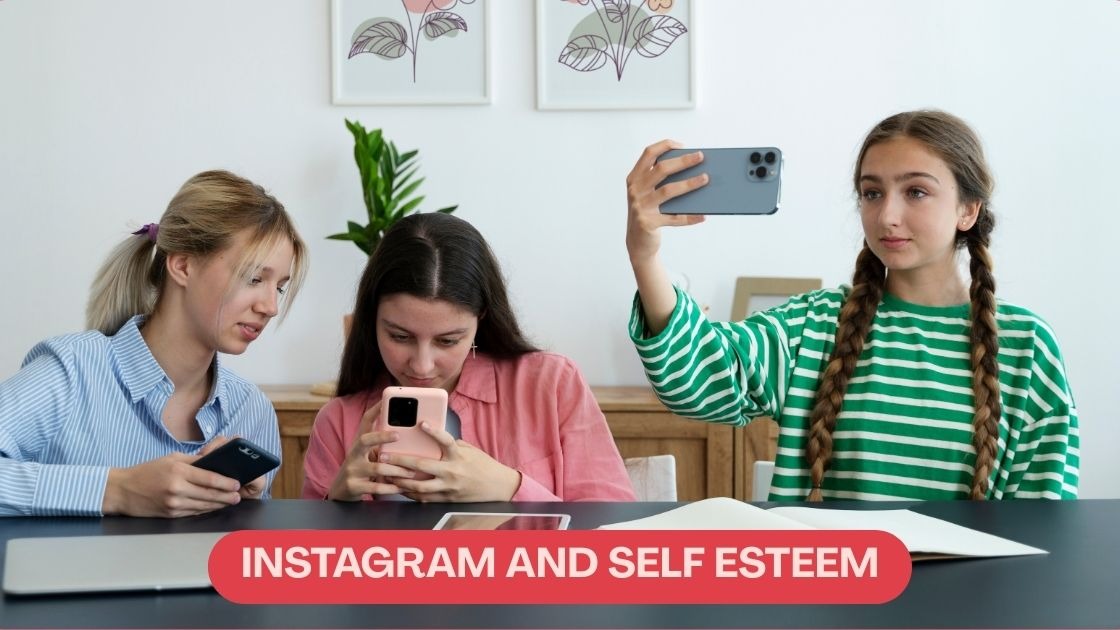
Instagram and self esteem have become one of the most debated topics in the digital wellness space, with millions of users wondering whether their daily scrolling habit is quietly shaping how they feel about themselves. From viral headlines claiming social media destroys confidence to influencers insisting it empowers them, the conversation is flooded with opinions but surprisingly short on facts. So what does the actual research say?
This article dives deep into verified studies and expert insights to separate the real impact of Instagram on self esteem from the widespread misconceptions that dominate online discussions. Whether you are a parent, a teenager, or simply someone trying to build a healthier relationship with your phone, this guide will give you the clarity you need.
The truth is, the relationship between Instagram and self esteem is far more nuanced than most people realize. It is not a simple equation of “social media equals low confidence.” Factors like social comparison, body image issues, mental health awareness, screen time habits, and online validation all play a role in determining how the platform affects an individual. Research from leading universities and psychology institutions has shown that the impact varies dramatically depending on age, usage patterns, and personal resilience.
In this article, we will explore peer-reviewed studies, break down common myths with data-backed facts, and offer practical strategies for maintaining a positive digital wellbeing while still enjoying the platform. By the end, you will have a well-rounded, evidence-based understanding of how Instagram truly influences the way we see ourselves and what you can do about it.
Understanding the Connection Between Instagram and Self Esteem
The relationship between Instagram and self esteem has been studied extensively over the past decade as the platform grew from a simple photo sharing app to a global cultural force with over two billion active users. At its core, Instagram is a visual platform where people share curated snapshots of their lives, and this emphasis on appearance, lifestyle, and achievement naturally creates an environment where users begin comparing themselves to others. Researchers in psychology and digital behavior have consistently found that this cycle of social comparison is one of the primary mechanisms through which Instagram and self esteem become intertwined.
Understanding this connection matters because self esteem influences nearly every area of life, from relationships and career decisions to mental health and overall happiness. When a platform used daily by millions has the power to shift how people perceive their own worth, it becomes essential to look beyond surface level opinions and examine what credible data actually tells us.
How Instagram and Self Esteem Shape the Way We See Ourselves
Instagram operates on a feedback loop of posting, receiving likes, comments, and followers, which directly ties a user’s sense of value to external validation. When someone posts a photo and receives positive engagement, it can temporarily boost confidence. However, when engagement is low or when users scroll through seemingly perfect feeds, feelings of inadequacy and low self worth can quickly surface.
The Role of Social Comparison
Social comparison theory, originally proposed by psychologist Leon Festinger, explains why Instagram and self esteem are so closely linked. Users unconsciously engage in two types of comparison. Upward comparison happens when you see someone who appears more attractive, wealthier, or more successful, leading to feelings of inferiority. Downward comparison occurs when you view someone in a less favorable position, which may temporarily boost confidence but often creates unhealthy thought patterns.
A 2023 study published in the Journal of Social and Clinical Psychology confirmed that frequent upward comparison on Instagram is significantly associated with lower self esteem, particularly among young women aged 16 to 25.
Instagram and Self Esteem Myths vs Facts What Research Actually Shows
One of the biggest challenges in the conversation around Instagram and self esteem is the amount of misinformation circulating online. Let us break down some of the most common myths using verified research data.
Myth 1: Instagram Always Destroys Self Esteem
Fact: The impact of Instagram on self esteem depends heavily on how you use the platform. A 2022 study from the University of Pennsylvania found that passive scrolling without interaction was linked to negative mood and reduced self worth. However, users who actively engaged by commenting, sharing meaningful content, and connecting with supportive communities reported neutral or even positive effects on their confidence and body image perception.
Myth 2: Only Teenagers Are Affected
Fact: While adolescents are particularly vulnerable due to ongoing identity development, adults are not immune. Research from the American Psychological Association shows that adults aged 25 to 40 also experience measurable drops in self esteem when exposed to idealized content on Instagram, especially in areas related to career success and physical appearance.
Myth 3: Deleting Instagram Instantly Fixes Low Self Esteem
Fact: Self esteem is shaped by numerous factors including upbringing, personal relationships, mental health history, and core beliefs. Simply removing the app does not address root causes. Therapists recommend a more balanced approach that includes mindful usage, curating your feed intentionally, and building offline confidence habits alongside any changes in screen time.
Key Factors That Determine How Instagram and Self Esteem Are Connected
Not every user experiences Instagram and self esteem challenges in the same way. Several factors influence the extent of the impact.
- Daily screen time plays a significant role, with studies showing that users spending more than two hours per day on Instagram report higher rates of negative self perception.
- Content consumption patterns matter because following accounts focused on unrealistic beauty standards or excessive luxury increases the likelihood of unhealthy comparison.
- Age and developmental stage determine how resilient a person is to external influence, with younger users being more susceptible to digital validation.
- Existing mental health conditions such as anxiety or depression can amplify negative effects, making users more sensitive to perceived rejection or inadequacy online.
- Personal intention and mindset when opening the app significantly shapes the experience, as purposeful usage leads to better outcomes than mindless scrolling.
How Instagram and Self Esteem Can Benefit You When Used Mindfully
Despite the concerns, it would be inaccurate to label Instagram as entirely harmful to self esteem. The platform also offers genuine benefits when approached with awareness and intention.
Instagram provides a space for creative self expression, allowing users to share art, photography, writing, and personal stories that reinforce a sense of identity and accomplishment. It also connects people with supportive online communities focused on mental health awareness, body positivity, and personal growth. Many users have reported that following accounts promoting realistic content and positive affirmations has actually helped them improve their digital wellbeing and overall self image.
Practical Tips for Protecting Your Self Esteem on Instagram
Building a healthier relationship with Instagram and self esteem starts with small, intentional changes in how you interact with the platform.
- Curate your feed deliberately by unfollowing accounts that trigger comparison and replacing them with content that inspires or educates you.
- Set daily time limits using built in screen time management tools to prevent mindless scrolling sessions that drain your emotional energy.
- Practice active engagement instead of passive consumption by commenting, sharing, and connecting with people whose content resonates with your values.
- Take regular digital detox breaks to reconnect with offline activities that build genuine confidence and self worth.
- Remind yourself of the highlight reel effect because most Instagram content represents a curated version of reality, not the full picture of anyone’s life.
Who Should Pay Extra Attention
Certain groups need to be especially mindful about Instagram and self esteem dynamics. Parents should monitor how their children interact with the platform and maintain open conversations about online comparison. Teachers and school counselors can integrate digital literacy programs that educate students about the psychological effects of social media. Mental health professionals should routinely assess social media habits when working with clients experiencing low confidence or body image concerns.
Conclusion
The relationship between Instagram and self esteem is not as black and white as many people assume. As we have explored throughout this article, verified research consistently shows that the platform is neither entirely harmful nor universally beneficial. The real impact depends on how you use it, how much time you spend on it, and the mindset you bring to every scrolling session. Understanding this nuance is the first step toward building a healthier digital life.
The myths surrounding Instagram and self esteem often create unnecessary fear or false reassurance. By relying on peer reviewed studies and expert backed insights instead of headlines and opinions, you can make informed decisions about your social media habits. Whether it is managing social comparison, addressing body image concerns, or simply becoming more aware of the highlight reel effect, knowledge truly is power in this context.
What matters most is taking intentional action. Curating your feed, setting screen time boundaries, engaging in digital detox practices, and nurturing your mental health awareness offline are all proven strategies that protect your confidence and emotional wellbeing. Parents, educators, and mental health professionals also have a critical role to play in guiding younger users through these challenges with empathy and evidence based support.
Ultimately, Instagram and self esteem can coexist in a positive way when you choose mindfulness over mindless consumption. The platform is a tool, and like any tool, its impact is shaped entirely by how you choose to use it. Start making those intentional changes today and take back control of how social media influences the way you see yourself.