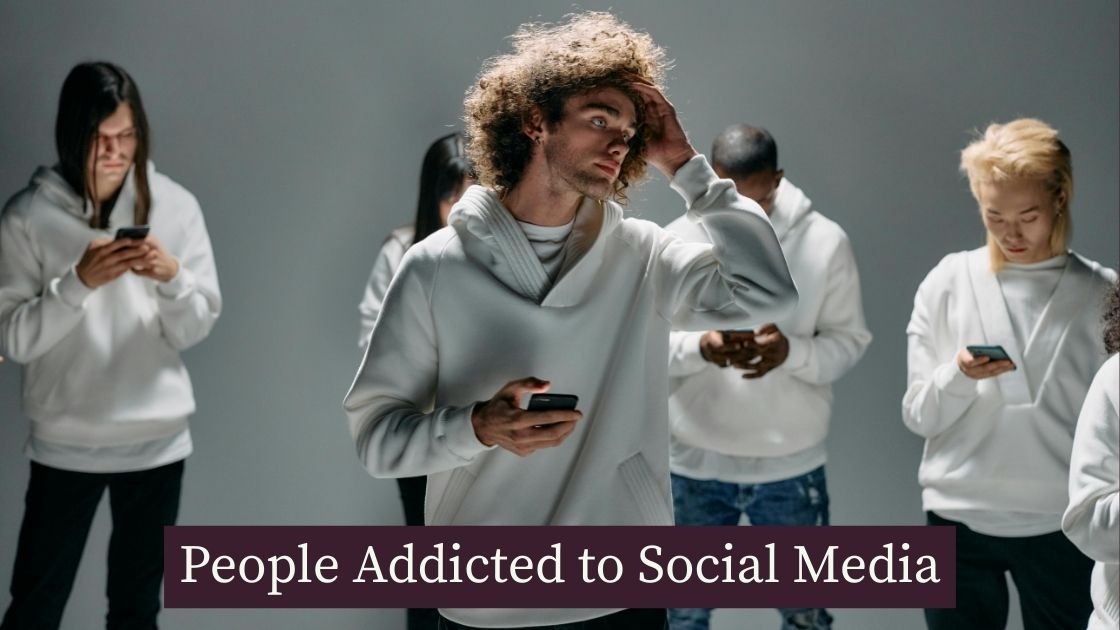
Have you ever noticed how people addicted to social media can’t put their phones down, even when they feel worse after every scroll? Millions of people share the same concern and curiosity about this growing issue. In today’s hyperconnected world, millions of users find themselves trapped in a cycle of endless notifications, comparison culture, and digital overstimulation that quietly fuels their daily anxiety.
This growing concern has caught the attention of mental health professionals worldwide. Psychologists and behavioral researchers are now uncovering the deep psychological triggers behind this modern phenomenon. From dopamine-driven feedback loops to the fear of missing out, the reasons behind social media anxiety are more complex than most people realize.
In this article, we’ll explore what leading psychologists have to say about the connection between excessive screen time and rising anxiety levels. You’ll discover the hidden mental health effects of compulsive scrolling, understand how social media addiction rewires the brain, and learn practical digital wellness strategies to break free from this cycle. Whether you’re someone who struggles with phone dependency or you’re trying to help a loved one dealing with online compulsion, this guide offers science-backed insights to help you take back control of your emotional well-being.
Understanding Why People Addicted to Social Media Experience Constant Anxiety
Social media was originally designed to bring people closer together. However, over the past decade, it has evolved into something far more complex. People addicted to social media now spend an average of two to four hours daily scrolling through feeds, reacting to posts, and seeking validation from strangers. What starts as harmless entertainment gradually becomes a compulsive habit that disrupts emotional stability and mental peace.
The relationship between social media overuse and anxiety is not just anecdotal. Clinical psychologists and neuroscientists have published extensive research confirming that excessive digital engagement directly impacts how the brain processes stress, self-worth, and emotional regulation. Understanding this connection is the first step toward meaningful recovery.
What Makes People Addicted to Social Media in Today’s Digital Age
Social media addiction is classified as a behavioral addiction where individuals feel an uncontrollable urge to log on, check notifications, and engage with online platforms despite negative consequences. Unlike substance abuse, this form of digital dependency often goes unnoticed because society normalizes constant connectivity.
People addicted to social media typically display patterns similar to other compulsive behaviors. They experience restlessness when unable to access their accounts, lose track of time while scrolling, and prioritize online interactions over real world relationships. Mental health professionals now recognize this as a legitimate psychological concern that deserves clinical attention and public awareness.
How Psychologists Identify Social Media Dependency
Psychologists use specific behavioral markers to determine whether someone has crossed the line from casual usage to full dependency. These markers help clinicians design personalized treatment plans for those struggling with compulsive online behavior.
- Spending increasing amounts of time on platforms to achieve the same level of satisfaction
- Experiencing mood swings, unease, or agitation when disconnected from social media platforms
- Repeatedly failing to reduce or control usage despite wanting to stop
- Neglecting personal responsibilities, work, or academic obligations due to scrolling habits
- Continuing to use platforms excessively even after recognizing negative emotional effects
When three or more of these signs are consistently present, psychologists consider it a strong indication that the individual has developed a problematic relationship with social media platforms.
The Psychology Behind Why People Addicted to Social Media Feel Anxious
Dopamine and the Reward Cycle
Each like, comment, and share activates a tiny burst of dopamine, the brain’s natural chemical responsible for feelings of pleasure and satisfaction. For people addicted to social media, this creates a powerful feedback loop. The brain begins craving these micro rewards, pushing users to check their phones repeatedly throughout the day.
Over time, the brain’s reward system becomes desensitized. This means users need more engagement and more screen time to feel the same level of satisfaction. When that validation doesn’t come, anxiety and restlessness quickly set in. Psychologists compare this cycle to the tolerance building seen in other forms of behavioral addiction.
The Comparison Trap
One of the most damaging psychological effects of excessive social media use is the constant comparison with others. Platforms are filled with curated highlight reels that rarely reflect reality. When people addicted to social media compare their everyday lives to these polished images, it creates feelings of inadequacy, low self-esteem, and persistent worry.
Research published in the Journal of Social and Clinical Psychology found that limiting social media usage to thirty minutes per day significantly reduced levels of loneliness and depression. This confirms that the comparison culture embedded in these platforms plays a direct role in worsening mental health outcomes.
Fear of Missing Out
FOMO is a powerful emotional trigger that keeps users glued to their screens. People addicted to social media often feel that if they disconnect, they will miss important updates, events, or conversations. This constant state of alertness creates chronic stress and prevents the mind from truly relaxing, even during sleep.
Psychologists explain that FOMO activates the brain’s threat detection system, keeping users in a heightened state of anxiety. Over time, this sustained activation leads to emotional exhaustion, difficulty concentrating, and disrupted sleep patterns.
The Real World Mental Health Impact on People Addicted to Social Media
The consequences of social media addiction extend far beyond the screen. People addicted to social media frequently report experiencing generalized anxiety disorder, panic attacks, social withdrawal, and declining self-confidence. These effects impact their personal relationships, professional performance, and overall quality of life.
Young adults and teenagers are particularly vulnerable. Their brains are still developing, making them more susceptible to the emotional highs and lows driven by online validation. Cyberbullying, body image issues, and digital peer pressure further amplify the anxiety experienced by this age group.
Expert Recommended Strategies for Breaking Free
Psychologists emphasize that recovery from social media addiction is entirely possible with the right approach. The key is to gradually reduce dependency while building healthier coping mechanisms. The following strategies are consistently recommended by mental health professionals.
- Set specific daily time limits for each platform and use built-in screen time tracking tools
- Turn off non-essential push notifications to reduce the urge for constant checking
- Replace scrolling habits with offline activities such as reading, exercising, or journaling
- Practice mindful social media use by asking yourself why you are opening the app each time
- Seek professional counseling if anxiety symptoms persist despite self-managed efforts
These steps may seem simple, but they require consistency and self-awareness. People addicted to social media who commit to these changes often report noticeable improvements in their anxiety levels within just a few weeks.

Why Awareness Matters More Than Ever for People Addicted to Social Media
The digital landscape is only growing more immersive with the rise of short form video content, algorithm driven feeds, and AI powered recommendations. Without proper awareness, the number of people addicted to social media will continue to rise, and so will the associated mental health challenges.
Psychologists urge both individuals and communities to take online wellness seriously. Open conversations about digital habits, early intervention programs in schools, and accessible mental health resources can make a significant difference. Recognizing the problem is not a sign of weakness. It is the foundation of lasting emotional freedom and healthier digital living.
Conclusion
The connection between social media addiction and constant anxiety is no longer a matter of opinion. It is a well-researched psychological reality. Throughout this article, we’ve explored how people addicted to social media fall into dopamine-driven reward cycles, become trapped in the comparison culture, and experience persistent fear of missing out. Each of these factors contributes to a growing mental health crisis that affects millions worldwide.
Psychologists have made it clear that excessive screen time rewires how the brain handles stress, self-worth, and emotional regulation. People addicted to social media often struggle with generalized anxiety, low self-esteem, sleep disruption, and social withdrawal without even realizing the root cause. The curated nature of online platforms creates unrealistic expectations that quietly erode emotional well-being over time.
However, the most encouraging takeaway is that recovery is absolutely achievable. By setting healthy boundaries, practicing mindful digital consumption, and seeking professional support when needed, anyone can break free from compulsive scrolling habits. Small, consistent changes in daily screen time can lead to significant improvements in mental health and overall life satisfaction.
Awareness is the most powerful tool we have. The more openly we discuss the effects of social media dependency, the better equipped we become to protect ourselves and those around us. People addicted to social media deserve compassion, understanding, and access to the right resources. It’s time to prioritize digital wellness and reclaim control over our mental peace in this hyperconnected world.