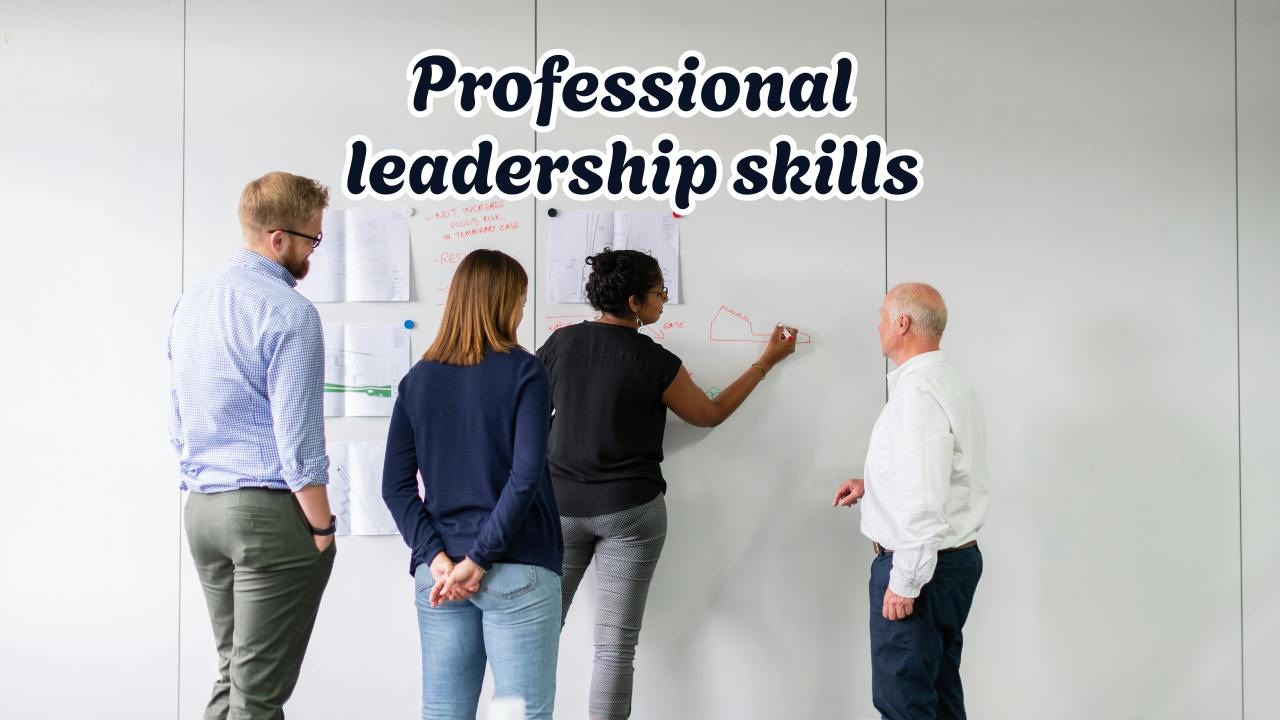
Professional leadership skills are essential in shaping confident teams, driving results, and building a positive workplace culture in today’s fast-changing organizations. Strong leaders do more than manage tasks they inspire people, create clarity during change, and guide teams toward shared goals. This article explores how modern leadership goes beyond authority by focusing on effective communication, decision-making, and emotional intelligence.
You’ll learn why developing team motivation, practicing conflict resolution, and strengthening strategic thinking can transform everyday challenges into growth opportunities. Whether you are an aspiring manager or an experienced professional, understanding these core abilities can help you lead with confidence and purpose. By the end, you’ll have a clear overview of the key qualities leaders need to influence others positively, build trust, and achieve long-term organizational success in any professional environment.
Understanding Professional Leadership Skills
Definition and Core Meaning
Professional leadership skills refer to the abilities that help individuals guide teams, influence decisions, and achieve shared objectives within an organization. These skills combine effective communication, decision making, and emotional intelligence to create clarity and trust. Rather than focusing only on authority, this concept emphasizes influence, responsibility, and people development. Leaders who master these abilities can align individual efforts with organizational goals while maintaining ethical standards and mutual respect.
Historical Background and Evolution
The idea of professional leadership skills has changed significantly over time. Early leadership models were based on control and hierarchy, where power defined success. As workplaces evolved, research highlighted the importance of team collaboration, employee engagement, and adaptability. Modern leadership now focuses on service, empathy, and strategic vision. With globalization and digital transformation, leaders are expected to guide diverse teams and respond quickly to change, making people centered leadership more relevant than ever.
Importance in Modern Workplaces
Building Trust and Direction
In today’s dynamic environment, professional leadership skills play a key role in building trust and providing direction. Leaders who communicate clearly and listen actively create psychological safety. This allows employees to share ideas freely and contribute confidently. Strong leadership also helps teams stay focused during uncertainty by setting priorities and explaining the bigger picture.
Supporting Organizational Growth
Organizations rely on professional leadership skills to remain competitive. Leaders influence culture, innovation, and performance. When leadership is consistent and values driven, teams are more resilient. This directly supports organizational growth, improves workplace culture, and strengthens long term sustainability, even during periods of change.
Key Benefits for Individuals and Teams
Personal Development Benefits
Developing professional leadership skills enhances self awareness and confidence. Leaders learn to manage stress, make informed choices, and inspire others through example. These abilities support career advancement and improve credibility across departments.
Some key individual benefits include
•Improved decision making
•Stronger emotional intelligence
•Higher professional credibility
Team and Organizational Advantages
For teams, professional leadership skills encourage collaboration and accountability. Employees feel valued and motivated, which has a positive effect on productivity and morale. Clear leadership also reduces misunderstandings and supports conflict resolution in a constructive way, resulting in healthier working relationships.
Common Challenges in Developing Leadership Abilities
1.Internal Challenges
Many professionals struggle when developing professional leadership skills due to self doubt or lack of experience. Moving from an individual contributor role to a leadership role requires a mindset shift. Balancing authority with empathy can feel challenging, especially when managing former peers.
2.External and Workplace Barriers
External pressures such as tight deadlines, organizational politics, and resistance to change can limit leadership effectiveness. Leaders may also face challenges with diverse teams, remote communication, and evolving expectations. Overcoming these barriers requires consistent practice, feedback, and support from the organization.
Real World Applications and Examples
Leadership in Action
In practical settings, professional leadership skills are visible when a manager guides a team through change by communicating openly and addressing concerns. For example, during a restructuring process, a leader who practices strategic thinking and empathy can reduce anxiety and maintain productivity. Such leaders focus on solutions rather than blame, creating confidence during uncertainty.
Skills That Make a Noticeable Difference
Strong leaders often demonstrate certain abilities consistently in daily work. These abilities influence outcomes without relying on formal authority.
Key examples include
•Using effective communication to align goals
•Applying conflict resolution during disagreements
•Encouraging team motivation through recognition

Strengthening Leadership for the Future
Continuous Learning and Growth
Developing professional leadership skills is an ongoing process. Leaders must seek learning opportunities, embrace feedback, and reflect on their actions. Training programs, mentoring, and self development all support continuous improvement.
Preparing for Future Challenges
As workplaces continue to evolve, the demand for adaptable leadership will increase. Leaders who invest in professional leadership skills will be better prepared to guide teams through technological change, cultural shifts, and complex decision making. By building trust, encouraging collaboration, and focusing on people, leadership becomes a powerful driver of lasting success.
Conclusion
Strong professional leadership skills are essential for guiding teams, building trust, and achieving sustainable success in modern workplaces.Strong leaders use clear communication, emotional intelligence, and strategic thinking to inspire others and handle challenges with confidence.. By understanding the evolution, benefits, and real world applications of leadership, individuals can strengthen their ability to influence others positively.
Investing time in leadership development enhances team collaboration, supports healthy workplace culture, and improves decision making. Ultimately, refining professional leadership skills empowers individuals to lead with purpose, adaptability, and long term impact.