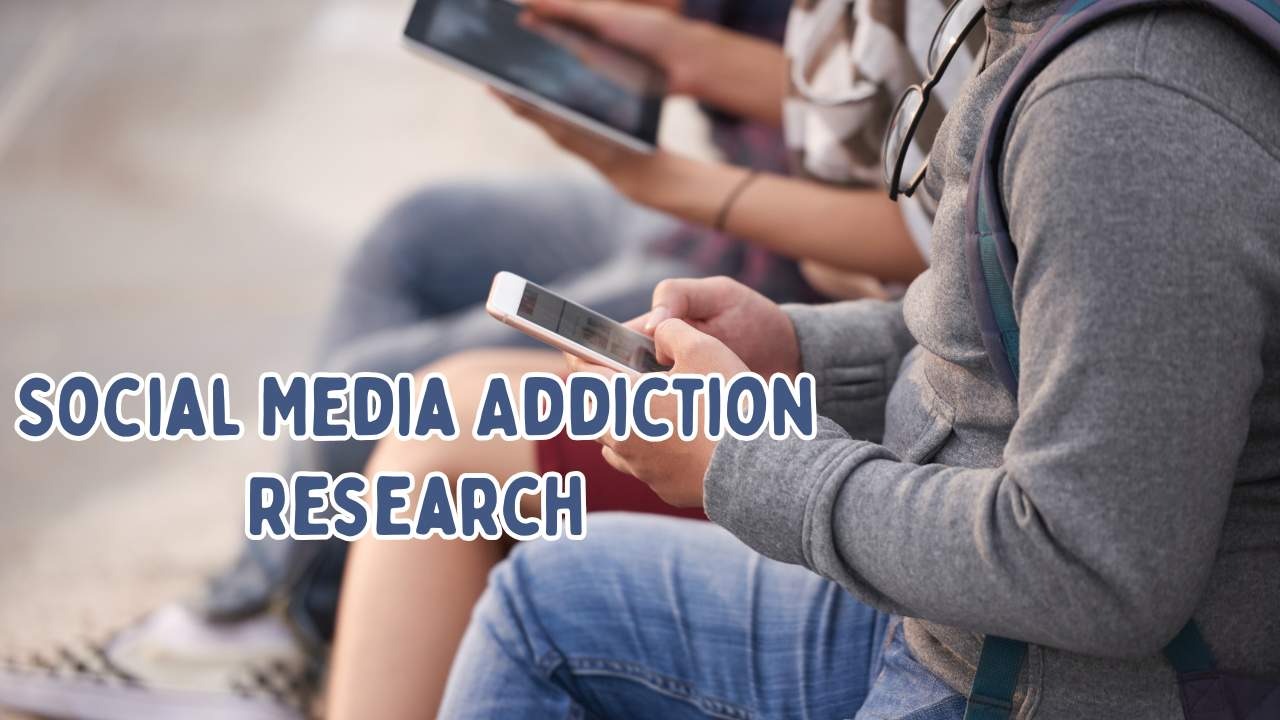
Understanding social media addiction research has become increasingly important as digital habits continue to influence our daily lives. With many individuals spending countless hours scrolling, posting, and engaging online, concerns around digital dependency and its impact on mental health are growing rapidly. Recent studies reveal surprising connections between excessive use and issues such as emotional exhaustion, anxiety symptoms, and behavioral changes among users.
This article, titled “Social Media Addiction Research: What New Studies Reveal About Digital Dependency,” explores the latest findings, highlights key patterns, and explains how constant online interaction affects overall well-being. By examining expert insights and updated data, readers will gain a clearer understanding of how online behavior shapes personal and psychological health.
Understanding the Depth of Social Media Addiction Research
The growing field of social media addiction research explores how online platforms influence human behavior, emotional balance, and daily routines. As digital technology becomes more deeply integrated into life, researchers are uncovering strong patterns of digital dependency, compulsive scrolling, and behavioral changes that affect people of all ages. This section focuses on defining these patterns and explaining why understanding them is essential.
Related Article: Screen addiction: Understanding and managing digital dependency
Current findings from social media addiction research indicate that constant engagement can shape mental health, emotional well-being, and overall productivity. By examining these details, readers can gain a clearer understanding of how online habits influence long-term stability.
Background and Historical Development of Digital Dependency
Early Stages of Online Behavior
In the early 2000s, social media began as a simple tool for connection. As platforms expanded, so did user interaction.Mostly centered on time spent online, but modern studies reveal that emotional triggers, reward-seeking behavior, and attention overload now play major roles.
Evolution of Digital Habits
Growth of Constant Connectivity
With smartphones becoming universally accessible, the rise of continuous social engagement accelerated rapidly. New findings show that notifications, endless content, and algorithm-driven feeds contribute to higher levels of emotional stimulation. This shift has transformed digital use from casual interaction to persistent reliance, which social media addiction research directly links to stress levels, sleep disruption, and mood fluctuations.
Importance of Studying Digital Addiction
Studying it is crucial for safeguarding emotional balance in a world where digital habits shape decision-making and identity. Researchers emphasize that prolonged exposure increases risks such as anxiety symptoms, reduced focus, and diminished self-control. Understanding these patterns allows parents, teachers, and individuals to build healthier digital routines. Furthermore, this area of research highlights the importance of digital literacy, emotional awareness, and healthy screen boundaries to support everyday functioning. As social media addiction research continues to expand, it also provides valuable insights into how online engagement affects communication styles, personal relationships, and cognitive development.
Key Components That Shape Addiction
Psychological Triggers
It highlights that reward loops, instant gratification, and validation-seeking behavior are among the primary psychological triggers. These elements motivate users to continue returning to platforms, often without conscious intention.
Behavioral and Emotional Influences
Impact of Social Validation
Studies show that likes, comments, and shares stimulate dopamine release, creating cycles of emotional dependence. This repeated stimulation pushes users toward more frequent platform use.
Influence of Online Comparison
Many individuals fall into patterns of social comparison, leading to reduced self-esteem, emotional stress, and distorted self-perception. It identifies these factors as major contributors to compulsive engagement.
Benefits Highlighted in Recent Studies
Although the focus often falls on risks, social media addiction research also identifies several benefits when usage is balanced and intentional. Some of the most important advantages include:
•Access to educational content, supportive online groups, and mental health resources
•Opportunities for creative expression, identity exploration, and self-discovery
These positive aspects demonstrate that social platforms are not inherently harmful; rather, the challenge lies in developing healthy digital habits, mindful engagement, and a balanced approach to online interaction.
Challenges Identified Through Research
Increasing Emotional Pressure
Many studies indicate that excessive online activity leads to rising levels of emotional tension, stress buildup, and overthinking patterns. These challenges often intensify when combined with external factors such as academic pressure or social expectations.
Disruption of Daily Life
Cognitive and Behavioral Effects
Users experiencing digital dependency often struggle with attention difficulties, productivity loss, and frequent mental fatigue. As social media addiction research expands, it draws strong connections between constant digital stimulation and reduced concentration.
Impact on Sleep and Physical Health
Prolonged screen exposure especially before bed interferes with sleep quality, energy levels, and overall physical wellness. Many teenagers and adults report restlessness, insomnia, and general exhaustion linked to excessive nighttime scrolling.

Real-World Examples and Research Patterns
Recent findings offer clear examples of how digital addiction manifests in everyday life.
1.Many users report checking social media automatically upon waking, demonstrating habitual behavior rooted in psychological triggers
2.Studies show that individuals engaging with platforms for more than three hours daily experience increased emotional sensitivity, irritability, and stress reactions
3.Younger users frequently display signs of impulse-driven activity, including rapid switching between apps and difficulty disconnecting
These patterns reinforce what social media addiction research consistently reveals: that digital behaviors shape emotional balance and daily decision-making.
Broader Implications for Society
The growing awareness created by social media addiction research encourages communities to develop stronger digital wellness strategies. Schools are adopting programs that teach responsible technology use, workplaces are promoting screen-time management, and families are learning to create healthy communication practices around digital routines. As reliance on technology expands, this research becomes crucial in protecting long-term emotional stability and personal growth.
Conclusion :
In conclusion, it highlights how constant online engagement shapes modern behavior, emotional balance, and daily routines. Studies show that excessive use can increase anxiety, emotional stress, and reduced self-control, while intentional use supports digital wellness, self-awareness, and healthier communication patterns. By understanding the findings presented through ongoing social media addiction research, individuals, parents, and educators can promote safer digital habits and reduce risks linked to compulsive scrolling and digital dependency. Building mindful routines is essential for maintaining long-term mental well-being in a highly connected world.