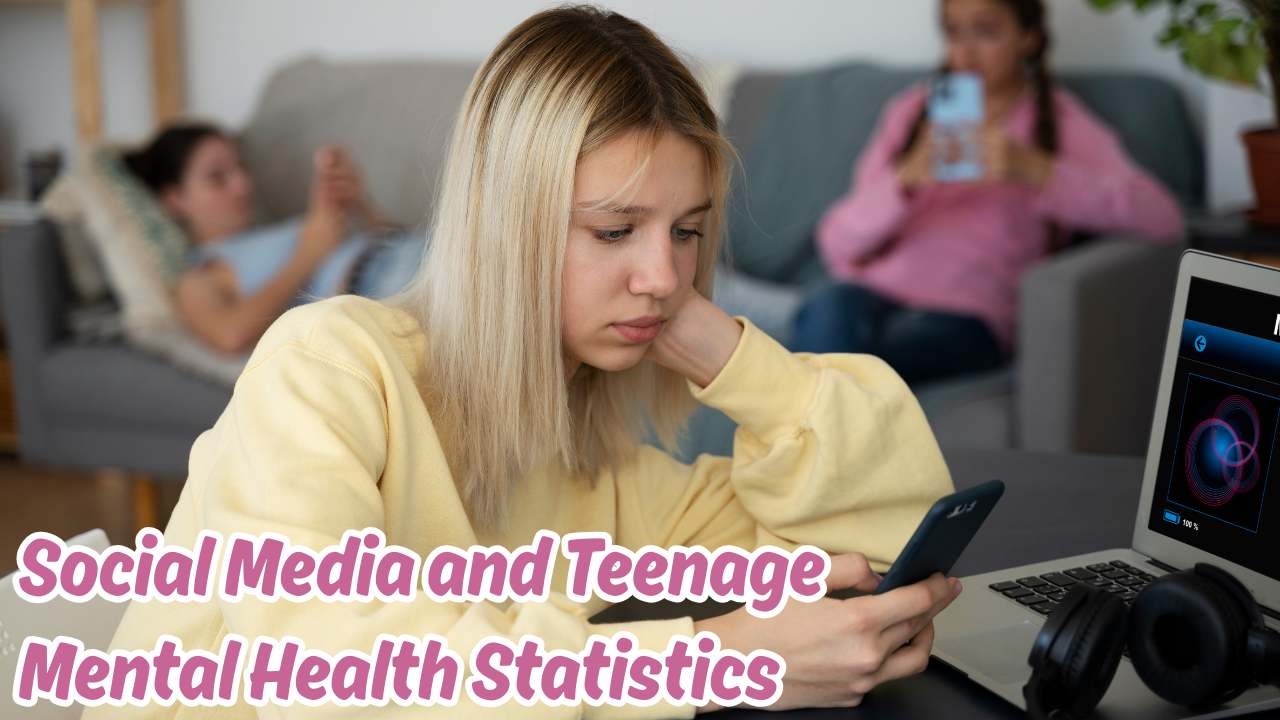
In today’s digital era, social media and teenage mental health statistics are more important than ever as parents, educators, and researchers strive to understand the online world’s impact on youth. With teens spending hours on platforms like Instagram, TikTok, and Snapchat, questions arise about teen depression, anxiety levels, and emotional well-being linked to constant connectivity. Recent studies shed light on patterns of screen time, social comparison, and cyberbullying, revealing both risks and surprising insights into teenage behavior.
This article will explore current research, highlight critical mental health trends, and provide actionable insights for guardians and educators. By examining reliable statistical data and expert analyses, we aim to clarify how social media shapes teen psychology and offer a balanced understanding of its influence.
Understanding Social Media and Teenage Mental Health Statistics
In recent years, social media and teenage mental health statistics have become a focal point for researchers, educators, and parents alike. With the rise of platforms like TikTok, Instagram, Snapchat, and YouTube, teenagers are increasingly exposed to online content that can influence their emotional well-being, self-esteem, and social behaviors. Understanding these statistics is crucial to recognizing the potential risks and benefits of digital engagement. Studies reveal patterns of screen time, cyberbullying, social comparison, and their links to anxiety levels, depression, and mood swings in teens.
By exploring these trends, stakeholders can develop informed strategies to protect mental health while encouraging healthy social interactions.
Background and History of Social Media Impact on Teens
The digital landscape saw the initial growth of social networking with platforms like MySpace and Facebook emerging during the early 2000s.Initially, these platforms were tools for connecting friends and family, but over time, they evolved into influential spaces shaping teenagers’ identity development, peer relationships, and communication habits. Recent social media and teenage mental health statistics show a notable increase in screen dependency, where teens spend an average of 3–5 hours daily online.
Historical data highlights that as social media usage grew, there was a corresponding rise in reports of sleep disturbances, academic stress, and social isolation. Understanding this history helps contextualize modern concerns about digital addiction and its long-term effects on teen mental health.
Importance of Monitoring Teenage Mental Health Online
Monitoring teen mental health in the age of social media is vital for fostering emotional resilience. Research emphasizes that excessive use of social media can contribute to emotional instability, peer pressure, and negative body image perceptions.
However, social media and teenage mental health statistics also show that positive online engagement, such as joining supportive communities, can enhance social support networks and self-expression. Parents and educators must focus on promoting digital literacy, healthy online habits, and awareness of cyberbullying prevention strategies to safeguard teen well-being.
Key Factors Influencing Teenage Mental Health
Screen Time and Exposure
Extended screen time is one of the most significant contributors to mental health challenges in teens. Statistics indicate that adolescents spending more than four hours daily on social media report higher rates of anxiety, depression, and sleep issues. Limiting screen exposure and encouraging offline hobbies such as reading, sports, and creative activities can improve emotional resilience.
Social Comparison and Peer Pressure
Teens often compare themselves to curated content posted by peers or influencers. This social comparison can negatively affect self-esteem and body image, leading to mood swings and feelings of inadequacy. Research highlights that platforms emphasizing visual content increase the risk of negative self-perception among adolescents.
Cyberbullying and Online Harassment
In the current digital age, cyberbullying has emerged as an increasing worry.Studies on social media and teenage mental health statistics reveal that teens experiencing online harassment are more likely to develop anxiety disorders, depression, and withdrawn behavior. Establishing clear anti-bullying policies, reporting mechanisms, and parental supervision can mitigate these effects.
Benefits of Social Media for Teenagers
Despite challenges, social media offers notable advantages when used responsibly. Benefits include:
•Access to educational content, online mental health resources, and peer support networks
•Opportunities for creative self-expression through videos, blogs, and art
•Enhanced communication skills and social connectedness, especially for teens in remote or underserved areas
•Platforms for advocacy, allowing teens to engage in social causes and build leadership skills
These benefits emphasize the importance of balance and guided usage to maximize positive outcomes.

Challenges Highlighted by Recent Statistics
Mental Health Risks
Current social media and teenage mental health statistics indicate a sharp rise in anxiety, depression, and emotional exhaustion among adolescents. Overexposure to online content and the pressure to maintain a perfect online persona contribute significantly to stress levels and social withdrawal.
Sleep Disturbances
Excessive social media use, particularly before bedtime, affects sleep quality. Teens using smartphones late at night often experience insomnia and fatigue, which negatively impacts academic performance and overall emotional stability.
Addiction and Overuse
Many teenagers develop digital addiction, characterized by compulsive checking of notifications and fear of missing out (FOMO). Such behavior correlates with increased irritability, attention difficulties, and reduced real-life social interactions. Parents and educators need to promote screen time management and healthy digital boundaries to counteract these challenges.
Examples and Real-Life Implications
Recent surveys and studies provide concrete examples of the digital impact on teens:
1.A 2023 study revealed that 45% of teens reported feeling anxious after comparing themselves to peers online
2.Another survey indicated that 30% of teenagers experienced cyberbullying, leading to significant emotional distress
3.Data also shows that teens engaging in supportive online communities reported improved self-confidence and reduced feelings of isolation
These examples underline the dual nature of social media: both as a tool for growth and a potential risk to mental well-being
Conclusion:
In conclusion, social media and teenage mental health statistics highlight both the challenges and opportunities of online engagement for adolescents. Excessive screen time, cyberbullying, and social comparison can increase anxiety, depression, and emotional distress, while positive interactions promote self-esteem, social support networks, and emotional resilience. Understanding these trends empowers parents, educators, and teens to create healthy digital habits and foster balanced mental well-being. By monitoring usage and encouraging responsible online behavior, we can ensure that social media becomes a tool for growth rather than a source of psychological strain.