The growing epidemic of social media dependency has captured scientific attention as researchers uncover alarming neurological consequences affecting millions worldwide. Modern neuroscience now exposes the hidden mechanisms trapping users in compulsive digital consumption cycles.
This comprehensive guide explores the intersection of addiction neuroscience, behavioral psychology, and digital wellness to reveal escape pathways toward lasting freedom. You will discover research-backed insights rooted in brain chemistry and compulsive behavior patterns explaining dependency development.
Understanding social media dependency empowers recognition of warning signs and implementation of evidence-based recovery strategies. Whether experiencing personal struggles or supporting loved ones, this knowledge becomes invaluable for achieving mental wellness. Let us explore the fascinating science behind digital dependency together.
Defining Social Media Dependency
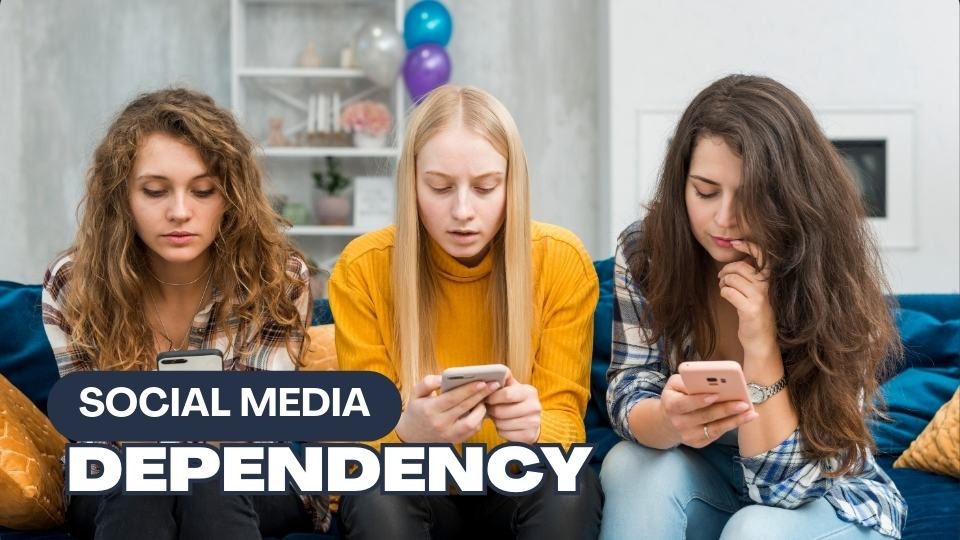
Social media dependency refers to a psychological condition where individuals develop compulsive and uncontrollable urges to engage with digital platforms despite negative consequences. This condition involves persistent preoccupation with checking feeds, posting content, and seeking validation through online interactions. Behavioral psychology classifies this pattern as a behavioral addiction sharing characteristics with substance dependencies.
The distinction between heavy usage and genuine dependency centers on control and life impact. Casual enthusiastic users can disengage when necessary without significant distress. Those experiencing true addiction feel overwhelming anxiety when separated from platforms involuntarily.
The Core Characteristics Explained
At its foundation, this condition manifests through several recognizable patterns identified by addiction neuroscience researchers. Tolerance development requires increasing engagement duration for equivalent satisfaction levels. Withdrawal symptoms emerge when access becomes restricted creating genuine psychological discomfort.
Compulsive behavior patterns override conscious intentions to limit usage duration. Individuals continue engaging despite recognizing harmful impacts on relationships, careers, and mental wellness. These characteristics mirror established addiction criteria used for clinical diagnosis.
Historical Background and Scientific Recognition
Scientific investigation into social media dependency accelerated following widespread smartphone adoption during the early 2010s. Initial research focused primarily on behavioral observations and self reported usage patterns. Researchers lacked sophisticated tools for examining actual neurological changes occurring from constant connectivity.
Brain imaging technology advancement revolutionized understanding by enabling direct observation of neural activity patterns. Scientists documented altered brain chemistry among heavy users matching patterns observed in recognized addictions. These discoveries transformed theoretical concerns into empirically validated conditions.
From Observation to Clinical Recognition
Early skepticism questioned whether behavioral addictions without substances could create genuine dependency. However, mounting neurological evidence silenced critics revealing identical dopamine system responses. Professional organizations began developing diagnostic criteria specific to technology addiction.
Former platform executives publicly acknowledged intentional design choices exploiting psychological vulnerabilities. These admissions validated concerns that addictive potential was deliberately engineered rather than accidental. This historical context strengthens understanding of social media dependency as a legitimate condition.
Why Understanding This Condition Matters Today
Examining social media dependency has become essential as global usage rates continue climbing exponentially. Research documents concerning correlations between excessive engagement and declining mental wellness indicators. Anxiety and depression rates have risen alongside increasing platform penetration particularly among younger demographics.
Studies demonstrate that untreated dependency worsens progressively without appropriate intervention. Early recognition enables treatment before consequences become severe and recovery becomes more challenging. Understanding these dynamics protects individuals and communities from escalating harm.
The Critical Significance
Addiction neuroscience confirms that prolonged dependency creates structural brain changes affecting impulse control capabilities. These neurological alterations make self regulation increasingly difficult over time. The brain adapts requiring increasing stimulation for equivalent satisfaction levels.
Behavioral psychology research reveals concerning impacts on developing adolescent brains showing particular vulnerability. Professional performance, relationship quality, and overall life satisfaction correlate directly with usage patterns. These realities underscore why informed awareness matters profoundly.
Key Indicators and Warning Signs
Understanding social media dependency requires examining specific behavioral and emotional indicators documented through research. Multiple signs often appear together creating recognizable patterns distinguishing addiction from enthusiastic usage. Honest assessment against these criteria provides clarity about personal situations.
Consider these documented dependency indicators:
- Experiencing withdrawal symptoms including anxiety, restlessness, and irritability when unable to access platforms
- Failed repeated attempts to reduce usage despite genuine conscious desire to limit engagement
- Neglecting important responsibilities including work, relationships, and physical health due to scrolling
- Using platforms as primary emotional regulation mechanism escaping negative feelings consistently
- Continuing excessive engagement despite recognizing harmful impacts on mental wellness and relationships
Understanding Severity Assessment
Beyond identifying presence of dependency indicators, researchers recognize varying severity levels requiring different intervention approaches. Mild cases may respond effectively to self directed digital wellness strategies implemented independently. Moderate to severe situations often benefit from professional support.
Compulsive behavior intensity determines appropriate intervention strategies for successful recovery. Those experiencing multiple severe indicators should consider consulting addiction specialists. Honest severity assessment guides selection of effective treatment approaches.
Challenges and Recovery Strategies
Despite understanding social media dependency conceptually, breaking free presents significant challenges for most affected individuals. Platform integration into modern professional and social life makes complete abstinence impractical. Finding balanced usage patterns rather than total elimination becomes the realistic recovery goal.
The brain chemistry changes from prolonged engagement require time to normalize during recovery. Withdrawal symptoms create genuine discomfort during initial reduction attempts. Understanding that temporary distress represents healing progress maintains motivation through difficult periods.

Evidence-Based Treatment Approaches
Digital wellness recovery follows principles established through addiction neuroscience research on behavioral dependencies. Environmental modifications reducing automatic triggers prove highly effective for most individuals. Removing applications from home screens eliminates constant visual prompts triggering engagement.
Establishing specific usage windows replaces unlimited access patterns with structured engagement boundaries. Digital detox periods allow neurological recovery from constant stimulation patterns. Alternative activities providing genuine satisfaction fill voids previously triggering compulsive checking behaviors.
Real World Examples and Recovery Success
Examining social media dependency through concrete examples illustrates both dangers and recovery possibilities effectively. Celebrities including Selena Gomez and Tom Holland have publicly discussed platform breaks protecting their mental wellness. Their experiences normalize acknowledging dependency without associated shame.
Research from behavioral psychology organizations documents successful recovery stories across all demographics globally. Participants report reclaiming hours daily previously lost to mindless scrolling. Relationships improve significantly as present moment engagement replaces constant digital distraction patterns.
Mental health professionals confirm that social media recovery remains achievable through evidence-based strategies and consistent commitment. Former addicts describe experiencing genuine liberation and restored impulse control following structured treatment approaches. Their journeys prove that understanding this condition empowers lasting transformation toward healthier fulfilling lives.
Conclusion
Understanding social media dependency represents essential knowledge for protecting mental wellness and reclaiming control over your digital life. Throughout this guide, we explored the addiction neuroscience foundations, warning indicators, and evidence-based recovery strategies enabling lasting transformation.
By recognizing compulsive behavior patterns, implementing digital detox periods, and committing to structured treatment approaches, you break free from neurological traps effectively. Addressing social media dependency empowers genuine healing and restored impulse control.
Your journey toward balanced digital wellness begins with honest acknowledgment today. Start implementing these strategies and experience the liberation of healthy technology relationships.