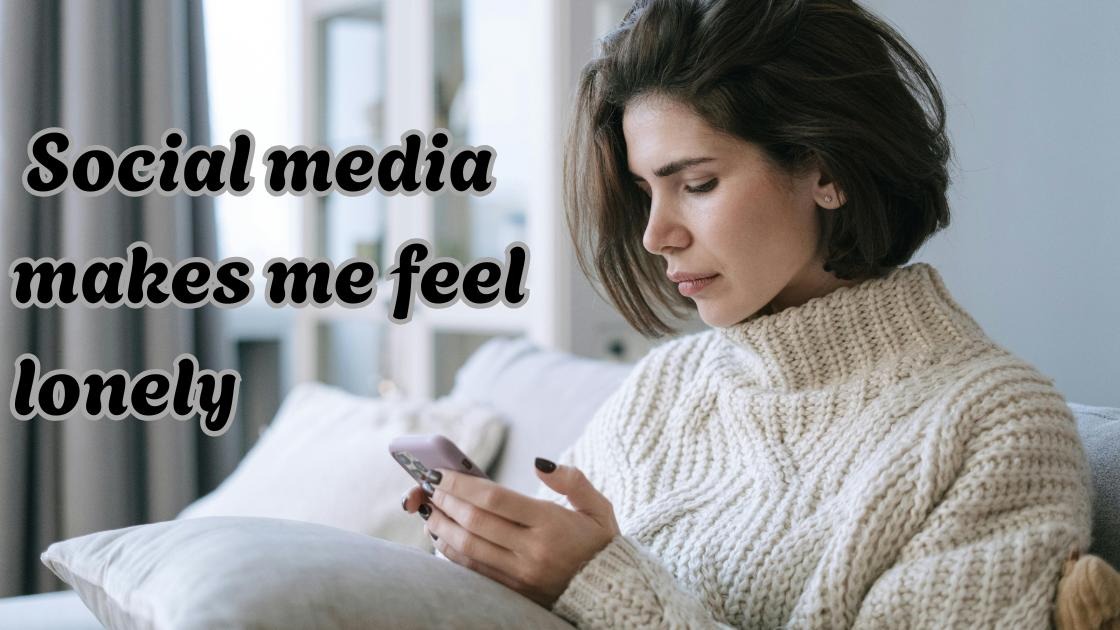
In today’s hyperconnected world, Social media makes me feel lonely is a thought many people quietly share despite constant online interaction. Scrolling through perfectly curated posts can create emotional distance, comparison, and a sense of exclusion rather than connection.
This article explores how excessive online engagement impacts mental and emotional well-being, why digital validation often feels empty, and how virtual interactions can replace meaningful relationships. It also highlights the role of digital isolation, online comparison, emotional disconnect, mental health awareness, and virtual relationships in shaping modern loneliness.
By understanding these patterns, readers can learn how to build healthier online habits and restore balance between digital life and real-world connections.
Understanding Why Social media makes me feel lonely
What the Feeling Really Means
The phrase Social media makes me feel lonely reflects an emotional gap between online interaction and real human connection. While platforms promise constant communication, they often lack depth and empathy. Users may have hundreds of connections yet still feel unseen or unheard. This loneliness stems from passive scrolling, limited emotional exchange, and reliance on digital validation instead of genuine conversations.
Over time, this pattern contributes to emotional disconnect and growing digital isolation, especially when online life replaces face-to-face bonding.
The Evolution of Social Media and Human Connection
From Social Tool to Emotional Trigger
Social media initially emerged to help people stay connected across distances. However, as platforms evolved, algorithms began prioritizing engagement over well-being. This shift encourages comparison, highlights curated lifestyles, and minimizes authentic interaction. As a result, many users report that Social media makes me feel lonely even when they are constantly online. The rise of online comparison culture has reshaped how individuals measure self-worth and belonging.
How Social Media Impacts Emotional Well-Being
The Psychology Behind Online Loneliness
When users consume idealized content daily, they may feel inadequate or excluded. This psychological response reduces self-esteem and increases emotional stress. Likes and comments provide temporary satisfaction but rarely offer lasting fulfillment. Over time, dependence on digital feedback weakens real world connections and deepens feelings of isolation.
Key Emotional Effects
1.Increased self comparison and insecurity
2.Reduced attention span in conversations
3.Dependency on external validation
4.Weakened emotional expression
5.Heightened sense of social exclusion
Key Factors That Trigger Loneliness Online
Passive Consumption vs Active Interaction
Actively messaging friends can strengthen bonds, but endless scrolling creates emotional distance. Passive use encourages observation rather than participation, reinforcing the idea that others are happier or more successful.
Algorithm Driven Content
Algorithms promote content that provokes reaction, not connection. This often amplifies extremes and reduces meaningful dialogue, leading many to feel that Social media makes me feel lonely despite constant updates.
Benefits and Drawbacks of Social Media Use
Positive Aspects When Used Mindfully
Social media can support long-distance relationships, offer communities for shared interests, and raise mental health awareness. When used intentionally, it can complement offline life rather than replace it.
Challenges That Lead to Loneliness
1.Lack of deep emotional engagement
2.Overexposure to curated lifestyles
3.Decreased face-to-face interaction
4.Distorted perception of reality
5.Increased feelings of isolation
The Role of Virtual Relationships
Are Online Bonds Enough
Virtual relationships can feel supportive, but they often miss nonverbal cues such as tone and body language. These missing elements are essential for emotional closeness. Without them, communication may feel incomplete, reinforcing loneliness rather than reducing it.
When Virtual Connections Help
Online communities can be beneficial for individuals with limited mobility or niche interests. However, balance is crucial to prevent digital isolation and emotional burnout.
Practical Ways to Reduce Loneliness from Social Media
Building Healthier Digital Habits
Recognizing that Social media makes me feel lonely is the first step toward change. Limiting screen time, curating positive content, and prioritizing meaningful interactions can restore emotional balance.

Simple Actionable Tips
1.Set daily usage limits
2.Engage in direct conversations instead of scrolling
3.Unfollow accounts that trigger comparison
4.Schedule offline social activities
5.Use social media with clear intention
Real Life Examples and Use Cases
1. Everyday Experiences
A student scrolling through peers achievements may feel left behind despite academic success. A professional may feel disconnected after replacing in-person networking with online updates. These examples show how Social media makes me feel lonely across different age groups and lifestyles.
2. Finding Connection Beyond the Screen
Social media should enhance life, not define it. Strengthening real world connections, practicing mindful usage, and valuing authentic communication help reduce loneliness. By understanding emotional triggers and adjusting habits, users can transform social media into a supportive tool rather than a source of isolation.
Conclusion
In a digitally connected era, Social media makes me feel lonely highlights a growing emotional challenge many users face today. The article explored how excessive scrolling, online comparison, and shallow interactions weaken real world connections and increase digital isolation. While social platforms offer convenience and reach, mindful usage is essential to protect mental health awareness and emotional well-being. Understanding these effects empowers individuals to build healthier habits, balance virtual relationships, and seek deeper connections beyond screens. Addressing this issue is crucial for creating a more meaningful and emotionally connected digital experience.