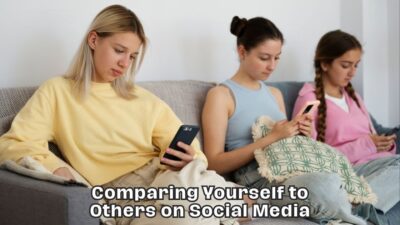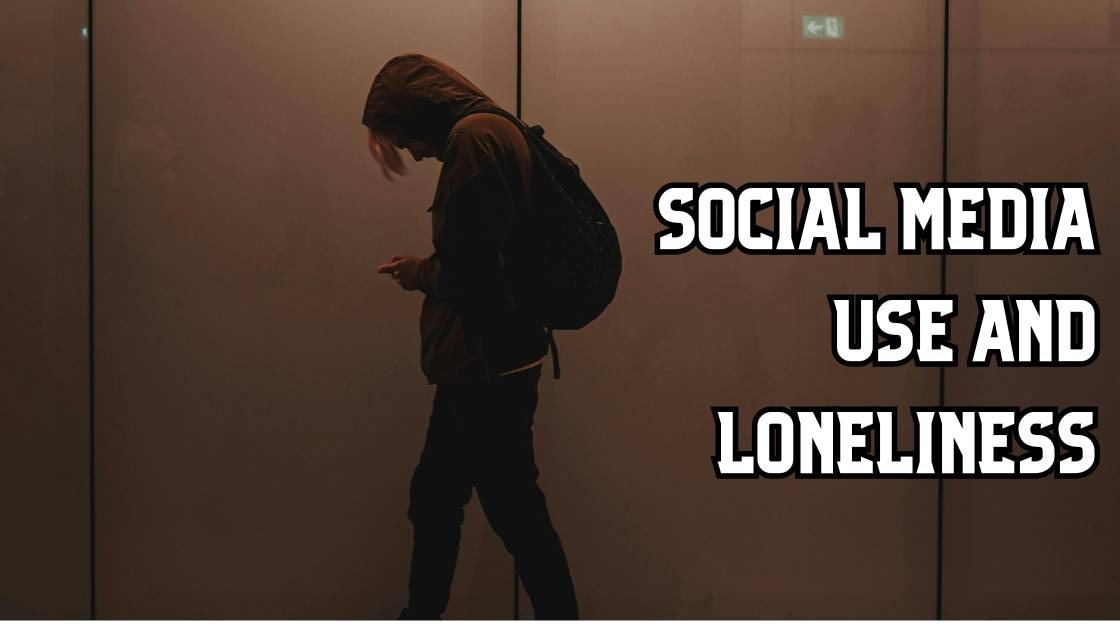
In today’s digital age, social media use and loneliness are closely linked, affecting millions worldwide. While platforms like Facebook, Instagram, and Twitter promise connection, excessive use can sometimes amplify social isolation, emotional disconnect, and mental health challenges. Many users experience a paradoxical feeling: being constantly connected online yet feeling detached in real life.
This article explores the impact of social media on personal well-being, the psychological mechanisms behind digital loneliness, and practical strategies to maintain a healthy online-offline balance. By understanding the relationship between screen time, virtual interactions, and emotional fulfillment, readers will gain insight into managing social media use without compromising meaningful relationships. Whether you’re a casual user or a digital enthusiast, this guide offers actionable tips to navigate modern connectivity thoughtfully.
Understanding Social Media Use and Loneliness
Social media use and loneliness has become a growing concern in today’s digital society. Social media platforms were initially designed to connect people, foster communication, and share experiences. Over time, however, researchers noticed that excessive engagement could sometimes increase feelings of isolation, emotional disconnection, and psychological stress. Understanding this phenomenon requires exploring both the advantages and drawbacks of online interactions. While social media allows for instant communication and access to global communities, it can also replace meaningful face-to-face connections, leading to a sense of digital loneliness.
Definition and Overview
What is Social Media Use?
Social media use refers to engaging with platforms such as Facebook, Instagram, Twitter, TikTok, and LinkedIn for communication, entertainment, or information sharing. It includes posting content, commenting, messaging, and browsing feeds. Over the past decade, social media has become deeply integrated into daily life, affecting personal and professional relationships.
Understanding Loneliness in the Digital Era
Loneliness is a subjective feeling of being disconnected or isolated, even when surrounded by others. With the rise of social media, many individuals report feeling lonelier despite constant online interactions. This paradox highlights the complexity of virtual connections and their effect on mental well-being.
Importance and Significance
Why It Matters
Studying social media use and loneliness is essential because prolonged digital engagement can impact emotional health, self-esteem, and overall life satisfaction. Research suggests that excessive social media use may lead to decreased empathy, social anxiety, and a weaker sense of community belonging. Understanding these effects helps individuals make informed choices and encourages healthier digital habits.
Key Features and Types of Social Media Use And Loneliness
Social media platforms differ in functionality and usage patterns, which can influence their impact on loneliness.
- Networking Platforms – Facebook and LinkedIn allow professional and personal networking.
- Visual Platforms – Instagram and Pinterest focus on images, which may trigger social comparisons.
- Short-form Content Platforms – TikTok and Snapchat emphasize quick content consumption.
- Discussion Forums – Reddit and Quora provide spaces for topic-based engagement.
- Messaging Apps – WhatsApp, Messenger, and Telegram facilitate private conversations.
Each type has unique features affecting social interactions and the potential for digital isolation.
Benefits and Advantages
Despite its potential drawbacks, social media offers several benefits when used mindfully:
-Instant communication across distances enhances relationships and support networks.
-Access to information and knowledge broadens awareness and learning opportunities.
-Community groups provide emotional support for mental health challenges.
-Creative platforms allow users to express themselves and showcase talents.
-Professional networking strengthens career growth and collaborative opportunities.
These advantages show that social media is not inherently harmful but requires balanced usage to prevent loneliness.
Challenges and Drawbacks
Excessive or unhealthy social media use can contribute to feelings of loneliness through several mechanisms:
- Social Comparison – Constant exposure to curated lives can reduce self-esteem.
- Reduced Face-to-Face Interaction – Online engagement may replace real-world socialization.
- Addiction and Overuse – Excessive screen time can interfere with daily activities.
- Cyberbullying and Negative Feedback – Negative interactions harm emotional well-being.
- Information Overload – Constant updates may create stress and fatigue.
Understanding these challenges helps users identify patterns that may increase social isolation.

How Social Media Contributes to Loneliness
Social media affects loneliness through multiple psychological and behavioral pathways. Users may feel temporarily connected but experience deeper emotional disconnect. Algorithms that prioritize engagement often promote passive scrolling, leading to reduced meaningful interactions. Additionally, the pressure to maintain a curated online persona can intensify feelings of inadequacy and mental fatigue.
Recommendations and Tips for Healthy Use
To reduce the negative impact of social media on loneliness, consider these strategies:
- Set time limits for daily social media use.
- Prioritize meaningful interactions over passive scrolling.
- Engage in offline activities to strengthen real-world relationships.
- Follow supportive communities rather than purely entertainment content.
- Reflect on emotional responses and adjust usage habits accordingly.
Applying these tips can enhance well-being, reduce digital isolation, and foster a healthier online-offline balance.
Use Cases and Real-Life Examples
Many studies illustrate the link between social media use and loneliness. For instance, students who spend excessive hours on Instagram often report higher levels of social anxiety. Conversely, individuals using platforms to maintain relationships with distant family and friends may experience improved emotional support. Companies and mental health organizations are also leveraging social media to provide community engagement programs, highlighting that intentional use can be highly beneficial.
Conclusion
In today’s digital world, social media use and loneliness can significantly impact emotional well-being and social connections. While social media provides opportunities for community support, instant communication, and information sharing, excessive or unbalanced use may lead to digital loneliness, social isolation, and reduced real-world interactions. By understanding the psychological effects of online engagement and applying practical strategies, individuals can enjoy the benefits of social media while maintaining meaningful relationships. Mindful use promotes a healthier balance between online interaction and real-life connection, fostering both emotional fulfillment and social resilience.