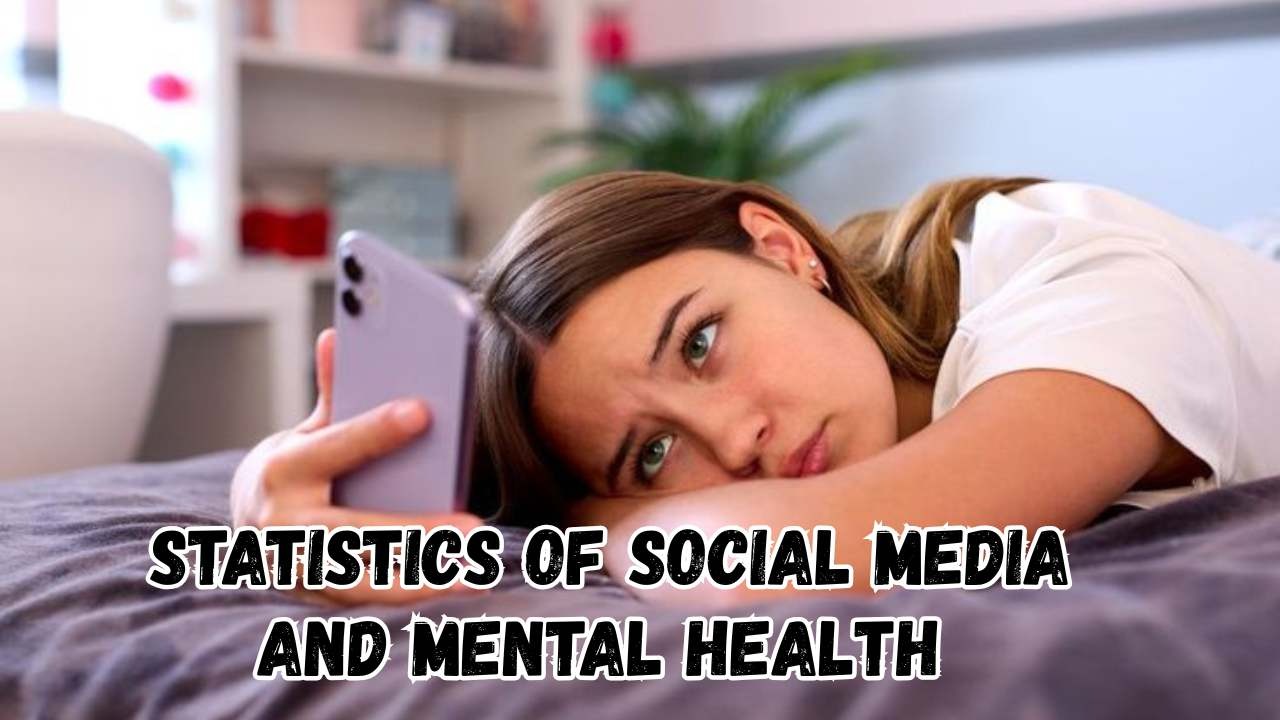
In today’s digital era, statistics of social media and mental health reveal eye-opening insights that every parent needs to understand. With platforms dominating daily routines, children and teenagers are increasingly exposed to content that can impact their emotional well-being.
This article dives into the latest social media usage trends, highlighting alarming effects on mental health, screen time habits, and anxiety and depression correlations. We will explore adolescent social interactions, digital addiction patterns, and how these factors influence overall emotional resilience. By examining the most recent studies and revealing surprising numbers, parents can gain a clear perspective on potential risks and actionable steps to protect their children. Prepare to uncover the reality behind the screens and understand why these shocking statistics matter more than ever.
Understanding the Impact of Social Media on Mental Health
The statistics of social media and mental health show that online platforms have become a double-edged sword in modern life. While digital connectivity and online engagement provide opportunities for learning, networking, and entertainment, excessive usage has raised significant concerns about emotional well-being, especially among teenagers and young adults. Research indicates that children spending more than three hours daily on social media are more likely to experience stress, anxiety, and depressive symptoms. These findings highlight the importance of balancing screen time habits with offline interactions and promoting healthy digital behavior patterns within families.
Historical Context of statistics of social media and mental health
Social media platforms emerged in the early 2000s as tools for connecting people globally. Over time, platforms like Facebook, Instagram, and TikTok transformed from simple communication tools into highly interactive environments influencing psychological health. Early studies focused on statistics of social media and mental health, while modern research increasingly emphasizes the relationship between social media addiction, sleep disruption, and declining emotional resilience. Understanding the historical growth of these platforms helps parents, educators, and mental health professionals address the rising concerns surrounding digital consumption patterns and mental well-being risks.
Key Trends Revealed by Recent Statistics
Recent statistics of social media and mental health reveal that over 70% of teenagers report daily use of at least one social media platform. Among these users:
- Over 60% feel increased anxiety due to online comparisons
- 45% experience sleep disturbances linked to nighttime screen use
- 30% show signs of digital addiction affecting school and social life
These numbers underscore the importance of monitoring screen exposure, understanding online behavioral patterns, and encouraging positive emotional development. Parents who are aware of these trends can intervene proactively to support teen mental health.
Effects of Social Media on Emotional Well-Being
Excessive engagement with social media platforms can significantly influence mood regulation, self-esteem, and cognitive health. Studies suggest that prolonged exposure to curated content may trigger social comparison and feelings of inadequacy. Teenagers and young adults are especially vulnerable to peer pressure online and cyberbullying, which can exacerbate symptoms of depression and anxiety. On the other hand, when used mindfully, social media can foster social connectivity, encourage creative expression, and provide access to valuable mental health resources. Understanding the dual nature of these platforms is essential for mitigating risks while promoting positive outcomes.
Positive Aspects and Benefits of Social Media
Despite the concerns, social media has some notable benefits:
• Enhanced social connectivity: Platforms allow users to maintain friendships and connect globally
• Access to mental health resources: Online support groups, therapy apps, and wellness communities
• Creative expression opportunities: Sharing artwork, videos, or blogs can boost self-confidence
• Learning and knowledge sharing: Educational content and informative discussions improve cognitive skills
By emphasizing these benefits, parents and educators can encourage healthier engagement and leverage social media as a tool for personal growth and emotional learning.
Challenges and Risks for Teen Mental Health
The challenges highlighted by statistics of social media and mental health are particularly concerning for adolescents:
• Digital addiction patterns leading to reduced physical activity and offline interaction
• Exposure to inappropriate content, including violent or adult material
• Cyberbullying and online harassment causing emotional distress
• Fear of missing out (FOMO) and social comparison increasing anxiety
Recognizing these risks enables parents to set practical limits, promote screen-free activities, and foster healthy social skills that strengthen resilience.
Practical Strategies to Mitigate Negative Effects
Managing social media’s impact on mental health requires proactive strategies. Parents and caregivers can:
• Encourage digital detox routines to limit excessive usage
• Promote offline hobbies like reading, sports, or arts and crafts
• Maintain open communication about online experiences and challenges
• Teach critical thinking skills to evaluate online content and interactions
These measures help cultivate emotional resilience, reduce the prevalence of stress and anxiety, and maintain balanced digital engagement among teenagers.

Case Studies and Examples
Several studies illustrate the effects of social media on mental health. For example, one study found that teenagers who limited social media use to 30 minutes a day reported significantly lower levels of anxiety and higher levels of self-esteem. Another research project revealed that consistent exposure to supportive online communities improved the coping abilities of young adults experiencing stress or depression. These examples highlight that while risks exist, thoughtful engagement and digital wellness strategies can foster positive outcomes.
Conclusion:
To sum up, the statistics of social media and mental health reveal the significant impact of screen time habits, digital addiction patterns, and exposure to cyberbullying on teenagers and young adults. While social media can enhance social connectivity, provide access to mental health resources, and foster emotional resilience, excessive use can lead to anxiety, depression, and other challenges affecting psychological health.
By staying aware of these trends and promoting balanced digital behavior patterns, parents and caregivers can help children enjoy the benefits of social media while safeguarding their overall emotional well-being.