I never imagined that TikTok and anxiety would become such a defining part of my early twenties until endless scrolling started stealing my sleep, my focus, and my peace of mind. What began as harmless entertainment slowly turned into a habit that fed my social media mental health struggles in ways I didn’t recognize at first.
Like millions of young adults, I found myself trapped in a cycle of doom scrolling, comparing my life to perfectly curated videos, and feeling worse every time I put my phone down. The constant pressure to keep up with trends fueled my digital stress, and before I knew it, my screen time anxiety was through the roof. TikTok and anxiety became so closely linked in my daily life that separating the two felt almost impossible.
This article is not a clinical study or a lecture. It is a raw, honest account of how I recognized the toxic relationship between TikTok and anxiety, the practical steps I took to reclaim my digital wellbeing, and the lessons I learned along the way. Whether you are a teenager, a college student, or a working professional struggling with social media addiction, my story may resonate with you more than you expect.
Throughout this post, I will share what actually worked for me, what didn’t, and how small intentional changes helped me break free from a pattern that was quietly damaging my mental health. If you have ever felt that familiar knot in your stomach after a late-night TikTok binge, keep reading because this journey might just mirror your own.
Understanding the Connection Between TikTok and Anxiety
Before I share the details of my personal experience, it is important to understand why TikTok and anxiety are so deeply connected in the first place. TikTok is designed to keep users engaged through an algorithm that serves endless, highly personalized content. This creates a feedback loop where your brain constantly craves the next dopamine hit, making it incredibly hard to stop scrolling.
For young adults like me, this endless content consumption quietly builds tension, restlessness, and a persistent feeling of inadequacy. The platform thrives on comparison, whether it is someone’s lifestyle, appearance, achievements, or even their mental health journey. When you are already vulnerable to stress and overthinking, TikTok and anxiety can become an inseparable pair without you even noticing.
How the Algorithm Fuels Mental Health Struggles
The TikTok algorithm learns what keeps you watching. Unfortunately, that often includes emotionally triggering or overstimulating content. Over time, the app begins feeding you more of what sparks a reaction, and not always a positive one. This is where TikTok and anxiety begin to reinforce each other in a dangerous cycle.
Research from multiple digital wellness organizations has confirmed that short form video platforms can increase symptoms of generalized anxiety, especially in users between the ages of 18 and 30. The constant exposure to curated perfection, alarming news clips, and emotionally charged content puts your nervous system on high alert, even during what feels like casual browsing.
My Experience: When Scrolling Became a Source of Stress
The Early Days of Harmless Fun
When I first downloaded TikTok, it was purely for entertainment. I loved watching funny skits, cooking hacks, and motivational clips. There was no sign that TikTok and anxiety would eventually become a real problem in my life. Everything felt light and enjoyable during those initial months.
The Turning Point
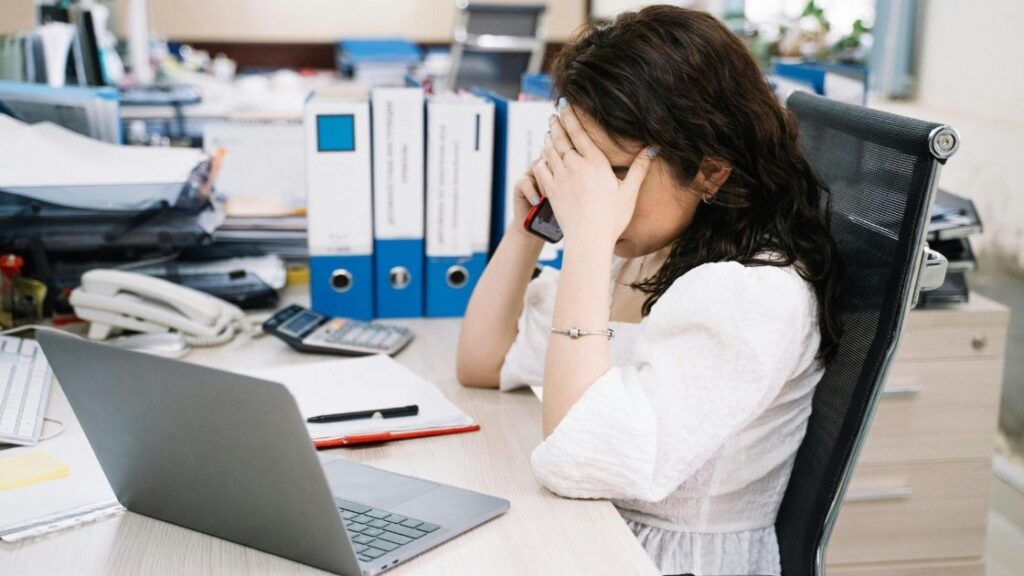
Things shifted when I started spending three to four hours daily on the app. My sleep quality dropped dramatically because I was scrolling until 2 AM most nights. I began comparing my progress in life to influencers who seemed to have everything figured out. TikTok and anxiety quietly crept into my routine, and I started waking up feeling drained, irritable, and mentally foggy.
Recognizing the Physical Symptoms
What surprised me the most was how TikTok and anxiety manifested physically. I experienced frequent headaches, a racing heartbeat before bed, and a constant sense of restlessness. My screen time habits were directly affecting my body, not just my mind. It took me weeks to connect the dots and realize that my overconsumption of content was the root cause.
Key Signs That TikTok May Be Increasing Your Anxiety
Not everyone experiences TikTok and anxiety the same way. However, there are common warning signs that suggest the platform might be negatively impacting your emotional wellbeing. Based on my experience and what I have learned from mental health professionals, here are some red flags to watch for.
- You feel restless or uneasy after a long scrolling session
- Your self esteem drops after watching lifestyle or beauty content
- You struggle to fall asleep because your mind races with what you just watched
- You feel guilty about how much time you spent on the app but cannot seem to stop
- You notice increased irritability or sadness that was not there before using TikTok
If any of these sound familiar, you are not alone. TikTok and anxiety affect millions of users worldwide, and acknowledging the problem is always the first step toward change.
Steps I Took to Break the Cycle
Overcoming TikTok and anxiety did not happen overnight. It required intentional effort and a willingness to change habits I had grown comfortable with. Below are the practical steps that genuinely helped me regain control over my mental health and my relationship with social media.
Setting Firm Screen Time Boundaries
I started by using the built in screen time management tools on my phone. I set a daily limit of 30 minutes for TikTok and enabled notifications that reminded me when my time was up. This single change made a massive difference in reducing TikTok and anxiety triggers throughout my day.
Curating My Feed With Intention
Instead of passively consuming whatever the algorithm served me, I actively started following accounts focused on mindfulness, mental health education, and positive psychology. By reshaping my feed, I turned TikTok from a source of stress into a more balanced and even helpful space.
Replacing Scrolling With Healthier Habits
One of the biggest breakthroughs in managing TikTok and anxiety was replacing late night scrolling with better alternatives. Here are five habits that worked for me.
- Reading a book for 20 minutes before bed instead of reaching for my phone
- Practicing deep breathing exercises when I felt the urge to open the app
- Going for short evening walks to clear my mind and reduce digital fatigue
- Journaling my thoughts to process emotions without relying on content consumption
- Scheduling phone free hours during the morning and before sleep
These small but consistent changes helped me break the automatic connection between boredom and TikTok, which significantly reduced my anxiety symptoms over time.
Why Talking About TikTok and Anxiety Matters
There is still a stigma around admitting that a social media app is affecting your mental health. Many people dismiss TikTok and anxiety as an exaggeration or a generational weakness. But the reality is that technology induced anxiety is a legitimate and growing concern backed by emerging research.
By sharing stories like mine, we normalize the conversation and encourage others to evaluate their own digital habits honestly. TikTok and anxiety do not have to define your daily experience. With awareness, the right boundaries, and a commitment to your wellbeing, it is entirely possible to enjoy the platform without letting it control your peace of mind.
The most important thing I learned through this entire journey is that you are not weak for struggling with this. You are simply human, navigating a digital world that was engineered to keep your attention at all costs. Recognizing that is not a flaw. It is the beginning of taking your power back.
Conclusion
Looking back, my struggle with TikTok and anxiety taught me something that no viral video ever could that real peace comes from being present in your own life, not from watching someone else live theirs. The journey was not easy, and there were plenty of days when I slipped back into old patterns. But every small step I took toward healthier digital habits added up to a transformation I never thought was possible.
The truth is that TikTok is not inherently evil. It is a powerful platform that can educate, entertain, and connect people across the world. The problem begins when we lose control over how much we consume and allow the algorithm to dictate our emotions. Understanding the relationship between TikTok and anxiety gave me the clarity I needed to set boundaries and take back ownership of my mental health.
If there is one thing I want you to take away from this article, it is that you have more power over your screen time and emotional wellbeing than you think. Whether it means setting daily limits, curating your feed, practicing mindfulness, or reaching out to a professional, every action counts. Social media anxiety does not have to define your life, and breaking free from doom scrolling is a choice you can make starting today.
Your mental health will always be more valuable than any amount of likes, views, or followers. If my experience with TikTok and anxiety resonated with you, I encourage you to take that first step today. Put the phone down, take a deep breath, and remind yourself that you deserve a life beyond the screen.