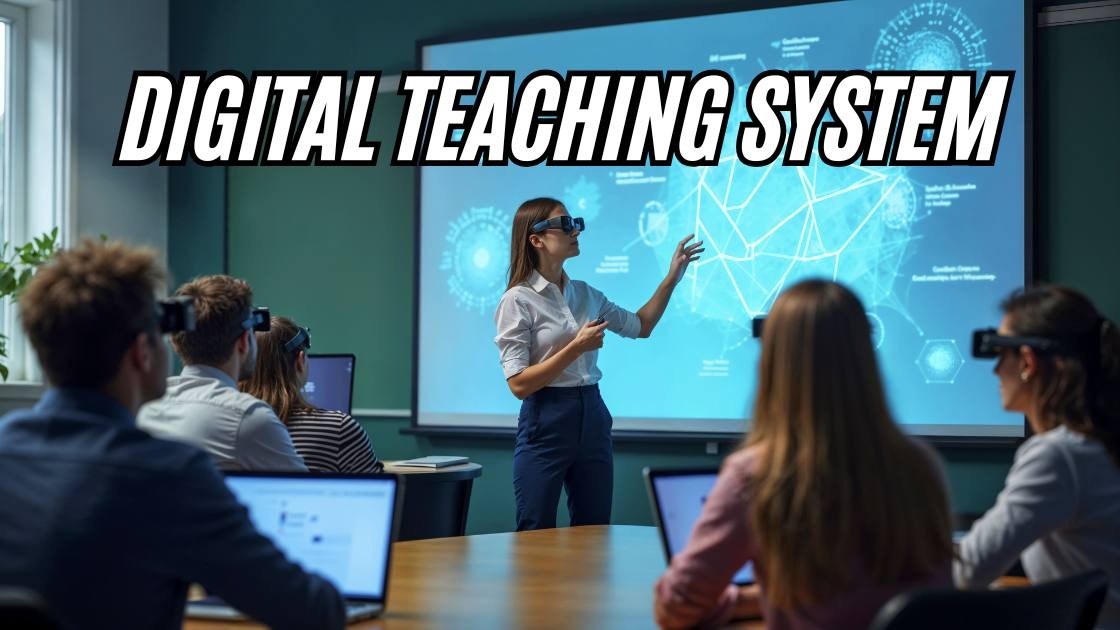
Digital teaching system technology has revolutionized how educators deliver knowledge and students absorb information in today’s connected world. Gone are the days when chalkboards and textbooks were the only tools available for instruction. Modern classrooms now embrace smart classroom technology and e-learning platforms that create immersive, engaging experiences for learners of all ages.
This transformation goes beyond simply adding computers to classrooms. It represents a fundamental shift in educational methodology, where interactive lessons replace passive lectures and personalized learning paths cater to individual student needs. Teachers now have powerful tools at their fingertips to track progress, identify struggling students, and adapt their approaches in real time.
In this article, we’ll explore how these innovative systems are reshaping education, the benefits they offer to both teachers and students, and practical strategies for successful online education tools implementation in your institution.
What Is a Digital Teaching System?
A digital teaching system refers to an integrated framework of electronic tools, software, and platforms designed to facilitate instruction and learning. These systems combine hardware like interactive whiteboards, tablets, and computers with software applications that deliver curriculum content, assess student progress, and enable communication between educators and learners.
Unlike traditional teaching methods that rely heavily on printed materials, these modern educational frameworks leverage technology to create dynamic, responsive learning environments. The core components typically include learning management systems, multimedia content delivery, assessment tools, and collaboration features that work together seamlessly.
The Evolution of Classroom Technology
From Chalkboards to Smart Screens
Education technology has undergone remarkable transformation over the past few decades. The journey began with simple overhead projectors and evolved through several stages.
- Early computer labs introduced students to basic computing skills
- Internet connectivity brought access to global information resources
- Interactive whiteboards replaced traditional blackboards
- Cloud based learning platforms enabled anywhere, anytime access to educational content
- Mobile devices and tablets became standard classroom tools
Today’s digital teaching system represents the culmination of these advances, offering comprehensive solutions that address every aspect of the educational experience.
The Rise of Virtual Classrooms
The concept of virtual classroom solutions gained significant momentum, particularly after global events forced educational institutions to rethink traditional delivery methods. Schools and universities discovered that technology could maintain educational continuity even when physical attendance became impossible. This realization accelerated adoption rates and pushed developers to create more sophisticated, user friendly platforms.
Key Benefits of Modern Educational Technology
Enhanced Student Engagement
One of the most significant advantages of implementing a digital teaching system is the dramatic improvement in student participation. Interactive learning tools transform passive listeners into active participants through features such as:
- Real time polling and quizzes that provide instant feedback
- Gamification elements that make learning enjoyable and competitive
- Multimedia content including videos, animations, and simulations
- Collaborative projects that connect students across different locations
- Personalized learning paths that adapt to individual progress
Improved Teaching Efficiency
Educators benefit enormously from educational software platforms that streamline administrative tasks and enhance instructional capabilities. Teachers can now automate grading for objective assessments, track student performance through detailed analytics dashboards, and access vast libraries of pre made educational resources.
These efficiencies free up valuable time that instructors can redirect toward meaningful student interactions, lesson planning, and professional development.
Accessibility and Flexibility
A well implemented digital teaching system breaks down traditional barriers to education. Students with physical disabilities can access materials through assistive technologies. Those in remote areas can participate in quality instruction without relocating. Working professionals can pursue continuing education through blended learning approaches that accommodate their schedules.
Challenges and Considerations
1. Infrastructure Requirements
Successful implementation requires robust technological infrastructure. Schools must ensure adequate internet bandwidth, sufficient device availability, and reliable technical support. Without these foundations, even the most sophisticated systems will underperform.
2. Training and Adoption
Teachers need comprehensive professional development to maximize the potential of new technologies. Resistance to change remains a significant hurdle, particularly among educators comfortable with traditional methods. Institutions must invest in ongoing training programs and create supportive environments that encourage experimentation.
3. Digital Equity Concerns
Not all students have equal access to technology outside school settings. This disparity can create gaps in learning outcomes if technology in education initiatives fail to address equity issues. Schools must develop strategies to ensure all learners can participate fully, regardless of their home circumstances.

Real World Implementation Examples
Many institutions worldwide have successfully adopted comprehensive digital teaching systems. Some schools use tablet based programs where every student receives a device loaded with textbooks, assignments, and communication tools. Universities deploy sophisticated online course management platforms that support thousands of students across multiple programs.
Corporate training departments have also embraced these technologies, using digital systems to deliver consistent instruction to employees across global locations while tracking completion rates and competency development.
Conclusion
The digital teaching system has fundamentally changed how knowledge is delivered and absorbed in modern educational settings. From enhanced student engagement to improved teaching efficiency and greater accessibility, these technological solutions offer tremendous value for institutions willing to embrace change.
While challenges like infrastructure requirements and digital literacy in education gaps exist, the benefits far outweigh the obstacles. As technology continues advancing, educators who adopt these modern classroom solutions will be better positioned to prepare students for an increasingly digital world.
Investing in comprehensive educational technology today means building stronger foundations for tomorrow’s learners and creating more effective, inclusive learning environments for everyone.