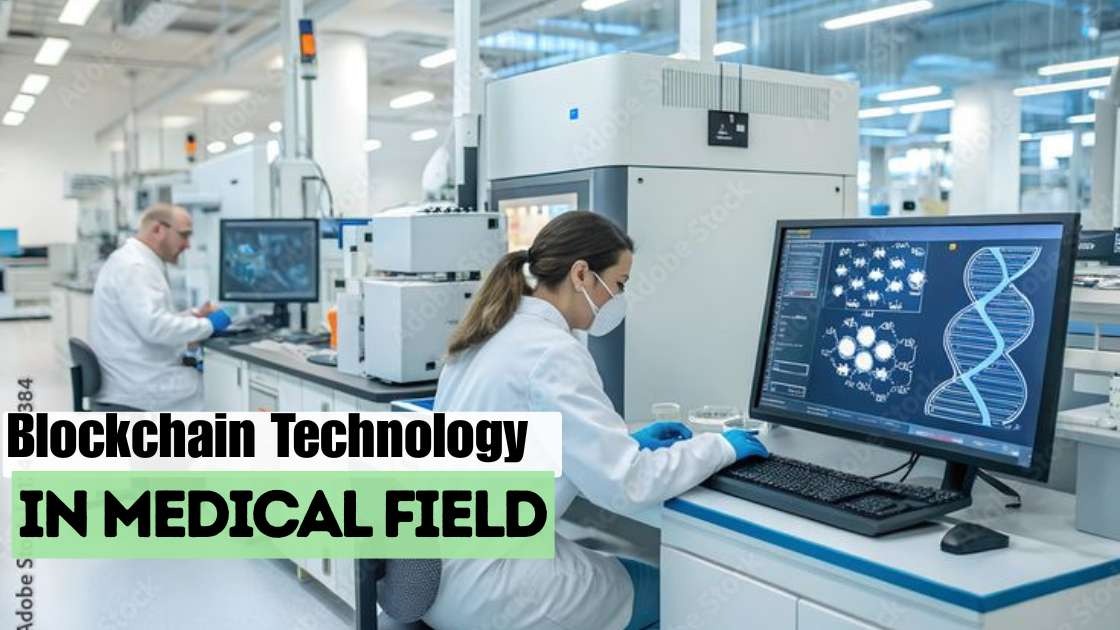
Blockchain technology in medical field is quickly transforming the way healthcare providers handle sensitive patient information. With cyber threats and data breaches on the rise, securing medical records has become more critical than ever.
This article explores how patient data security, digital health records, healthcare blockchain solutions, medical data privacy, electronic health records (EHR), and secure data sharing are being enhanced through blockchain innovation. Readers will learn how blockchain not only strengthens security but also improves transparency, accessibility, and efficiency in healthcare management. From ensuring tamper-proof records to enabling interoperable medical systems, this guide provides a clear understanding of the practical benefits and future potential of blockchain in healthcare. By the end, you’ll see why adopting this technology is a game-changer for medical institutions and patients alike.
Understanding Blockchain Technology in Medical Field
Blockchain technology in medical field is a revolutionary innovation that enables secure and transparent handling of sensitive patient information. At its core, blockchain is a distributed ledger system that stores data across multiple nodes, ensuring that no single entity can manipulate the records. In healthcare, this technology is being applied to digital health records, medical data security, and healthcare management systems to prevent unauthorized access and maintain data integrity. As the healthcare industry becomes increasingly digitized, the need for secure data sharing, interoperable medical systems, and patient data privacy has never been more crucial.
By implementing blockchain, hospitals and clinics can ensure that patient records are tamper-proof, traceable, and accessible only to authorized personnel. This creates a new standard of medical data protection, fostering trust between patients and healthcare providers.
The Background and Evolution of Blockchain in Healthcare
Early Days and Origins
Initially developed for cryptocurrencies like Bitcoin, blockchain technology has gradually found applications beyond finance. Its potential for healthcare innovation, particularly in electronic health records (EHR), medical supply chain management, and secure clinical trials, has attracted the attention of researchers and institutions worldwide.
Adoption in the Medical Field
Healthcare organizations began exploring blockchain to improve patient data security, medical record interoperability, and real-time data management. Pioneering hospitals have implemented blockchain solutions to reduce administrative errors, prevent data breaches, and streamline healthcare operations.
Historical Impact
The integration of blockchain has already shown promising results in protecting sensitive information, tracking medications, and ensuring the authenticity of medical data. Over time, it is expected to become a core part of digital healthcare infrastructure.
Importance of Blockchain Technology in Medical Field
The adoption of blockchain in healthcare addresses several critical challenges that traditional systems face.
Ensuring Patient Data Security
One of the main advantages of blockchain is that it provides a tamper-proof environment for storing medical records. Unauthorized access or accidental data modification becomes nearly impossible, reducing the risk of data breaches.
Enhancing Digital Health Records Accuracy
By using blockchain, hospitals can maintain accurate patient histories, ensuring that healthcare providers always have up-to-date information for diagnosis and treatment.
Promoting Secure Data Sharing
Blockchain allows inter-hospital data exchange without compromising privacy. Authorized personnel can access patient records securely, improving collaboration between healthcare providers.
Benefits of Blockchain in Healthcare
The impact of Blockchain Technology in Medical Field extends beyond security. Here are some key benefits:
- Improved Transparency: Every transaction or update is recorded permanently, creating a transparent system for medical data management.
- Efficient Healthcare Operations: Blockchain reduces administrative burdens and paperwork, allowing staff to focus on patient care.
- **Enhanced Medical Data Privacy: Patient consent is integrated into blockchain systems, ensuring compliance with data protection regulations.
- Better Clinical Trial Management: Blockchain ensures the integrity of clinical trial data, preventing manipulation and fraud.
Supporting Electronic Health Records (EHR)
Blockchain supports EHR by enabling real-time updates, secure storage, and seamless accessibility across multiple healthcare institutions. Patients can grant access to specific providers, ensuring data privacy while improving care coordination.
Challenges in Implementing Blockchain in Healthcare
While the benefits are significant, implementing Blockchain Technology in Medical Field comes with its challenges.
Technical Challenges
Blockchain requires robust infrastructure, and integrating it with existing healthcare management systems can be complex. Hospitals may face issues related to scalability, network latency, and data standardization.
Regulatory and Legal Issues
Healthcare data is highly regulated. Compliance with laws like HIPAA or GDPR requires careful planning to ensure that medical data security and patient privacy standards are maintained.
Cost and Adoption Barriers
Adopting blockchain solutions can be expensive. Smaller clinics may find the cost of infrastructure, training, and maintenance a barrier to implementation.

Real-World Examples of Blockchain in Healthcare
Securing Patient Data
Hospitals in the United States and Europe have successfully implemented blockchain for secure patient data sharing. These systems allow doctors to access verified patient histories without risking medical data breaches.
Supply Chain Management
Blockchain is also used in the medical supply chain to track the origin and movement of medications, ensuring authenticity and reducing counterfeit drugs.
Clinical Trials and Research
Blockchain ensures transparency in clinical trial data, preventing fraud and making research results more reliable. Patients and researchers alike benefit from trustworthy data storage and efficient information access.
Future Prospects of Blockchain in Healthcare
The future of Blockchain Technology in Medical Field is promising. With advancements in digital health records, interoperable medical systems, and secure data sharing, blockchain could redefine the standards of healthcare globally.
Healthcare providers may soon integrate blockchain with AI-driven diagnostics, telemedicine platforms, and remote patient monitoring systems, creating a highly secure and efficient ecosystem. Patients will have more control over their medical data, and healthcare organizations will experience streamlined operations with reduced risks.
Conclusion
In conclusion, Blockchain Technology in Medical Field is revolutionizing the way healthcare organizations manage patient data security and digital health records. By ensuring medical data privacy, enabling secure data sharing, and supporting interoperable medical systems, blockchain strengthens trust between patients and providers while improving operational efficiency.
Despite challenges like regulatory compliance and implementation costs, its benefits in protecting sensitive information and enhancing healthcare workflows are undeniable. Adopting this innovative technology is essential for building a safer, more transparent, and patient-centric healthcare ecosystem that meets the demands of modern medicine.