Unlocking academic success often begins with discovering the best learning methods for students, tailored to individual strengths and study habits. In today’s fast-paced educational environment, students face challenges like information overload, time management issues, and retention difficulties.
This article explores proven study techniques, practical time management strategies, and innovative active learning approaches to enhance understanding and memory. We will also discuss visual learning tools, collaborative learning practices, and self-assessment methods that can transform ordinary study sessions into highly effective learning experiences.
By adopting these strategies, students can boost concentration, retain information longer, and achieve better academic performance. Whether you’re a high school student, university learner, or lifelong learner, understanding these techniques is essential for achieving educational goals efficiently and confidently.
Understanding the Best Learning Methods for Students
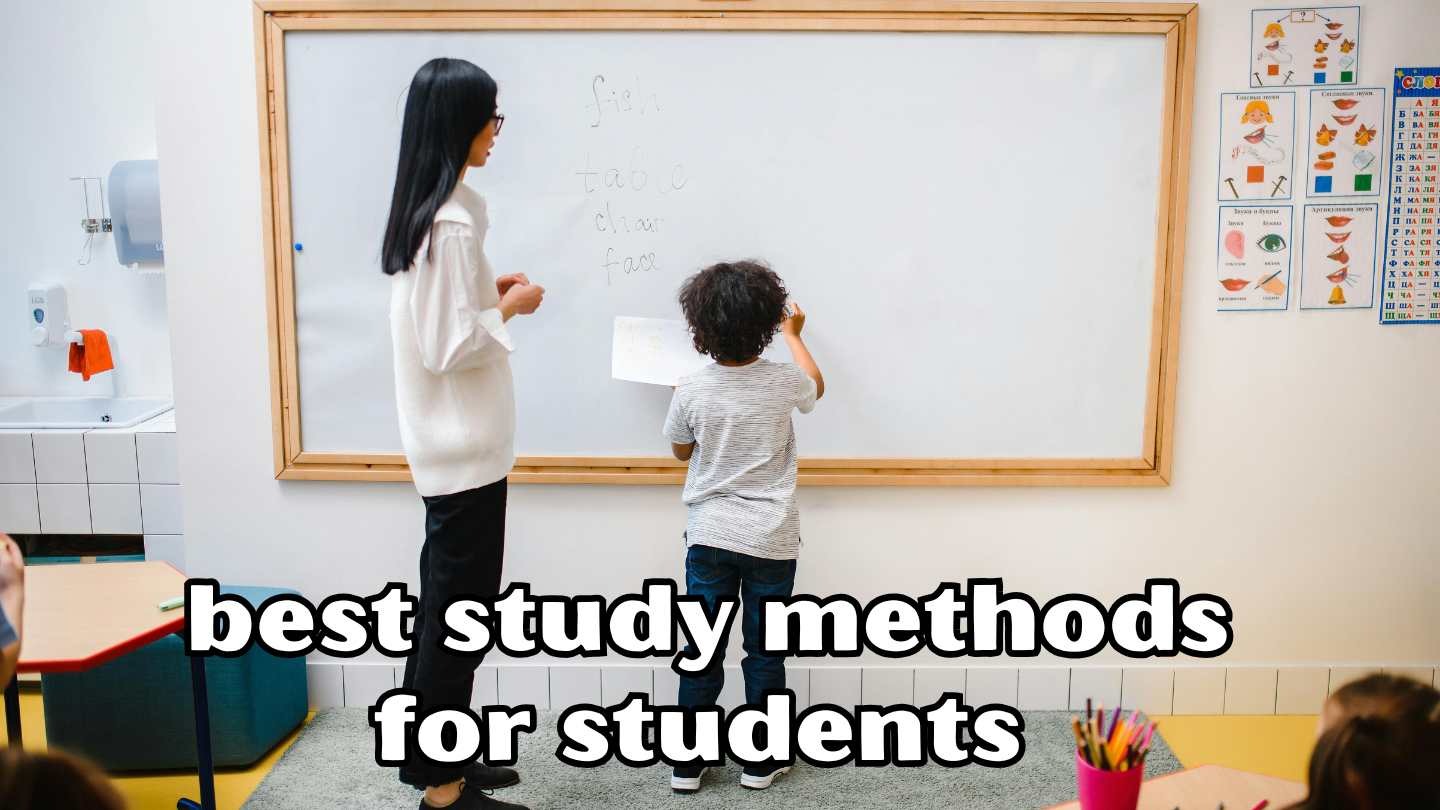
Learning is a dynamic process that goes beyond simply reading textbooks. The best learning methods for students are strategies designed to improve comprehension, retention, and application of knowledge. These methods focus on adapting to individual learning styles, whether visual, auditory, or kinesthetic. By employing structured techniques, students can transform study sessions into efficient and productive experiences. Study techniques such as note-taking, summarization, and mind mapping play a crucial role in shaping effective learning habits.
Importance of Effective Learning Strategies
Implementing the best learning methods for students is essential for academic success. These strategies help learners manage time efficiently, enhance critical thinking skills, and increase information retention. Students who adopt structured learning methods often perform better in exams and develop lifelong learning habits. The ability to learn effectively also boosts confidence and reduces stress associated with last-minute preparation.
Key Features of the Best Learning Methods For Students
Personalized Learning Approaches
Every student learns differently. Personalized methods focus on identifying individual strengths and weaknesses. Tools like visual learning resources, interactive exercises, and digital learning platforms allow students to tailor study sessions to their preferences. Personalized learning also promotes self-motivation and encourages active engagement with the material.
Active Learning Techniques
Active learning encourages students to participate in the process rather than passively consuming information. Techniques include:
- Group discussions to explore multiple perspectives
- Problem-solving exercises to develop analytical thinking
- Practical experiments for hands-on understanding
- Case studies to connect theory with real-world scenarios
- Peer teaching sessions to reinforce knowledge
Time Management and Planning
Effective learning requires proper organization. Students benefit from time management strategies like creating study schedules, prioritizing tasks, and using tools such as planners or digital apps. Structured planning reduces procrastination, improves focus, and ensures balanced preparation across subjects.
Benefits of Using the Best Learning Methods For Students
Adopting effective learning strategies brings multiple advantages:
1.Enhanced retention and recall of information
2.Improved problem-solving and critical thinking skills
3.Reduced study-related stress and anxiety
4.Better academic performance and higher grades
5.Development of independent and self-directed learning habits
Challenges and How to Overcome Them
Even with effective strategies, students may face challenges like distractions, lack of motivation, or difficulty understanding complex topics. Overcoming these requires:
- Setting clear, achievable goals
- Creating a distraction-free study environment
- Breaking down complex concepts into simpler steps
- Using self-assessment methods to track progress
- Seeking guidance from teachers or mentors when necessary
Types of Learning Methods
Visual and Auditory Learning
Visual learners benefit from diagrams, charts, and videos, while auditory learners retain information better through lectures, discussions, and recordings. Incorporating multimedia learning resources can cater to both styles effectively.
Kinesthetic and Experiential Learning
Kinesthetic learners grasp concepts best through hands-on activities and real-life experiences. Techniques like interactive exercises, experiments, and field projects enhance engagement and comprehension.
Collaborative and Peer Learning
Working with peers promotes knowledge sharing and critical evaluation. Group projects, collaborative learning platforms, and discussion forums help students refine ideas and learn collectively.
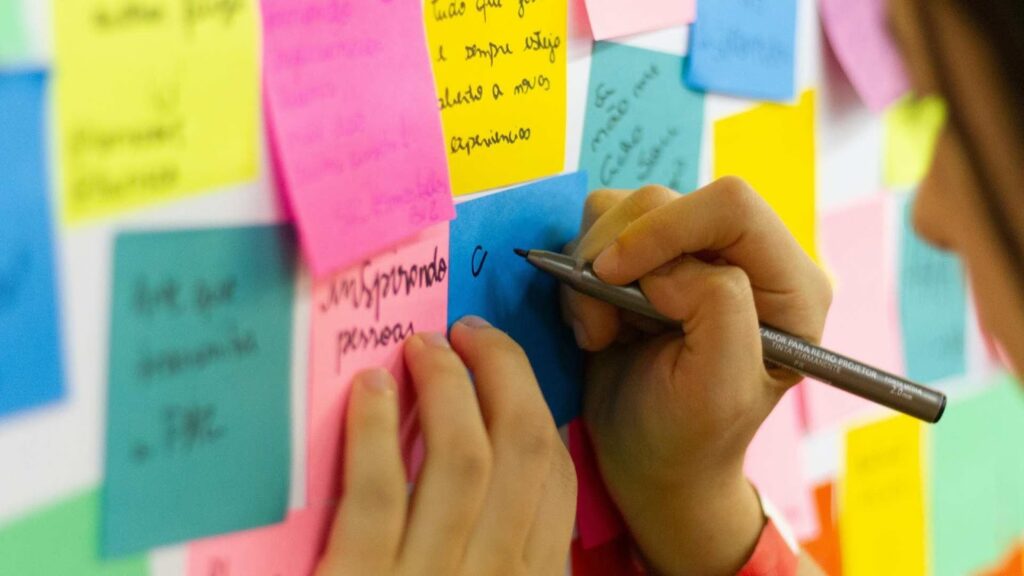
Practical Tips for Implementing Effective Learning
- Set specific study goals for each session
- Use mind mapping and note-taking for better retention
- Combine reading with practical exercises
- Regularly review and revise material
- Utilize digital learning tools to track progress
Recommendations and Use Cases
Students should experiment with different strategies to find what works best. Combining personalized learning approaches with active and collaborative techniques often yields optimal results. Universities and schools increasingly integrate digital learning platforms and interactive tools into curricula to support diverse learning preferences.
By understanding the best learning methods for students and applying them consistently, learners can enhance comprehension, improve academic performance, and cultivate habits that support lifelong learning. These methods are not only useful for exam preparation but also equip students with skills essential for professional and personal growth.
Conclusion
Implementing the best learning methods for students can significantly enhance comprehension, retention, and academic performance. By combining active learning techniques, personalized study approaches, and effective time management strategies, students can overcome challenges like distractions and information overload. Utilizing visual learning tools, collaborative learning practices, and self-assessment methods further strengthens knowledge and boosts confidence. Adopting these strategies not only improves exam results but also cultivates lifelong learning skills. Understanding and applying these approaches ensures students study efficiently, retain information longer, and develop habits that support both academic and personal growth.