I never realized how much social media before bed was destroying my nights until I started waking up exhausted every single morning. Like millions of people, I had developed a nightly habit of endless scrolling through Instagram, TikTok, and Twitter right before trying to fall asleep. The blue light exposure, constant mental stimulation, and addictive content kept my brain wired when it desperately needed rest.
After months of poor sleep quality, difficulty falling asleep, and feeling drained throughout the day, I knew something had to change. This article shares my personal journey of breaking free from nighttime phone use and the simple bedtime routine adjustments that finally restored my sleep health. Whether you struggle with screen time addiction or simply want better rest, the changes I made might help you reclaim peaceful, restorative nights too.
Understanding How Social Media Before Bed Affects Your Sleep Quality
When we use social media before bed, our brains receive constant stimulation that makes winding down nearly impossible. The endless stream of notifications, likes, comments, and new content triggers dopamine releases that keep us mentally alert. Our minds interpret this activity as a signal to stay awake rather than prepare for rest.
The problem extends beyond simple distraction. Smartphones and tablets emit blue light that directly interferes with melatonin production, the hormone responsible for regulating our natural sleep cycle. This disruption confuses our circadian rhythm and makes falling asleep significantly harder, even when we feel physically tired.
How Blue Light Affects Your Brain at Night
Blue light wavelengths are especially powerful at suppressing melatonin. When I scrolled through my feeds at 11 PM, my brain essentially received signals that it was still daytime. Research shows that even thirty minutes of screen exposure before sleep can delay melatonin release by up to three hours.
This biological interference explains why many people who use social media before bed report lying awake for extended periods despite feeling exhausted. The body wants rest, but the brain remains artificially stimulated and cannot transition into sleep mode naturally.
My Personal Experience With Social Media Before Bed
For nearly two years, my evening routine involved climbing into bed and immediately reaching for my phone. What started as five minutes of checking updates often became two hours of mindless browsing. I convinced myself this helped me relax, but the opposite was happening.
The Warning Signs I Ignored
Looking back, the symptoms were obvious but I dismissed them repeatedly.
- Taking over an hour to fall asleep most nights
- Waking up multiple times feeling restless and anxious
- Experiencing morning fatigue regardless of hours spent in bed
- Feeling irritable and unfocused throughout the workday
- Developing eye strain and frequent headaches
These issues accumulated gradually, making them easy to blame on stress or aging rather than my digital habits. Only when I tracked my phone usage and sleep patterns together did the connection become undeniable.
The Emotional Impact of Late Night Content
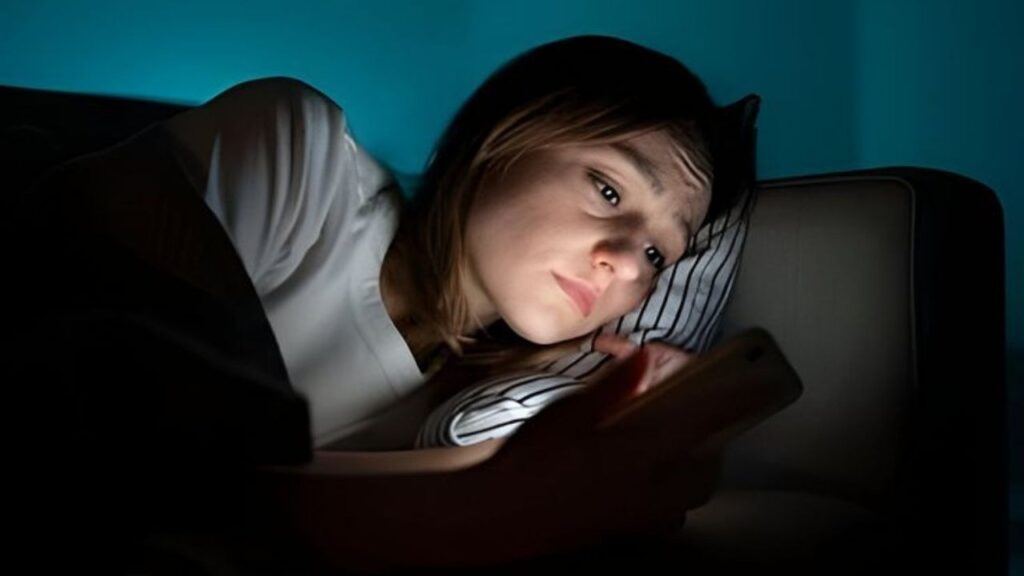
Beyond the physical effects, consuming social media before bed took an emotional toll. Comparing myself to curated highlight reels triggered anxiety. Reading negative news stories elevated my stress levels. Engaging with controversial posts left my mind racing with imaginary arguments.
This mental clutter followed me into sleep, causing vivid stress dreams and restless nights. My bedroom had transformed from a peaceful sanctuary into an extension of the chaotic online world.
The Changes That Restored My Sleep Quality
Recognizing the problem was the first step, but breaking established habits required intentional effort and practical strategies. I experimented with several approaches before finding what worked for my lifestyle.
Creating a Phone Free Bedroom Environment
The most impactful change involved removing my smartphone from the bedroom entirely. I purchased an inexpensive alarm clock and started charging my phone in the living room. This simple adjustment eliminated the temptation to scroll and created physical distance from digital distractions.
Initially, the urge to check my phone felt overwhelming. However, within two weeks, my brain adapted to the new routine. I stopped associating my bed with screen time and began viewing it purely as a space for rest.
Building a Healthier Bedtime Routine
Replacing social media before bed required filling that time with calming alternatives. I developed a consistent evening ritual that signals my body to prepare for sleep.
- Dimming lights one hour before bedtime
- Reading physical books instead of digital content
- Practicing gentle stretching or meditation
- Writing brief journal entries to process daily thoughts
- Listening to relaxing music or ambient sounds
These activities provide mental engagement without the overstimulation that phones deliver. My sleep onset time decreased from over an hour to approximately twenty minutes.
Setting Boundaries With Technology
Complete avoidance felt unrealistic, so I established reasonable limits instead. I enabled night mode settings that reduce blue light emission after sunset. I set app timers that lock social platforms after 9 PM. I also disabled notifications during evening hours to prevent interruptions.
These boundaries helped me maintain connections without sacrificing sleep health. The key was making social media before bed inconvenient rather than completely forbidden, which reduced resistance to the changes.
Conclusion
Breaking my habit of using social media before bed transformed my nights and overall wellbeing completely. The journey required patience, but replacing late night scrolling with healthier bedtime habits delivered remarkable results. Better sleep quality, improved morning energy, and reduced anxiety became my new normal.
If you struggle with nighttime phone use and poor rest, consider implementing even small changes today. Creating a phone free bedroom, establishing an evening routine, and reducing screen time before sleep can make tremendous differences. Your brain and body deserve peaceful nights without the constant stimulation that social media before bed creates. Start tonight and experience the transformation yourself.