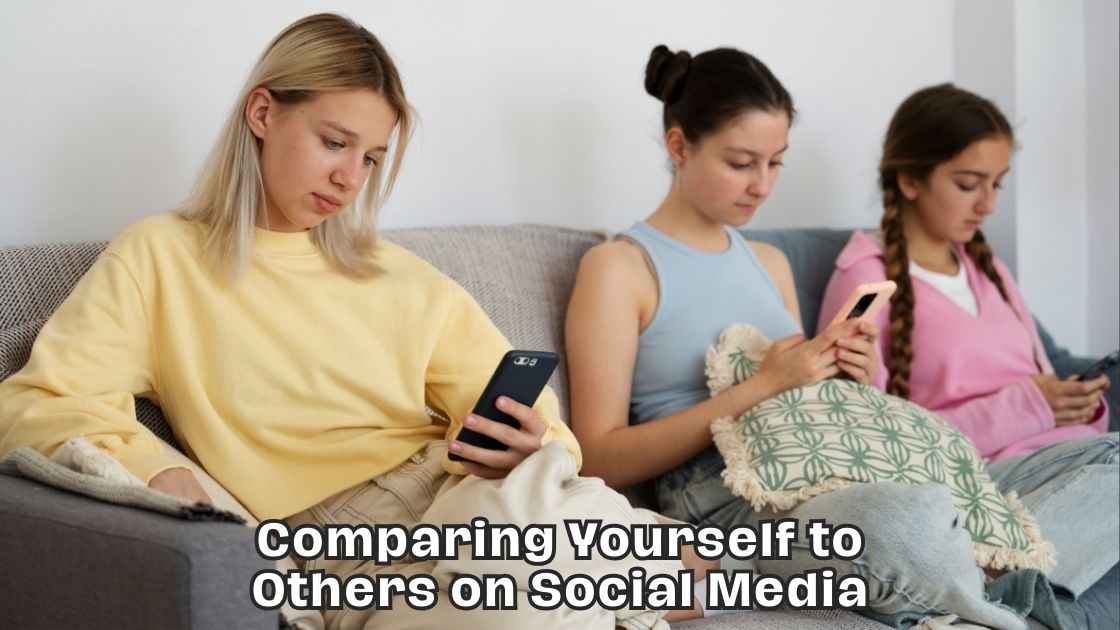
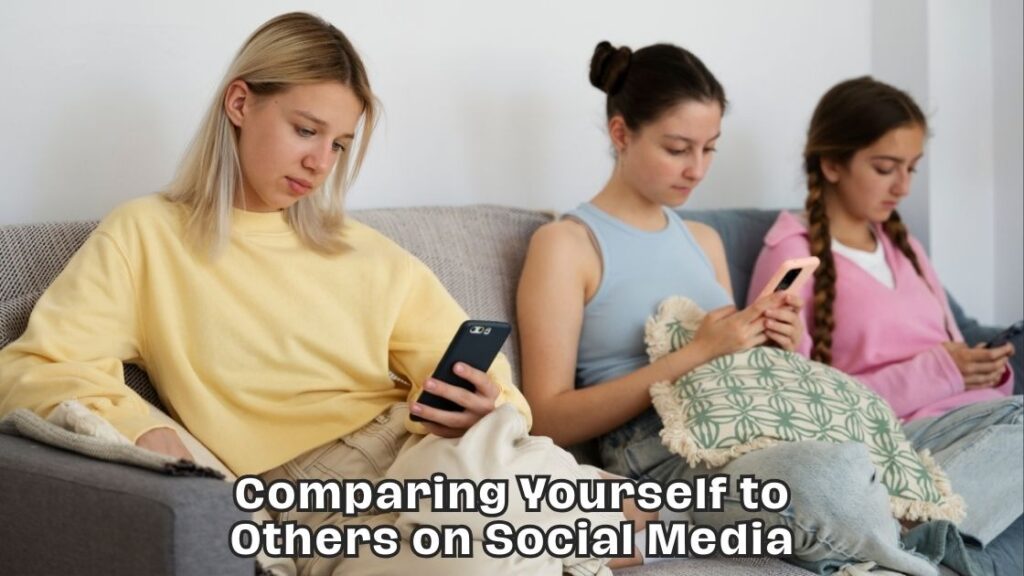
Comparing yourself to others on social media has become an almost unavoidable habit in today’s hyper-connected world, and it is silently chipping away at our emotional well-being. That perfect vacation photo, the dream job announcement, the flawless selfie these curated highlights make our own reality feel painfully ordinary. What starts as harmless browsing quickly turns into a cycle of self-doubt, insecurity, and emotional exhaustion.
The truth is, most of what we see online is a carefully filtered version of reality. Yet our brains struggle to separate what is real from what is staged. This disconnect fuels social media comparison, triggering feelings of low self-esteem, heightened anxiety, and even symptoms of depression. Research consistently shows that the more time we spend measuring our lives against others online, the more our self-worth declines. It is not just a personal feeling it is a well-documented psychological pattern that affects millions of people across every age group.
In this article, we will take a deep dive into how comparing yourself to others on social media truly damages your mental health. You will learn about the psychological mechanisms behind this behavior, understand why certain platforms make it worse, and discover practical, expert-backed strategies to protect your digital wellbeing. Whether you catch yourself envying a friend’s lifestyle or feeling inadequate after a scrolling session, this guide will help you recognize the warning signs and take back control. It is time to stop letting a screen dictate how you feel about yourself. Let’s break the cycle together.
Understanding the Habit of Comparing Yourself to Others on Social Media
Social media was designed to connect people, but somewhere along the way, it became a platform for constant measurement. Comparing yourself to others on social media means evaluating your own appearance, achievements, relationships, or lifestyle against the curated content others post online. This behavior is rooted in what psychologists call “social comparison theory,” first introduced by Leon Festinger in 1954. He proposed that humans have a natural drive to evaluate themselves by looking at others. While this tendency existed long before the internet, social media has amplified it to an unprecedented scale, giving us access to thousands of people’s highlight reels every single day.
Why Social Media Makes Comparison Worse
Traditional comparison happened within small circles neighbors, coworkers, or classmates. Today, platforms like Instagram, TikTok, Facebook, and LinkedIn expose us to millions of strangers living seemingly perfect lives. The algorithms behind these platforms are engineered to show content that triggers engagement, which often means emotionally charged or aspirational posts. This creates an environment where comparing yourself to others on social media feels almost automatic. You do not choose to compare; the platform chooses it for you.
The Psychology Behind Comparing Yourself to Others on Social Media
Understanding why we fall into this trap requires looking at how the brain processes online content. When you see someone post about a promotion, a luxurious trip, or a picture perfect relationship, your brain registers it as real and relevant. It does not automatically remind you that this is a filtered, edited, and selectively shared moment.
Upward vs. Downward Comparison
Psychologists identify two types of social comparison. Upward comparison occurs when you measure yourself against someone you perceive as better off, which typically leads to feelings of inadequacy and envy. Downward comparison happens when you look at someone you consider less fortunate, which may temporarily boost your self-esteem but can also create guilt. On social media, upward comparison dominates because people overwhelmingly share their wins, not their struggles. This imbalance is what makes comparing yourself to others on social media so damaging to mental health.
The Role of Dopamine and Validation
Every like, comment, and follower count feeds into the brain’s dopamine reward system. When your post gets less engagement than someone else’s, it can feel like a personal rejection. This cycle of seeking online validation and falling short creates emotional dependency on external approval, weakening your internal sense of self-worth over time.
How Comparing Yourself to Others on Social Media Damages Mental Health
The consequences of habitual social media comparison go far beyond momentary sadness. Research from the Royal Society for Public Health found that platforms like Instagram are rated the worst for mental health among young adults. The effects are both psychological and physical.
Anxiety and Depression
Constantly measuring your life against unrealistic standards creates a persistent feeling of not being enough. Studies published in the Journal of Social and Clinical Psychology have confirmed a direct link between social media usage, comparison behavior, and increased rates of anxiety and depression. The more frequently you engage in comparing yourself to others on social media, the higher your risk of developing these conditions.
Low Self-Esteem and Negative Body Image
Filtered photos, beauty standards promoted by influencers, and the glorification of certain body types contribute heavily to body dissatisfaction. This is especially harmful for teenagers and young adults whose identities are still forming. Repeated exposure to idealized images normalizes unrealistic expectations and erodes confidence.
Key Mental Health Effects of Social Comparison on Social Media
- Chronic feelings of inadequacy that persist even when you achieve personal goals
- Increased loneliness and isolation despite being digitally connected to hundreds of people
- Sleep disturbances caused by late night scrolling and emotional distress before bed
- Reduced motivation and productivity due to constant self-doubt and fear of failure
- Relationship strain from comparing your partner or friendships to what you see online
Who Is Most Vulnerable to Social Media Comparison
While anyone can fall into this pattern, certain groups are at higher risk. Teenagers and young adults between the ages of 16 and 25 are particularly susceptible because they are in critical stages of identity development. People already dealing with low self-confidence, perfectionism, or mental health conditions are also more likely to experience negative effects from comparing yourself to others on social media. Additionally, individuals who spend more than two hours daily on social platforms report significantly higher levels of emotional distress.
Practical Tips to Stop Comparing Yourself to Others on Social Media
Breaking free from the comparison cycle is not about quitting social media entirely. It is about changing your relationship with it. Here are actionable strategies backed by mental health professionals.
Curate Your Feed Intentionally
Unfollow or mute accounts that consistently make you feel bad about yourself. Replace them with creators who share authentic, uplifting, and educational content. Your feed should inspire you, not drain you.
Set Healthy Boundaries With Screen Time
Limiting your daily social media usage to 30 minutes has been shown to significantly reduce feelings of loneliness and depression. Use built-in screen time tools on your phone to track and manage your usage effectively.
Practice Gratitude and Mindfulness
Shifting your focus from what others have to what you already possess is one of the most powerful antidotes to social media comparison. Journaling, meditation, and daily gratitude exercises help rewire your brain toward appreciation rather than envy.
Five Strategies That Help You Regain Control
- Recognize the trigger by noticing which accounts or content types spark negative emotions
- Remind yourself that social media is not reality and that people only share selected moments
- Celebrate your own progress instead of measuring it against someone else’s timeline
- Talk to someone you trust when feelings of inadequacy become overwhelming
- Take regular digital detoxes to reconnect with your offline life and relationships
Seek Professional Support When Needed
If comparing yourself to others on social media is significantly affecting your daily life, relationships, or ability to function, reaching out to a therapist or counselor is a strong and important step. Cognitive behavioral therapy has proven especially effective in addressing comparison-driven negative thought patterns and rebuilding a healthier self-image.
Conclusion
Comparing yourself to others on social media is one of the most common yet overlooked threats to mental health in our digital age. Throughout this article, we have explored how this deeply ingrained habit triggers anxiety, depression, low self-esteem, and negative body image. We have also examined the psychological mechanisms that make social platforms the perfect breeding ground for unhealthy comparison, from algorithm-driven content to the dopamine-fueled cycle of online validation.
The reality is that no one’s life is as perfect as their feed suggests. Every polished photo and carefully worded caption represents a tiny fraction of someone’s actual experience. When you fall into the trap of comparing yourself to others on social media, you are essentially measuring your full, unfiltered life against someone else’s greatest highlights. That is a game no one can win.
The good news is that awareness is the first step toward change. By curating your feed intentionally, setting screen time boundaries, practicing gratitude, and seeking professional support when needed, you can reclaim your self-worth and build a healthier relationship with technology. Protecting your digital wellbeing is not a luxury it is a necessity.
Remember, your value is not determined by likes, followers, or how your life stacks up against a stranger’s profile. Comparing yourself to others on social media only steals the joy from what you already have. Choose to invest that energy in your own growth, your own journey, and your own mental peace. The moment you stop comparing is the moment you truly start living.