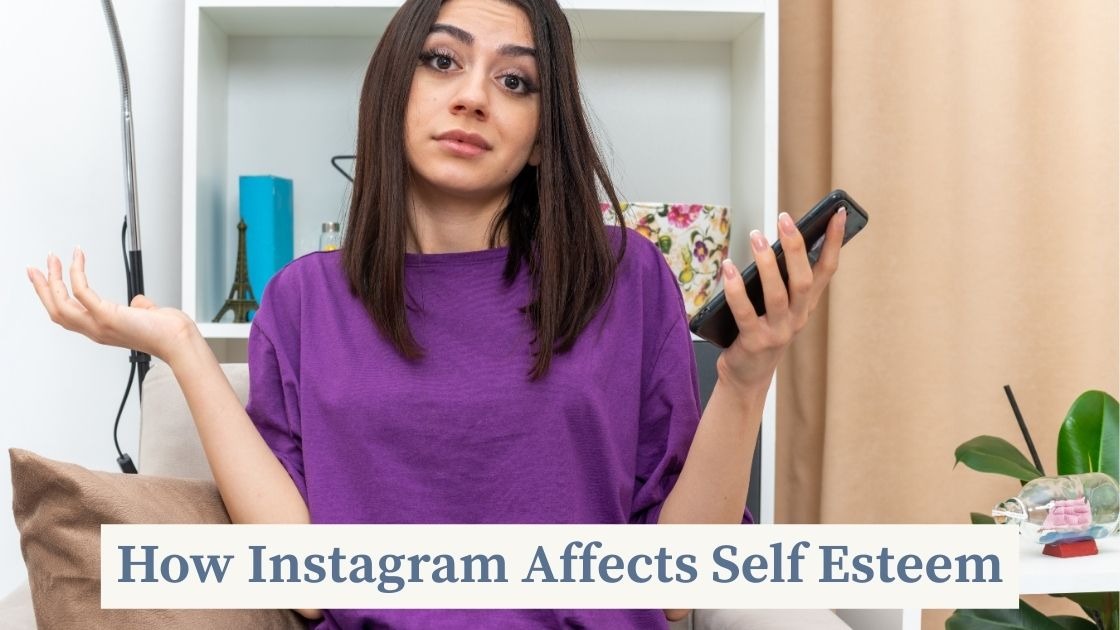
Understanding how Instagram affects self esteem is no longer just a casual conversation it has become a serious mental health concern backed by growing research. Millions of people scroll through perfectly curated feeds every day, often without realizing the emotional toll it quietly takes on their confidence and self-worth.
Instagram has transformed the way we see ourselves and others. From flawless selfies to highlight reels of dream vacations and ideal lifestyles, the platform creates a constant cycle of social media comparison that can leave users feeling inadequate. Studies continue to reveal a strong connection between Instagram and mental health, particularly among teenagers and young adults who are most vulnerable to these pressures.
The impact goes beyond just feeling a little down after scrolling. Experts have linked heavy Instagram use to issues like negative body image, increased anxiety, feelings of loneliness, and a distorted sense of reality. The filters, editing tools, and culture of seeking validation through likes and comments have created an environment where digital wellbeing often takes a back seat.
But here is the good news awareness is the first step toward change. In this article, we will take a deep dive into how Instagram affects self esteem from both a psychological and scientific perspective. You will learn what licensed therapists and mental health professionals actually recommend, discover practical strategies to protect your social media self esteem, and find out how to build a healthier relationship with the platform. Whether you are a parent, a young adult, or simply a concerned user, this guide is designed to give you real, actionable answers grounded in expert knowledge. Let’s get started.
Understanding How Instagram Affects Self Esteem in Today’s Digital Age
Social media has become a central part of modern life, and Instagram sits at the heart of this digital revolution. To truly understand how Instagram affects self esteem, we first need to recognize what makes this platform uniquely influential. Unlike text based platforms, Instagram is built entirely around visuals photos, reels, and stories that emphasize appearance, lifestyle, and social status. This visual nature creates an environment where users constantly measure their own lives against the polished content they see on their screens.
Research from the Royal Society for Public Health ranked Instagram as the most harmful social media platform for young people’s mental health. The reason is simple: it fuels unrealistic expectations and a never ending cycle of comparison that chips away at confidence over time.
The Psychology Behind Instagram and Self Worth
The relationship between how Instagram affects self esteem is deeply rooted in psychological principles. Social comparison theory, introduced by psychologist Leon Festinger, explains that humans naturally evaluate themselves by comparing to others. Instagram amplifies this tendency by providing a constant stream of idealized images that rarely reflect reality.
Every time a user scrolls past a flawless photo or a seemingly perfect life update, their brain unconsciously begins comparing. This process triggers feelings of inadequacy, jealousy, and low self worth, especially when users fail to recognize that most content is heavily edited and carefully staged.
Who Is Most Affected
While Instagram impacts users of all ages, research shows that teenagers and young adults are the most vulnerable. Their identities are still forming, making them particularly sensitive to external validation. However, adults are not immune either. Anyone who spends significant time on the platform can experience shifts in how they perceive themselves.
Key Ways How Instagram Affects Self Esteem
Learning how Instagram affects self esteem requires looking at the specific mechanisms through which the platform influences mental health. Several key factors work together to create a potentially harmful experience for users.
The Comparison Trap
The most significant way how Instagram affects self esteem is through constant social media comparison. Users see curated versions of other people’s lives and begin to believe their own lives are not good enough. This comparison trap leads to feelings of failure and dissatisfaction, even when a person’s real life circumstances are perfectly healthy and normal.
Body Image and Appearance Pressure
Instagram places enormous emphasis on physical appearance. Filters, editing apps, and beauty trends create unrealistic beauty standards that affect both men and women. Studies published in the journal Body Image have found a direct correlation between Instagram use and body dissatisfaction, making this one of the most concerning aspects of how Instagram affects self esteem.
Validation Through Likes and Comments
The platform’s design encourages users to seek approval through likes, comments, and follower counts. When engagement is low, users may internalize this as personal rejection. This dependency on digital validation becomes a dangerous cycle where self esteem rises and falls based on numbers on a screen rather than real life achievements or relationships.
The Science Behind How Instagram Affects Self Esteem
Multiple studies have confirmed what many users feel intuitively. A 2021 internal study by Meta (Instagram’s parent company) revealed that the platform worsens body image issues for one in three teenage girls. Additionally, research from the University of Pennsylvania found that limiting social media use to 30 minutes per day significantly reduced loneliness and depression.
These findings are critical because they move the conversation about how Instagram affects self esteem from opinion to evidence based understanding. Mental health professionals now treat social media’s impact as a legitimate clinical concern.
Common Signs That Instagram Is Hurting Your Self Esteem
Spotting these warning signs early on can truly help you take back control. Here are five indicators that Instagram may be negatively affecting your confidence:
- You feel anxious or sad immediately after scrolling through your feed
- You constantly compare your body, career, or lifestyle to influencers and peers
- You feel pressure to post only perfect content and delete posts with low engagement
- Your mood and confidence depend heavily on how many likes your posts receive
- You spend more time curating your online image than enjoying real life experiences
What Mental Health Experts Recommend
Understanding how Instagram affects self esteem is only half the battle. Taking action based on expert guidance is what truly makes a difference. Licensed therapists and psychologists have shared several practical strategies that can help users build resilience.
Set Intentional Boundaries
Experts recommend setting daily time limits for Instagram use. Most smartphones now offer built in screen time tools that can help you monitor and control your scrolling habits. Even reducing usage by 15 to 20 minutes a day can produce noticeable improvements in mood and self perception.
Curate Your Feed Mindfully
One of the most effective strategies for managing how Instagram affects self esteem is being intentional about who you follow. Unfollow or mute accounts that trigger negative feelings and replace them with creators who promote authenticity, mental wellness, and positive body image.
Practice Digital Detoxes
Taking regular breaks from Instagram allows your brain to reset. Mental health professionals suggest scheduling screen free hours each day or dedicating entire weekends to offline activities. These breaks help you reconnect with your real identity outside the digital world.
Top Expert Recommended Practices for Healthier Instagram Use
- Remind yourself that most content is edited and does not reflect real life
- Engage with content that educates, inspires, or genuinely makes you happy
- Avoid using Instagram as the first and last activity of your day
- Talk openly with friends or a therapist about feelings triggered by social media
- Focus on creating content for self expression rather than seeking external approval
Build Self Esteem Outside the App
Ultimately, the best defense against how Instagram affects self esteem is building a strong foundation of self worth that exists independently of any platform. Experts encourage activities like journaling, exercise, spending time in nature, and nurturing real world relationships. When your confidence is rooted in genuine experiences, the influence of social media loses much of its power.
Understanding how Instagram affects self esteem empowers you to take back control of your mental health and digital habits.
Conclusion
The question of how Instagram affects self esteem is one that deserves serious attention in today’s hyperconnected world. As we have explored throughout this article, the platform’s visual nature, culture of comparison, and validation driven features can take a real toll on mental health, particularly for teenagers and young adults who are most susceptible to its influence.
From understanding the psychology of social media comparison to recognizing the warning signs of declining self worth, awareness remains the most powerful tool available. The insights shared by mental health experts make it clear that the issue is not about abandoning Instagram entirely but rather about learning to use it in a way that protects your emotional wellbeing and supports a healthy self image.
Setting intentional screen time limits, curating your feed with purpose, and investing in offline confidence building activities are all practical steps that can make a meaningful difference. When users take control of their digital habits, the relationship between Instagram and mental health shifts from harmful to manageable.
It is also important to remember that social media is only one piece of the puzzle. True self esteem comes from within, built through real experiences, genuine relationships, and consistent self compassion. No number of likes or followers can replace that foundation.
If you or someone you know is struggling with how Instagram affects self esteem, do not hesitate to reach out to a licensed therapist or counselor. Professional support combined with mindful digital practices can help restore confidence, improve body image, and create a healthier balance between online and offline life. Your mental wellness always matters more than any feed.