Autonomous farming robot technology is transforming how we grow food and manage agricultural operations worldwide. As the global population continues to rise, traditional farming methods struggle to meet increasing demands while preserving natural resources. This is where smart farming technology steps in, offering innovative solutions that combine efficiency with environmental responsibility.
In this comprehensive guide, we will explore how robotic systems are reshaping sustainable agriculture practices and why they represent the future of food production. From precision agriculture techniques to AI-powered crop management, these advanced machines are helping farmers reduce waste, minimize chemical usage, and maximize yields. Whether you’re a seasoned agriculturalist or simply curious about modern farming innovations, this article will provide valuable insights into how automation is creating a greener, more productive agricultural landscape.
What Is an Autonomous Farming Robot?
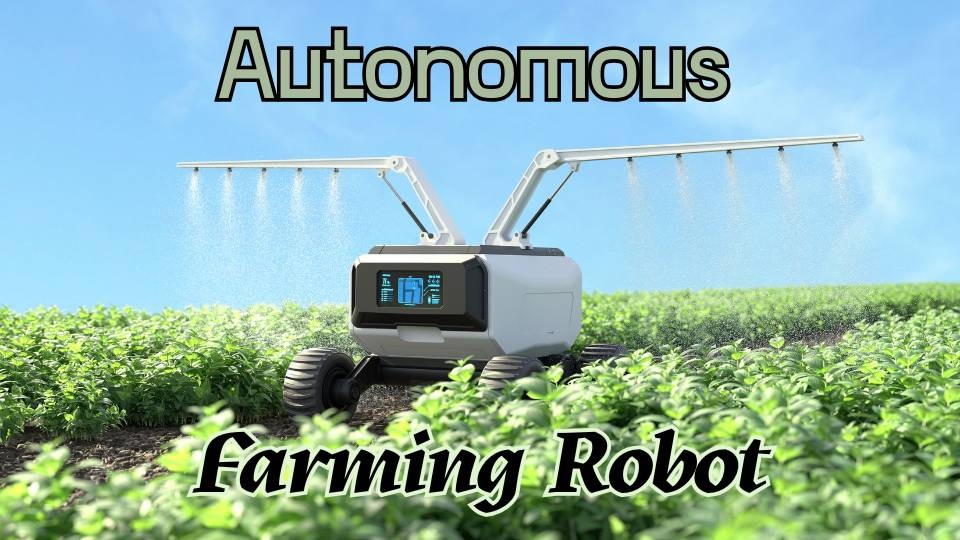
An autonomous farming robot is a self-operating machine designed to perform agricultural tasks without direct human control. These intelligent systems use sensors, cameras, GPS technology, and artificial intelligence to navigate fields and execute farming operations independently.
Unlike traditional farm equipment that requires constant human supervision, these robots can work around the clock. They analyze soil conditions, monitor crop health, and make real-time decisions to optimize farming outcomes.
Related Article: Autonomous Systems: Shaping the Future of Technology and Society
Brief History of Agricultural Automation
The journey toward farm automation began decades ago with simple mechanized tractors. However, the real revolution started in the early 2000s when GPS guidance systems became affordable for farmers.
Today, the autonomous farming robot has evolved into a sophisticated tool capable of performing complex tasks. From robotic harvesting to precision spraying, these machines represent the culmination of years of technological advancement in the agricultural sector.
Why Sustainable Agriculture Needs Robotic Systems
Growing Global Food Demands
The world population is expected to reach 10 billion by 2050. Meeting this demand requires smarter, more efficient farming practices. Agricultural robotics offers a practical solution by increasing productivity while reducing environmental impact.
Environmental Benefits of Smart Farming
Precision agriculture technologies allow farmers to apply resources exactly where needed. This targeted approach delivers significant environmental advantages.
- Reduced chemical usage through spot spraying techniques
- Lower water consumption with intelligent irrigation systems
- Decreased soil compaction from lighter robotic equipment
- Minimized carbon emissions through optimized field operations
Key Benefits of Using an Autonomous Farming Robot
Enhanced Efficiency and Productivity
An autonomous farming robot can operate 24 hours a day without breaks or fatigue. This continuous operation dramatically increases farm productivity. Smart sensors enable these machines to work in various weather conditions and during nighttime hours.
Cost Savings Over Time
While initial investment costs may seem high, the long term savings are substantial. Farmers experience reduced labor costs, lower input expenses, and decreased crop losses through early problem detection.
Improved Crop Quality Through Precision
Machine learning algorithms allow robots to identify plant diseases, pest infestations, and nutrient deficiencies early. This crop monitoring capability ensures timely interventions that protect yield quality and quantity.
Types of Robotic Systems in Modern Agriculture
Farmers today have access to various autonomous farming robot solutions designed for specific tasks.
- Weeding robots that eliminate unwanted plants without herbicides
- Harvesting robots capable of picking fruits and vegetables
- Planting robots that ensure optimal seed placement and spacing
- Monitoring drones that survey large fields quickly
Each system addresses particular farming challenges while contributing to overall sustainable farming goals.
Challenges Facing Agricultural Robotics
High Initial Investment
The upfront cost of implementing an autonomous farming robot system remains a barrier for many small scale farmers. Equipment prices, infrastructure requirements, and training expenses add up quickly.
Technical Limitations
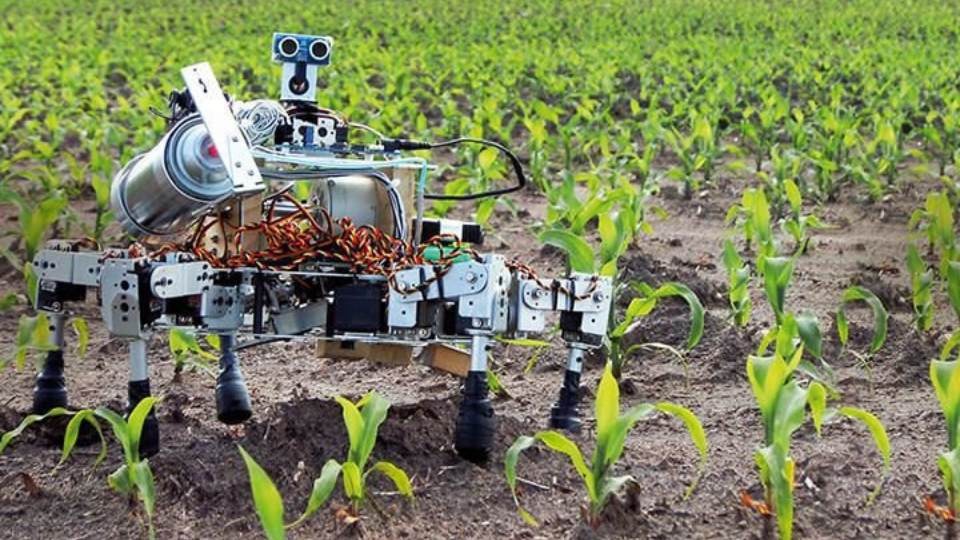
Current technology still faces challenges with certain crops and terrain types. Delicate produce handling and uneven ground navigation require ongoing development and refinement.
Data Security Concerns
AI powered systems collect vast amounts of farm data. Protecting this information from cyber threats and ensuring farmer privacy remains an important consideration for the industry.
Real World Examples of Success
Several companies are leading the agricultural automation revolution with impressive results.
John Deere has developed fully autonomous tractors that can plow fields without operators. FarmWise creates weeding robots that have reduced herbicide use by up to 90 percent on partner farms. Harvest CROO is perfecting strawberry picking robots that work faster than human laborers.
These success stories demonstrate that autonomous farming robot technology is not just theoretical. It delivers measurable benefits to farmers worldwide who embrace smart agriculture solutions.
The Road Ahead for Farm Robotics
The future looks promising as technology continues advancing rapidly. Improved computer vision, better battery life, and more affordable components will make these systems accessible to farms of all sizes. As adoption grows, the dream of truly sustainable agriculture becomes increasingly achievable through robotic innovation.
Conclusion
The autonomous farming robot represents a transformative shift in how we approach food production. As we have explored, these intelligent machines offer remarkable benefits including increased efficiency, reduced environmental impact, and improved crop quality through precision agriculture techniques.
While challenges like high costs and technical limitations exist, the advantages far outweigh the obstacles. The continued development of agricultural automation will make these technologies more accessible to farmers everywhere.
Embracing autonomous farming robot systems is no longer optional for those seeking long term success. It is a necessary step toward building a sustainable agriculture future that feeds our growing world responsibly.