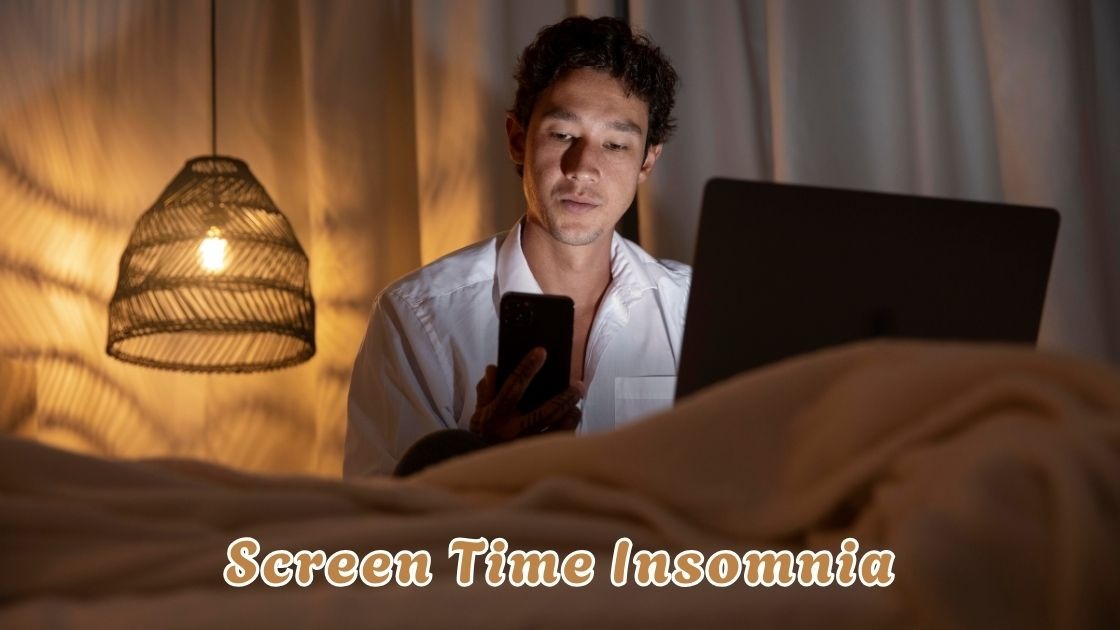
Screen time insomnia has become one of the most common sleep disorders affecting millions of people who scroll through devices before bed. You probably know the feeling lying awake at 2 AM, mind racing, unable to drift off despite feeling exhausted. The blue light from your phone, tablet, or laptop does more than just strain your eyes. It fundamentally disrupts your body’s natural sleep-wake cycle in ways researchers are only now fully understanding.
This article explores the scientific connection between digital device usage and poor sleep quality. You will learn how artificial light exposure suppresses melatonin production, why evening screen habits create chronic sleeplessness, and what evidence-based strategies sleep specialists actually recommend. Whether you struggle with falling asleep or staying asleep, understanding this science gives you practical tools to finally reclaim restful nights.
Understanding the Concept of Screen Time Insomnia
The relationship between digital devices and sleep disruption runs deeper than most people realize. Screen time insomnia occurs when exposure to electronic screens before bedtime interferes with your ability to fall asleep or maintain quality rest throughout the night. This modern sleep disorder affects approximately 90 percent of adults who use devices within an hour of bedtime.
Your brain interprets the artificial glow from screens as daylight, sending signals that you should remain alert and awake. This biological confusion creates a cascade of hormonal changes that make restful sleep increasingly difficult to achieve. Understanding this mechanism helps explain why simply putting your phone down five minutes before bed rarely solves the problem.
How Blue Light Disrupts Your Natural Sleep Cycle
Electronic devices emit blue wavelength light that penetrates directly to photoreceptors in your eyes. These specialized cells communicate with your brain’s master clock, located in the hypothalamus, which regulates your circadian rhythm. When blue light hits these receptors during evening hours, your brain receives mixed signals about the actual time of day.
The pineal gland responds to this confusion by delaying or reducing melatonin secretion. Melatonin serves as your body’s natural sleep hormone, typically rising in the evening to prepare you for rest. Research published in sleep medicine journals shows that two hours of screen exposure can suppress melatonin production by up to 22 percent, significantly impacting sleep onset.
The Role of Melatonin Suppression in Screen Time Insomnia
Screen time insomnia fundamentally stems from this melatonin disruption. Without adequate levels of this hormone, your body struggles to transition from wakefulness to sleep. The effects extend beyond simply feeling tired. Chronic melatonin suppression has been linked to mood disturbances, weakened immune function, and metabolic changes.
Sleep specialists note that the timing of screen exposure matters tremendously. Using devices during the two hours before your intended bedtime creates the most significant hormonal disruption. This window represents when your melatonin levels should naturally begin rising to prepare your body for restorative sleep.
Why Evening Screen Habits Create Lasting Sleep Issues
Beyond light exposure, screens engage your brain in ways that promote alertness rather than relaxation. Social media scrolling, email checking, and video streaming all stimulate cognitive activity when your mind should be winding down. This mental engagement compounds the biological effects of blue light, creating a double barrier to healthy sleep.
The Psychological Stimulation Factor
Content consumed on devices often triggers emotional responses that work against sleep. Stressful news, exciting entertainment, or anxiety inducing work emails activate your sympathetic nervous system. This fight or flight response releases cortisol and adrenaline, hormones that directly oppose the relaxation necessary for sleep.
Screen time insomnia frequently involves this psychological component alongside the physical effects. Your brain becomes conditioned to associate bedtime with stimulation rather than rest, creating habitual patterns that prove difficult to break without intentional intervention.
What Sleep Experts Recommend for Better Rest
Leading sleep researchers and clinicians have developed evidence based strategies for addressing screen related sleep problems. These recommendations target both the biological and behavioral aspects of digital insomnia.
Establishing an Effective Digital Curfew
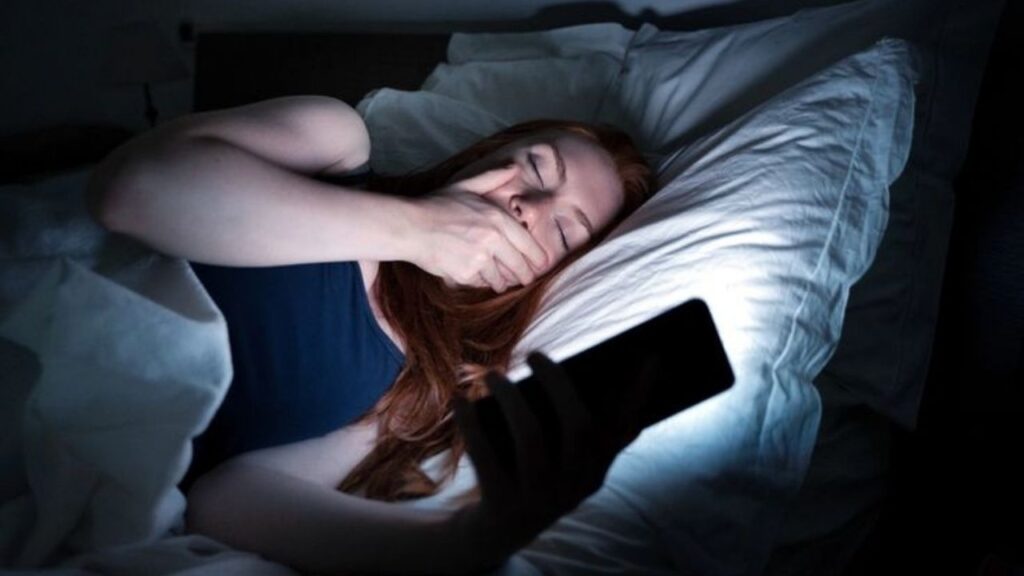
Sleep specialists consistently recommend stopping screen use 60 to 90 minutes before bedtime. This buffer allows melatonin levels to rise naturally and gives your mind time to transition toward rest. Creating a consistent digital curfew trains your brain to expect sleep at predictable times.
Consider these expert backed strategies for reducing screen time insomnia:
- Set automatic device reminders one hour before your target bedtime
- Charge phones outside the bedroom to remove temptation
- Replace evening scrolling with reading physical books
- Use dim, warm lighting during your wind down period
- Practice relaxation techniques like deep breathing or gentle stretching
Using Technology Settings to Your Advantage
Modern devices include features designed to reduce sleep disruption. Night mode settings filter blue light emissions, shifting screen colors toward warmer tones. While these features help reduce screen time insomnia symptoms, they do not eliminate the cognitive stimulation problem entirely.
Additional protective measures include:
- Enable automatic night shift modes starting at sunset
- Reduce screen brightness to minimum comfortable levels
- Choose dark mode interfaces when available
- Limit notification sounds during evening hours
- Use grayscale display settings to make screens less engaging
Creating a Sleep Supportive Bedroom Environment
Addressing screen time insomnia requires examining your overall sleep environment. Bedrooms should remain device free zones whenever possible. This physical separation helps your brain associate the bedroom exclusively with sleep rather than digital activity.
Sleep hygiene experts emphasize keeping televisions, tablets, and smartphones out of reach during nighttime hours. Investing in a traditional alarm clock eliminates the common excuse of needing your phone nearby. These environmental changes support the behavioral modifications necessary for overcoming digital related sleep disorders and achieving consistent, restorative rest.
Conclusion
Screen time insomnia represents a significant but solvable challenge in our device dependent world. The science is clear: blue light exposure, melatonin suppression, and cognitive stimulation from evening device use directly undermine your sleep quality. However, implementing digital curfews, optimizing device settings, and creating screen free bedroom environments can restore healthy sleep patterns.
Taking control of your nighttime habits requires commitment but delivers substantial rewards. Better rest improves mood, cognitive function, and overall health. Start with small changes tonight. Your body’s natural sleep cycle wants to work properly. By understanding and addressing screen time insomnia, you give yourself the gift of truly restorative sleep every night.