The thermoacoustic Stirling engine is a fascinating innovation that blends sound and heat to create clean, renewable energy. By harnessing acoustic vibrations and temperature differences, this technology transforms ordinary sound waves into mechanical power without moving parts or fuel combustion. Imagine generating electricity using the same physics that carry music through the air.
In this article, we’ll explore how this remarkable system operates, its key components, and its role in advancing green energy technologies. You’ll also discover how researchers are improving its energy conversion efficiency to make it a practical solution for future sustainable power generation. Whether you’re an engineer, a student, or an eco-enthusiast, this journey into sound-powered energy will show how innovation and sustainability can harmonize beautifully.
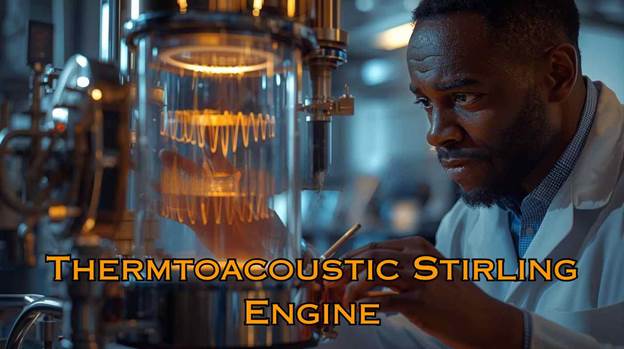
Understanding the Thermoacoustic Stirling Engine
The thermoacoustic Stirling engine is a revolutionary system that converts heat energy into sound waves and then transforms those waves into mechanical or electrical power. It operates without traditional moving components like pistons or crankshafts, making it a low-maintenance and environmentally friendly option for energy conversion. This technology merges the principles of thermoacoustics and Stirling cycle processes, creating a unique method to generate power efficiently from temperature gradients.
The Science Behind the Engine
At its core, this engine uses temperature differences to generate sound. When heat is applied to one end of a resonator tube, it causes gas molecules inside to vibrate. These vibrations create standing sound waves that carry energy. The system then converts this acoustic energy into useful mechanical work or electricity through linear alternators or similar devices.
Key Components
A typical thermoacoustic Stirling engine includes:
• A resonator that contains the working gas (usually helium or nitrogen)
• A heat exchanger that supplies and removes heat
• A stack or regenerator, which facilitates thermal interaction between gas and solid surfaces
• An acoustic driver or piston-free converter that transforms sound energy into power
Each part plays a vital role in ensuring smooth energy transfer, making the system efficient and durable.
Historical Background and Development
Early Research and Evolution
The concept of converting sound into energy traces back to the 19th century when Lord Rayleigh studied the relationship between sound waves and heat flow. However, the first practical thermoacoustic engines emerged in the late 20th century with advancements in cryogenic cooling and acoustic resonance research.
In the 1980s, scientists at Los Alamos National Laboratory developed efficient prototypes that used sound waves to pump heat, marking a major milestone. Since then, continuous improvements in thermoacoustic refrigeration and heat recovery systems have expanded the scope of this technology beyond laboratories to industrial and renewable energy applications.
Importance and Working Principles
How It Works
The thermoacoustic Stirling engine works on a closed-loop system. Heat applied at one end increases the pressure of the gas, while cooling at the other end reduces it. This cycle of compression and expansion produces sound waves that sustain themselves in a resonator.
Thermodynamic Efficiency
Although the system resembles a Stirling engine in principle, it replaces mechanical movement with acoustic resonance, reducing friction and wear. The energy conversion process follows the Stirling cycle but is executed through oscillating pressure waves, resulting in cleaner and quieter operation.
Benefits and Advantages
Environmental and Practical Benefits
This engine offers several advantages over conventional systems:
• Eco-friendly operation – It produces zero emissions since no fuel combustion is required.
• Low maintenance – Absence of moving parts reduces mechanical wear.
• High reliability – Can operate for years without significant degradation.
• Silent performance – Generates minimal noise pollution compared to mechanical engines.
• Versatility – Works with various heat sources such as solar, geothermal, and waste heat.
Energy Sustainability
By utilizing waste heat recovery, the system can generate clean energy from industrial processes, vehicle exhausts, or even sunlight. This supports sustainable energy systems and contributes to carbon footprint reduction globally.
Challenges and Limitations
Technical Hurdles
Despite its promise, several challenges limit its widespread adoption:
• Efficiency constraints – Conversion rates are lower compared to traditional engines.
• Complex design optimization – Requires precise control over acoustic and thermal parameters.
• Cost concerns – Advanced materials like high-grade ceramics and specialized resonators increase production expenses.
• Scaling issues – Difficult to scale for high-power applications without losing efficiency.
Research and Development Needs
Ongoing research focuses on improving acoustic resonance control, developing low-cost materials, and enhancing energy conversion efficiency. Innovations in nanotechnology and 3D printing are paving the way for more practical and affordable designs.
Real-World Applications
Industrial and Renewable Uses
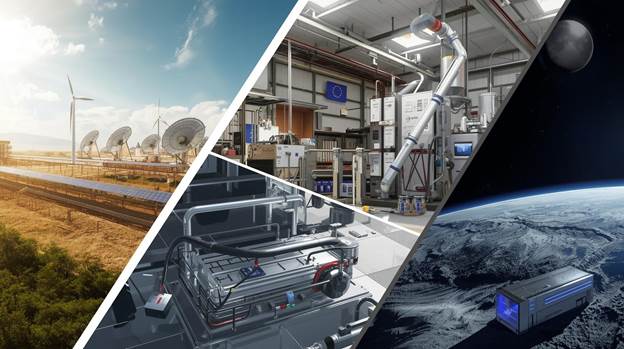
Thermoacoustic Stirling engines are finding practical applications in several fields:
1- Solar power generation – Converts concentrated solar heat into electricity.
2- Waste heat recovery systems – Utilizes residual industrial heat to produce power.
3- Cryogenic refrigeration – Provides ultra-low temperatures without harmful refrigerants.
4- Space missions – Offers reliable power generation in environments where mechanical parts may fail.
Example: Solar-Thermoacoustic System
One successful example is the solar-driven thermoacoustic engine, which uses parabolic solar collectors to provide heat input. The generated sound waves are then converted into electrical power with high consistency, making it a model for sustainable off-grid energy production.
Future Prospects
The future of this technology looks bright as engineers continue to enhance its performance. With advancements in heat-to-sound conversion and acoustic design, the thermoacoustic Stirling engine could soon become a vital component of global renewable energy solutions.
Research collaborations between universities and industries are exploring compact, modular units suitable for household and industrial use. As material science progresses, we can expect lighter, more efficient systems capable of powering remote communities and reducing dependence on fossil fuels.
Ultimately, this technology represents a harmonious blend of physics and sustainability proving that even sound can be a powerful force for a cleaner and greener planet.
Conclusion
The thermoacoustic Stirling engine demonstrates how innovation and sustainability can work together to create cleaner energy solutions. By transforming heat and sound into usable power, it offers a glimpse into a future less dependent on fossil fuels. With ongoing research enhancing its efficiency and scalability, this technology could play a key role in advancing renewable energy systems worldwide. To better understand its potential impact and evolving designs, continue exploring new developments in thermoacoustic energy conversion and stay updated on how sound may shape the future of sustainable power.