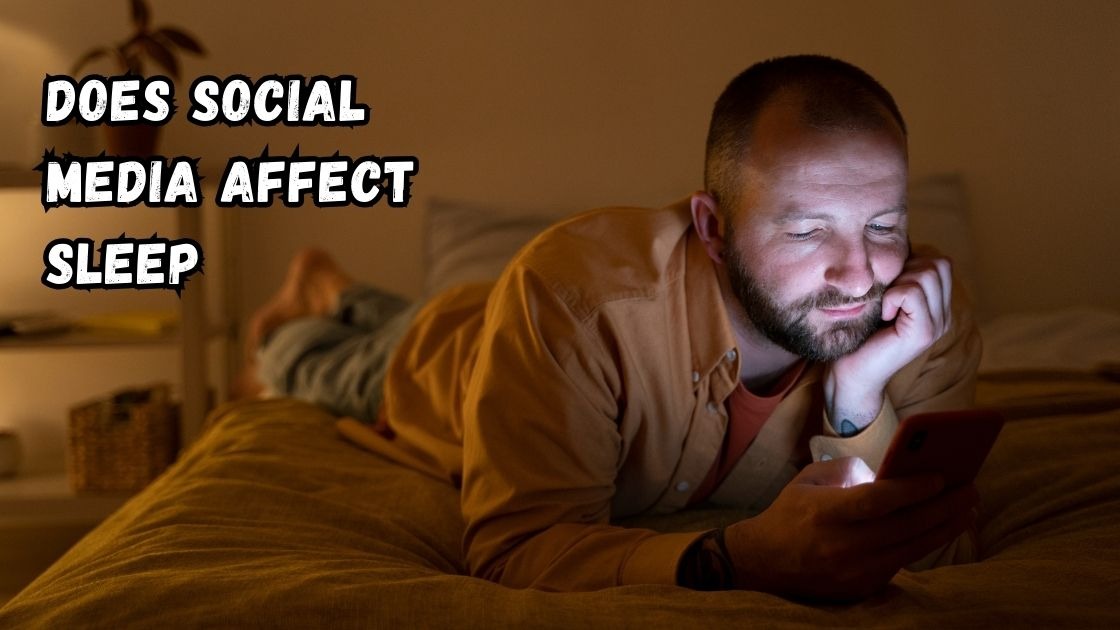
Does social media affect sleep as dramatically as headlines suggest, or is the reality more nuanced? With billions of people checking their phones nightly, this question deserves a closer look at what research actually tells us.
In this article, we’ll cut through the noise and examine peer-reviewed studies on screen time and sleep quality. You’ll discover how blue light exposure, late-night scrolling habits, and digital stimulation influence your sleep patterns and circadian rhythm. We’ll explore the real impact on both teenagers and adults, addressing sleep deprivation concerns without falling into fear-based assumptions. By the end, you’ll have evidence-based insights to make informed decisions about your nighttime phone use and overall sleep hygiene.
Understanding the Connection Between Social Media and Sleep
Before diving into research findings, it’s essential to understand why scientists started asking does social media affect sleep in the first place. The widespread adoption of smartphones created an unprecedented situation where billions of people carry glowing screens into their bedrooms every night.
Sleep researchers began noticing troubling patterns in the early 2010s. As social media platforms grew, so did reports of sleep problems among regular users. This correlation prompted serious scientific inquiry into the mechanisms behind potential sleep disruption.
How Blue Light Impacts Your Natural Sleep Cycle
One primary concern when examining does social media affect sleep involves blue light emission from screens. Your smartphone, tablet, and laptop emit short wavelength blue light that directly influences melatonin production in your brain.
Melatonin is the hormone responsible for regulating your circadian rhythm and signaling when it’s time to sleep. Research from Harvard Medical School found that blue light suppresses melatonin twice as long as other light wavelengths. When you scroll through social media before bed, you’re essentially telling your brain to stay alert when it should be winding down.
The Psychological Stimulation Factor
Beyond blue light, does social media affect sleep through mental and emotional stimulation? The answer appears to be yes. Social platforms are specifically designed to capture attention and trigger emotional responses.
Seeing an upsetting news story, an exciting post from friends, or engaging in online discussions activates your nervous system. This heightened state of arousal makes transitioning into restful sleep considerably more difficult. Your mind continues processing information long after you’ve put your phone down.
What Research Actually Reveals
Key Findings from Major Studies
When researchers investigate does social media affect sleep, they consistently find meaningful associations. A comprehensive study published in the Journal of Youth and Adolescence tracked over 12,000 teenagers and found that those using social media heavily reported significantly worse sleep quality.
Another landmark study from the University of Pittsburgh examined young adults and discovered that frequent social media users were three times more likely to experience sleep disturbances. These findings suggest the relationship between social platforms and sleep problems isn’t merely coincidental.
The Dose Response Relationship
Interestingly, research exploring does social media affect sleep reveals that duration matters significantly. Scientists have identified what they call a dose response relationship, meaning more usage correlates with greater sleep disruption.
- Users spending under 30 minutes daily showed minimal sleep impact
- Those using platforms for one to two hours reported moderate sleep difficulties
- Heavy users exceeding three hours experienced substantial sleep quality decline
- Nighttime usage showed stronger negative effects than daytime scrolling
- Passive scrolling appeared more harmful than active engagement
Who Is Most Vulnerable
Teenagers and Young Adults
When considering does social media affect sleep across different age groups, adolescents emerge as particularly susceptible. Their developing brains are more sensitive to circadian disruption, and social pressures make disconnecting especially challenging.
The fear of missing out drives many teenagers to check notifications throughout the night. This behavior fragments sleep architecture and reduces the restorative deep sleep phases essential for cognitive development and emotional regulation.
Individuals With Existing Sleep Issues
People already struggling with insomnia or other sleep disorders may experience amplified effects. For these individuals, understanding does social media affect sleep becomes crucial for managing their condition effectively.
Practical Strategies for Better Sleep
Creating Healthy Digital Boundaries
Knowing that social media does affect sleep patterns, what steps can you take? Implementing strategic boundaries helps protect your rest without requiring complete digital abstinence.
- Establish a device free period at least 60 minutes before bedtime
- Enable night mode or blue light filters on all devices
- Keep smartphones outside the bedroom during sleep hours
- Disable notifications that might trigger late night checking
- Replace evening scrolling with relaxing offline activities
Using Technology Wisely
Understanding does social media affect sleep empowers you to make informed choices. Many smartphones now include screen time tracking and bedtime reminder features. Using these tools helps maintain awareness of your habits and supports healthier patterns.
Consider designating specific times for social media engagement during daylight hours. This approach allows you to stay connected while protecting the sleep quality your body and mind require for optimal functioning.
Conclusion
The evidence clearly shows that social media does affect sleep through multiple pathways including blue light exposure, psychological stimulation, and disrupted bedtime routines. However, the impact varies based on usage duration, timing, and individual vulnerability.
Understanding does social media affect sleep empowers you to take control rather than live in fear. By implementing healthy digital boundaries, using screen time tools, and prioritizing sleep hygiene, you can enjoy online connectivity without sacrificing rest quality. The key isn’t complete avoidance but mindful engagement that respects your body’s natural circadian rhythm and sleep needs.